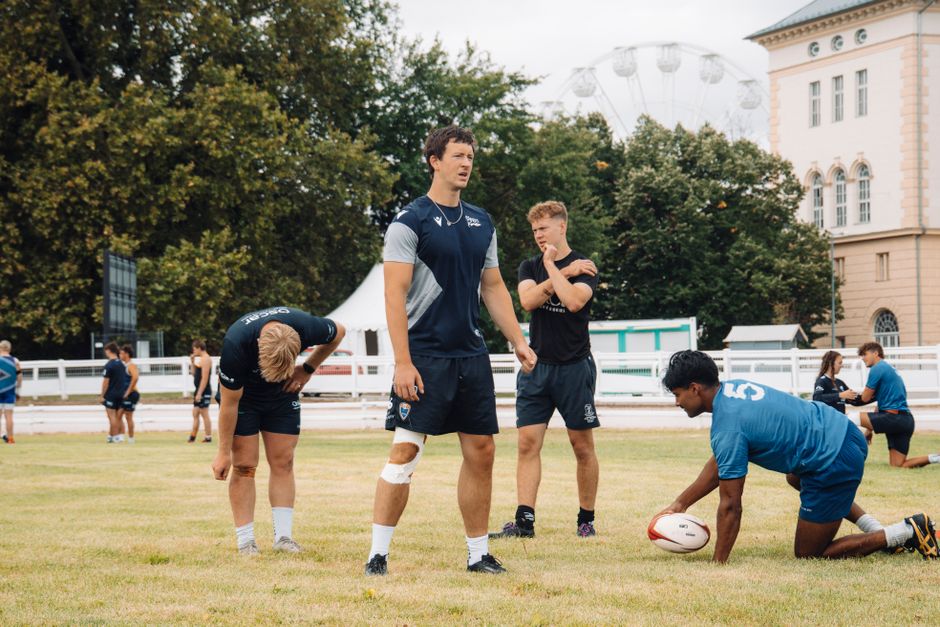
More than 340,000 Istanbulites are now registered in some form of organised amateur or semi-professional football competition, according to figures compiled by the Istanbul Provincial Directorate of Youth and Sports through the end of June 2026. That number is up roughly 18 percent from the same period two years ago. On paper, it reads like a fitness revolution. Walk the pitches of Bağcılar or Kartal on a Saturday morning, though, and the reality is more complicated than a registration certificate suggests.
The timing of this data matters. Turkish football's domestic season just wrapped, with Galatasaray clinching a third consecutive Süper Lig title in May, and the national conversation about grassroots sport has sharpened considerably. Istanbul Metropolitan Municipality launched its 'Sağlıklı İstanbul' initiative in January with a stated goal of raising active participation rates by 25 percent before the end of 2027. The amateur football numbers are being held up as early proof the programme is working. Critics say the gap between registration and actual weekly exercise tells a different story.
The Pitch Problem: Where People Actually Play
Istanbul has around 1,200 synthetic turf pitches across its 39 districts, according to the municipality's own 2025 infrastructure report. That sounds adequate until you run the numbers. Divide registered amateur players by available pitch hours during daylight on weekdays and each player gets roughly 40 minutes of scheduled access per week, before accounting for school programmes, professional club training, and the wildly uneven distribution of facilities across the city. Districts on the European side, particularly Beylikdüzü and Esenyurt, have seen facilities expand significantly since 2022. On the Anatolian side, Ümraniye's Alemdağ Caddesi corridor is home to a cluster of private halı saha operators who charge between 800 and 1,200 Turkish lira per hour, a price that effectively locks out a substantial portion of the working population in that district.
The Istanbul Football Federation's amateur league, which runs competitions across age groups from under-13 to over-40, registered 4,800 distinct teams for the 2025-26 season. That is the highest number since the federation began systematic record-keeping in 2009. The over-35 category grew fastest, up 31 percent year-on-year, which sports medicine practitioners at Marmara University's Faculty of Sport Sciences have flagged as a meaningful signal. Middle-aged men, long the demographic most likely to abandon sport entirely after their twenties, are coming back, often to Futsal variants played in smaller indoor venues like those clustered around Şişli and Mecidiyeköy.
What the Data Actually Measures, and What It Misses
Registration figures count intent, not effort. The Istanbul Provincial Directorate acknowledges that drop-out rates within a single season average around 22 percent, meaning roughly one in five people who sign up for a league team never complete their first month of matches. Women's participation, despite heavy promotion through the municipality's Kadın Spor programları, still accounts for only 9 percent of total amateur football registrations citywide. For comparison, UEFA's 2024 grassroots report put the European average for women's recreational football participation at 19 percent of total amateur registrations. Istanbul has ground to make up.
There is also the question of what football participation reveals about broader fitness culture beyond the sport itself. Gym membership across Istanbul stands at approximately 2.3 million active contracts as of Q1 2026, according to industry group Türkiye Fitness Sektörü Derneği. Cross-referencing that with football registration suggests a city where weekend sport and gym culture are largely separate worlds, not reinforcing ones, the Beşiktaş district's upmarket fitness centres on Barbaros Bulvarı cater to a demographic that rarely overlaps with the halı saha crowd in Gaziosmanpaşa.
The municipality's next move will be decisive. A second tranche of Sağlıklı İstanbul funding, reportedly 180 million lira, is expected to be allocated before September, with priority given to pitch construction in underserved Anatolian districts and subsidised league fees for players under 18 and over 50. Whether that money reaches the neighbourhoods that need it most, rather than reinforcing facilities in already well-served areas, will determine whether the participation surge in the spreadsheets eventually translates into a genuinely fitter city.