Istanbul's sporting infrastructure has undergone remarkable expansion over the past five years, with major venues across the city modernising facilities to meet international standards and accommodate growing fan demand. The transformation reflects both the city's ambitions as a global sports destination and the practical needs of its three major football clubs and diverse athletic community.
Vodafone Park in Beşiktaş remains the crown jewel, with its 41,903 capacity making it Turkey's largest stadium by some measures. The venue has invested substantially in hospitality facilities and digital infrastructure, including upgraded broadcast capabilities that now support 4K streaming for international matches. Meanwhile, across the Golden Horn, Galatasaray's Rams Park in Sariyer has similarly enhanced its premium seating and medical facilities, reflecting competition between Istanbul's storied clubs to attract elite players and international events.
Beyond football, Istanbul's infrastructure network extends across multiple disciplines. The Ataköy Sports Complex in the Bakırköy district operates as a regional hub, housing Olympic-standard swimming pools, basketball courts, and training grounds that serve both amateur clubs and professional athletes. Entry fees for public swimming sessions remain affordable at approximately 30 Turkish lira, though premium membership packages for serious competitors run to 250 lira monthly.
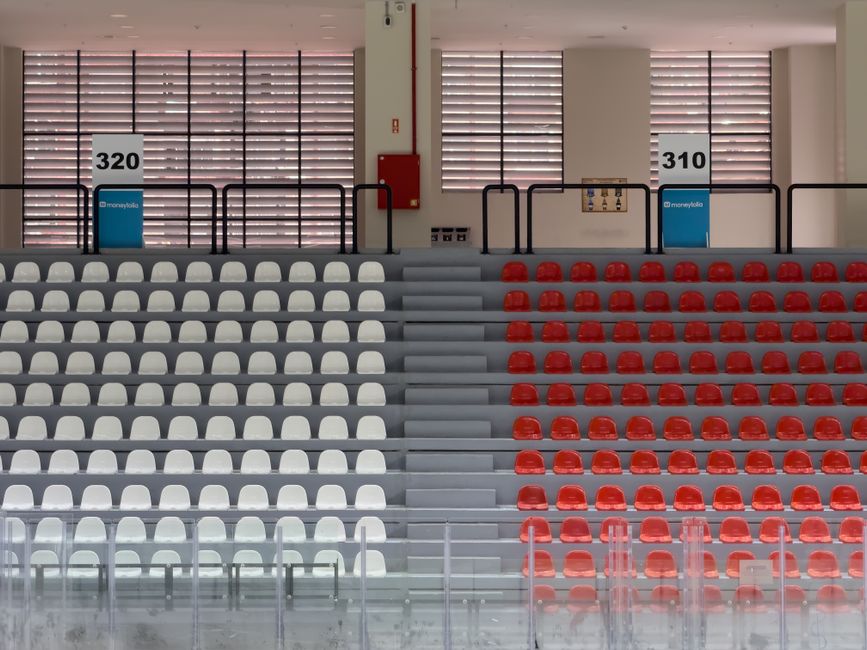
The newly renovated Sinan Erdem Sports Hall near the Bakırköy waterfront has become central to volleyball and basketball development, hosting both Fenerbahçe's women's and men's squads. Recent upgrades included state-of-the-art climate control systems and expanded seating to 16,000 capacity, positioning it for potential hosting of European Championship qualifiers.
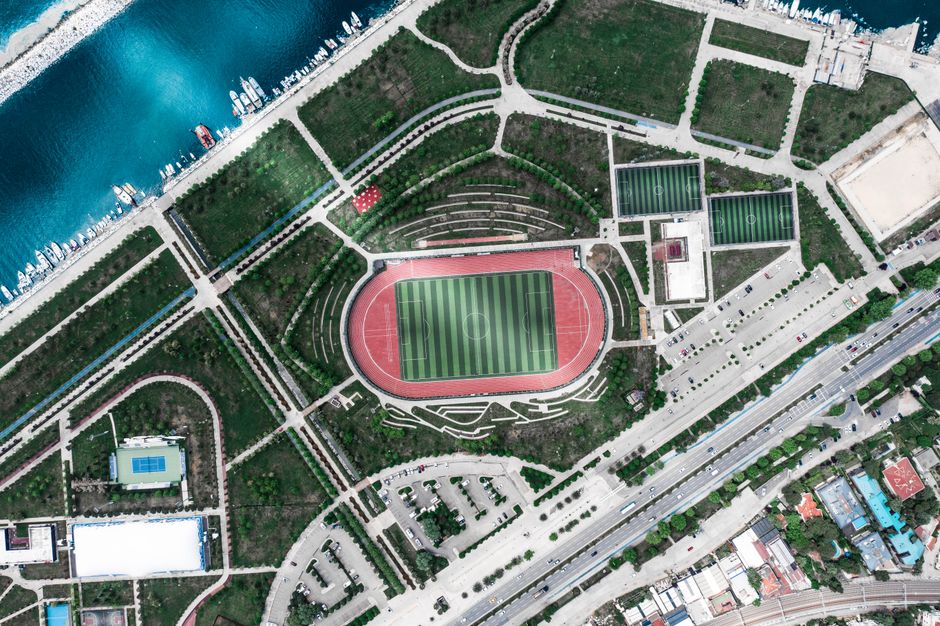
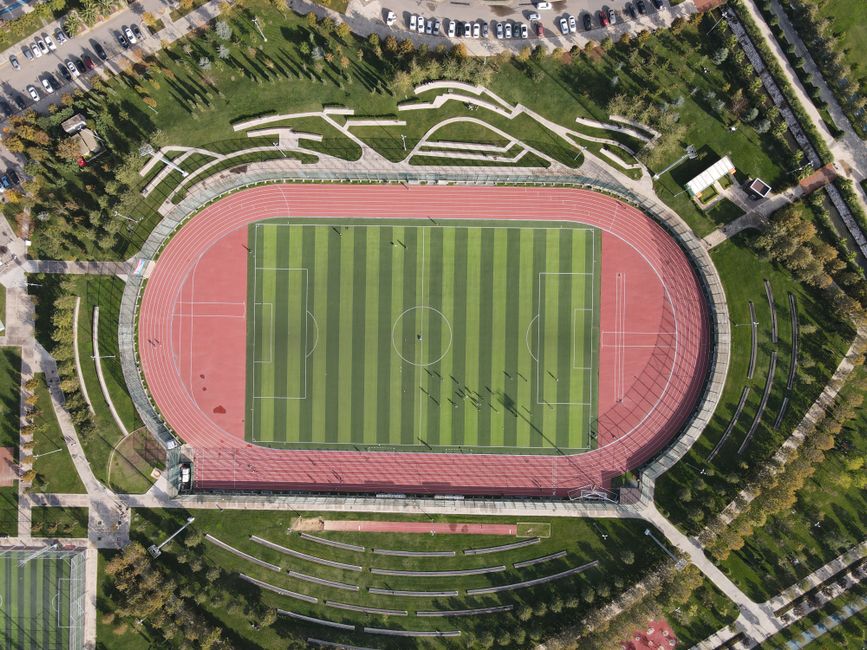
Investment in athletic infrastructure extends to grassroots facilities. The Sarıyer Municipality has expanded its network of public sports grounds, while the Istanbul Metropolitan Municipality's 2024-2026 sports development plan allocated 45 million lira specifically to facility upgrades across 12 districts. This includes renovation of running tracks in Fatih, new tennis courts in Beşiktaş, and improved changing facilities across municipal venues.
However, challenges remain. Capacity constraints at some facilities during peak training hours, and inconsistent maintenance standards at older municipal venues in outer districts like Pendik and Çekmeköy, reflect the uneven distribution of investment. Transport connectivity also remains critical—the metro extension toward Ataköy, completed in 2024, has improved accessibility to major facilities.
As Istanbul prepares for potential hosting of international events, from athletics championships to Olympic trials, these infrastructure investments represent both immediate practical improvements and long-term strategic positioning. The city's venue network, while improving, continues to balance world-class ambitions with equitable community access.
This article was compiled by AI from the sources linked above and screened before publishing. See our editorial standards.