Istanbul's Endurance Sports Infrastructure Takes Shape as Running, Cycling and Triathlon Boom
New facilities and upgraded routes across the city are transforming how athletes train for marathons, triathlons and long-distance cycling events.
New facilities and upgraded routes across the city are transforming how athletes train for marathons, triathlons and long-distance cycling events.
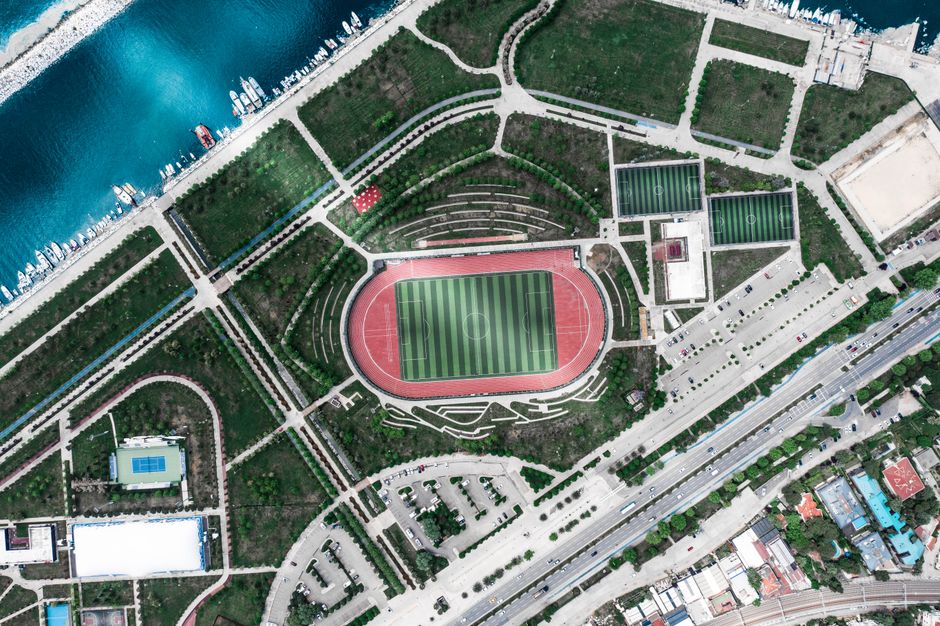
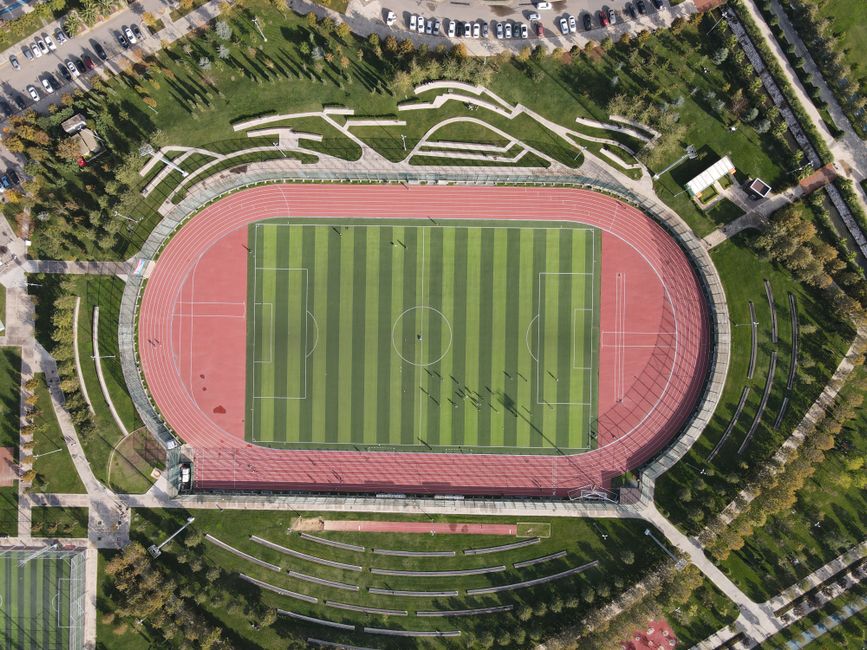
Istanbul's endurance sports scene is experiencing unprecedented growth, driven largely by substantial improvements to the city's training infrastructure over the past three years. From the waterfront paths of Ortaköy to the hills of Rumeli Hisar, runners, cyclists and triathletes now have access to world-class facilities that rival those in established European sporting capitals.
The Bosphorus Waterfront Route remains the jewel in the city's running crown. The 30-kilometre promenade, stretching from Anadolu Kavağı in the north to the Sea of Marmara in the south, has undergone significant safety and lighting upgrades. Night-time training sessions, once risky, have become routine for the city's 15,000+ registered marathon runners. The route accommodates roughly 8,000 daily users during peak season, with dedicated sections now separating foot traffic from cyclists.
Cycling infrastructure has similarly transformed. The newly completed Princes' Islands loop—accessible via ferry from Kabataş—offers 85 kilometres of car-free cycling terrain. Meanwhile, the Beyazıt-Fatih Protected Bike Route, completed in 2024, provides urban cyclists with a safer alternative to high-traffic roads. Local cycling clubs report a 40% increase in membership since infrastructure improvements began.
For serious triathletes, the landscape has shifted dramatically. The Göksu River Valley training grounds near Acibadem now host regular pool facilities, with water temperatures monitored year-round for open-water swimming preparation. Monthly membership costs range from 650 to 1,200 Turkish Lira, making structured training accessible to middle-class athletes. The Taksim Sports Complex added two Olympic-standard pools in 2025, increasing capacity considerably.
However, gaps remain. Eastern Anatolian-side facilities lag significantly behind the European shore's amenities. Üsküdar and Kadıköy residents face 45-minute commutes to reach premium training venues. Istanbul Metropolitan Municipality has pledged 200 million Turkish Lira for additional infrastructure across both continents by 2028, though budget allocation remains contentious in municipal discussions.
The Turkish Triathlon Federation, based in Beşiktaş, now oversees 12 sanctioned race venues across the metropolitan area. Last year's Istanbul Triathlon attracted 3,200 competitors—a 65% increase from 2023. These athletes benefit from increasingly professional support: sports medicine clinics, nutrition coaching, and specialist bike repair shops now cluster around major training hubs.
As the city positions itself for potential Olympic bids and international sporting events, endurance sports infrastructure investment signals Istanbul's broader ambitions. For local athletes, the improvements mean training no longer requires compromise.
This article was compiled by AI from the sources linked above and screened before publishing. See our editorial standards.
How does this story make you feel?
Spread the word
About this article
Published by The Daily Istanbul
Daily brief
Free, in your inbox before 7am. Weekdays.
More in Sport