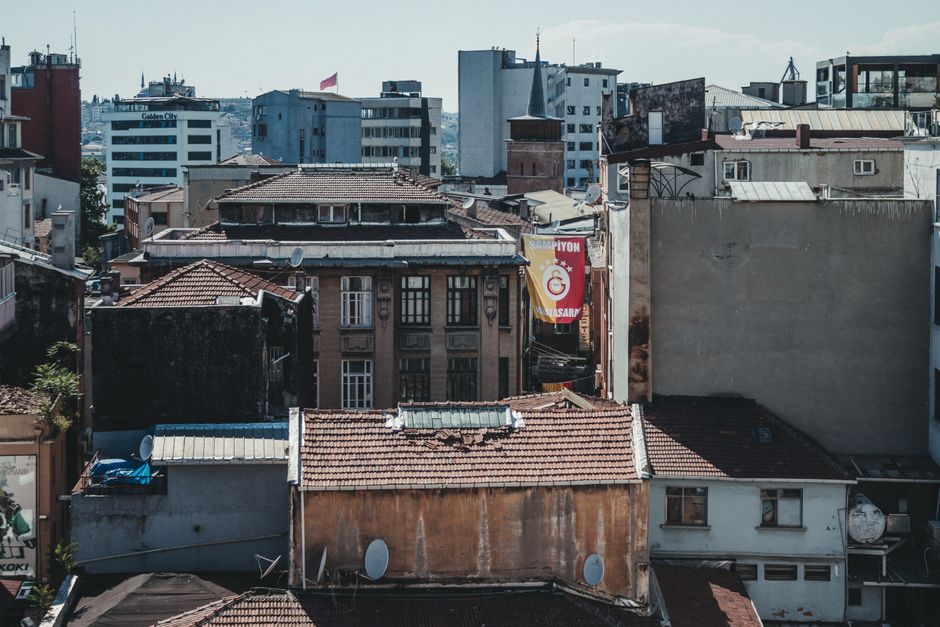
Walk through the narrow lanes of Balat on any weekday afternoon and you'll find them: clusters of teenagers shooting basketballs on makeshift courts, their shoes worn but their determination sharp. This is where Istanbul's grassroots sports revolution quietly unfolds, far from the glittering stadiums of the city's professional elite.
Over the past five years, community sports clubs across Istanbul's working neighbourhoods have grown from informal gathering spaces into structured development pathways. The Fatih Youth Sports Association, operating from a converted warehouse near the old city walls, now serves over 400 young athletes across football, volleyball and athletics—charging membership fees as low as 150 Turkish lira monthly to ensure accessibility.
"The infrastructure investment in top-tier academies has created a gap," explains Mehmet Kaya, coordinator at Beşiktaş Community Sports Club, which operates four neighbourhood venues across the district. "What we've learned is that talent doesn't emerge only from expensive training camps. It emerges from consistent, affordable access to coaching and facilities."
The numbers tell a compelling story. According to data from the Istanbul Sports Directorate, registered youth participants in grassroots programmes increased 34% between 2023 and 2025. Clubs like Üsküdar Spor Gençlik, operating since 2019 from a refurbished municipal building on Bağlarbaşı Caddesi, has developed three athletes now competing at regional level—all without corporate sponsorship, relying instead on municipal grants and parent contributions.
Funding remains precarious. Most grassroots clubs operate on annual budgets between 200,000 and 500,000 lira, stretching to cover court rentals, volunteer coach stipends and basic equipment. Yet this constraint has fostered innovation: shared facility models, peer-coaching networks, and strategic partnerships with schools have become hallmarks of Istanbul's grassroots approach.
The movement reflects a broader shift in Turkish sport philosophy. Rather than funnelling young talent exclusively into professional academies, community clubs nurture participation as both pathway and endpoint—recognising that sustainable athletic culture requires broad engagement, not narrow selection.
On the Galata Bridge promenade, in the shadow of Süleymaniye, on the courts hidden behind the shopping streets of Kadıköy: Istanbul's real sports story isn't written in headlines. It's written daily by teenagers, coaches and parents who've decided their neighbourhoods deserve better than relegation to the margins.
This article was compiled by AI from the sources linked above and screened before publishing. See our editorial standards.