Walk through the streets of Küçükçekmece on a Tuesday evening, and you'll find them: dozens of young faces gathered on dusty pitches, under flickering floodlights, chasing a ball with the kind of intensity that professional academies can only dream of buying. This is where Istanbul's real sporting revolution lives—not in the gleaming stadiums of Beşiktaş or Galatasaray, but in the unglamorous grassroots clubs quietly reshaping the city's athletic landscape.
Over the past five years, community-led sports organisations across Istanbul's outer districts have grown by nearly 40%, according to data from the Istanbul Metropolitan Municipality's Youth and Sports Department. What began as informal neighbourhood initiatives has evolved into a structured network of clubs offering training at fees between 300-800 Turkish Lira per month—a fraction of what private academies charge.
Fatih Akçay, who coordinates youth development across three districts in the Asian side, explains the philosophy driving this movement. "We're not hunting for the next Hakan Şükür," he notes. "We're building healthy communities." His organisation runs programmes in Ümraniye, Çekmeköy, and Pendik, reaching approximately 2,000 young athletes annually through basketball, volleyball, and football.
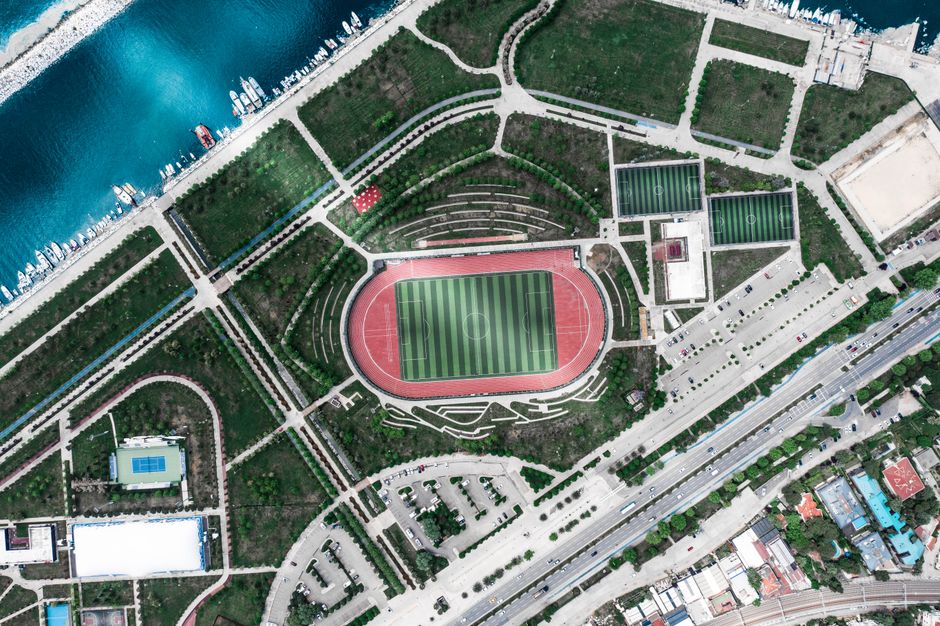
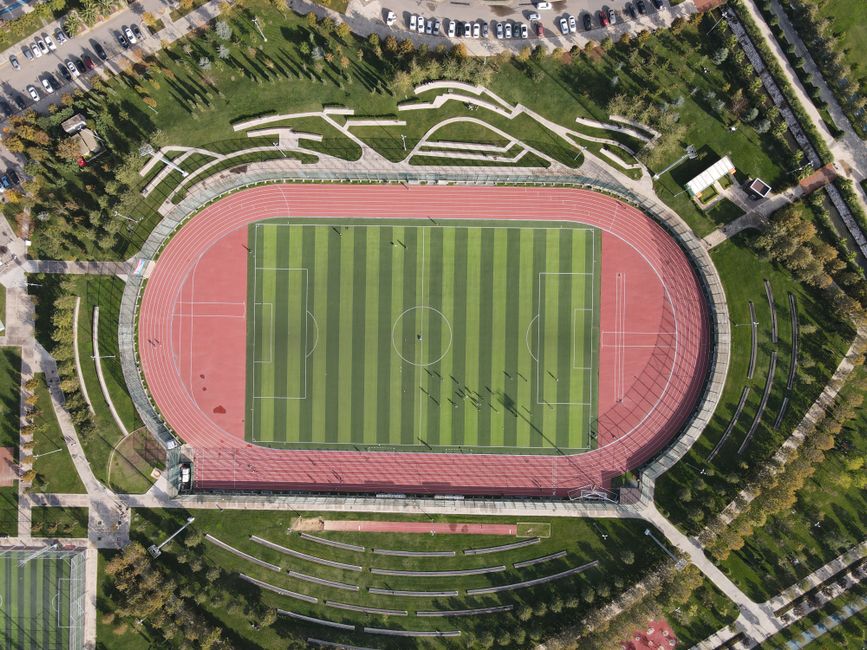
The numbers tell a compelling story. Istanbul's grassroots clubs now employ over 350 volunteer coaches—many former semi-professional players who've chosen community work over corporate jobs. Training grounds have multiplied: from the renovated courts in Bakırköy's Yeşilkent neighbourhood to the newly refurbished synthetic pitch in Avcılar's Cumhuriyet Park, infrastructure is following demand.
What makes this movement distinct is its democratising impact. In traditionally underserved areas like Gaziosmanpaşa and Sultangazi, where youth unemployment hovers above city averages, these clubs provide structure, mentorship, and genuine pathways—not just to professional sport, but to university scholarships and employment in coaching and sports management. Last year alone, 17 young athletes from grassroots programmes secured university places on sports scholarships.
The Turkish Football Federation's localisation initiative has accelerated this growth, decentralising talent identification away from Istanbul's established academies. This shift has legitimised grassroots work, attracting municipal investment and corporate sponsorship previously reserved for big clubs.
Yet challenges persist. Funding remains precarious, facility maintenance inconsistent, and volunteer burnout real. Still, on those evening pitches across the city's neighbourhoods, something unmistakably powerful is happening: sport is becoming genuinely accessible, and communities are reclaiming youth development from the hands of commercial elites. That's the story reshaping Istanbul's sporting future.
This article was compiled by AI from the sources linked above and screened before publishing. See our editorial standards.