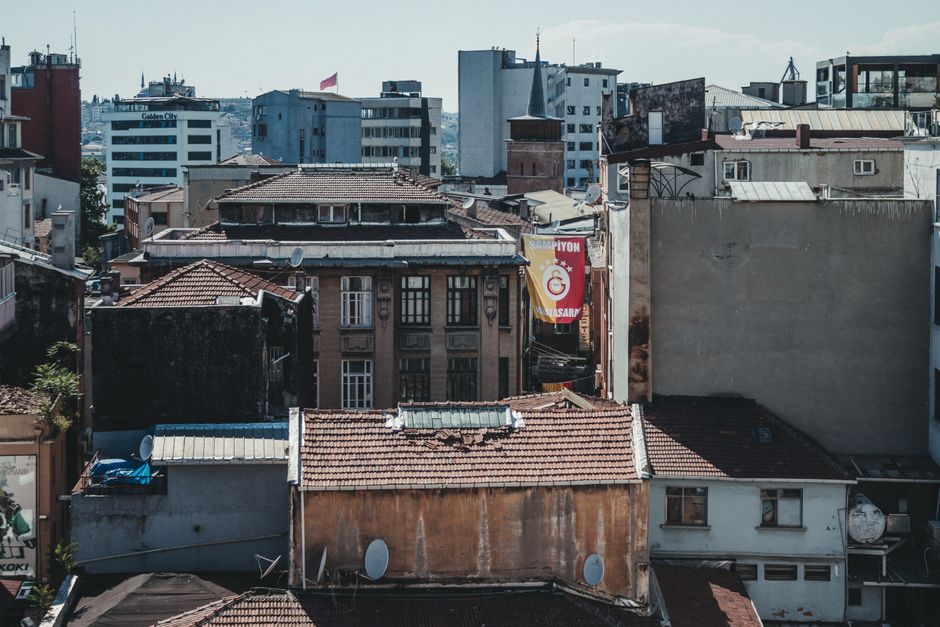
On any given Tuesday evening, the concrete courts behind the Fatih Municipality sports centre in the heart of the old city echo with the sound of basketballs and whistles. Here, in a neighbourhood where space is precious and opportunities are contested, dozens of amateur players gather for league matches that mean far more than points on a table.
Istanbul's grassroots sports movement has quietly become one of the city's most significant social phenomena. What began twenty years ago as informal kickabouts in Balat's cramped alleyways and Beyoğlu's industrial yards has evolved into a structured network of over 340 registered amateur clubs, serving an estimated 28,000 active participants across football, basketball, volleyball, and futsal.
"The real story isn't about winning trophies," explains Mehmet Demir, coordinator of the Anadolu Side Amateur Sports Federation, which oversees clubs across Anatolian Istanbul's densely populated districts. "It's about a kid from Sultangazi finding belonging, or a factory worker from Tuzla building friendships that last decades."
The economics tell a compelling story. Registration fees average 450 Turkish lira per season—modest enough for working families. League matches typically cost between 20-35 lira per spectator. What makes this accessible infrastructure remarkable is that it emerged almost entirely without municipal funding. Community volunteers manage most clubs; local shopkeepers sponsor kits; neighbourhood associations donate ground access.
The Küçükçekmece District Amateur Football League exemplifies this model. Launched in 2018 with twelve teams, it now comprises forty-seven clubs fielding players aged 16 to 65. The league operates on a budget of under 200,000 lira annually—generated entirely through match-day revenue and modest sponsorships from neighbourhood businesses along the coastal development zone.
These aren't elite athletes chasing professional contracts. They're teachers, delivery drivers, construction workers, and university students for whom sport offers respite from economic pressure and social fragmentation in a metropolis of sixteen million people.
What distinguishes Istanbul's movement is its integration function. Clubs regularly field teams that transcend the city's traditional ethnic and economic divides. A futsal league in Gaziosmanpaşa deliberately recruits across immigrant communities, while women's volleyball leagues—once nearly non-existent—now operate in fifteen neighbourhoods, attracting over 2,000 female participants.
As Istanbul navigates rapid urbanisation and social polarisation, these grassroots structures perform quiet civic work. They're not making international headlines, but in working-class neighbourhoods from Pendik to Eyüp, they're building the connective tissue that holds diverse communities together.
This article was compiled by AI from the sources linked above and screened before publishing. See our editorial standards.