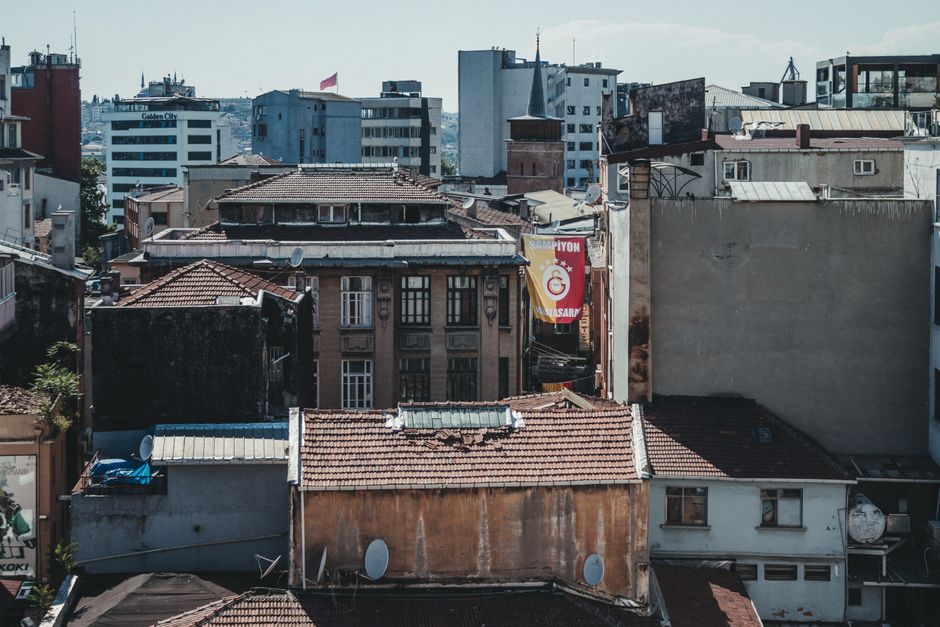
Walk through the neighbourhoods of Fatih on any Tuesday evening and you'll find something quietly remarkable: a network of youth sports facilities operating with the kind of resourcefulness that defines Istanbul's grassroots culture. These venues—many of them humble by international standards—are the backbone of how the city develops its sporting talent.
The scale is significant. According to the Istanbul Metropolitan Municipality's 2025 sports development report, there are approximately 847 registered youth sports clubs operating across the city's 39 districts, with facilities ranging from modest community centres to purpose-built academies. Yet infrastructure remains unevenly distributed. Affluent areas like Beşiktaş and Şişli boast modern training grounds with synthetic pitches and climate-controlled facilities, while neighbourhoods in Zeytinburnu and Gaziosmanpaşa make do with concrete courts and outdoor fields that flood during winter rains.
The economics tell their own story. Annual membership fees at established clubs in central Istanbul average between 3,500 and 8,000 Turkish lira for youth programmes, pricing out many families from working-class districts. Yet municipally-run facilities in Avcılar and Bahçelievler charge as little as 800 lira annually, creating a two-tier system that mirrors broader urban inequality.
Recent municipal initiatives suggest change is underway. The Maslak Sports Complex, expanded in 2024, now houses dedicated training centres for basketball, volleyball, and swimming—disciplines where Istanbul clubs consistently produce national-level talent. Similarly, the conversion of an abandoned textile factory in Eyüp into a multi-sport facility last year signals a shift toward adaptive reuse of urban space.
Yet challenges persist. A 2025 survey by the Istanbul Youth Sports Federation revealed that 62% of grassroots clubs lack adequate changing facilities, and only 34% have access to physiotherapy services. Transportation remains a barrier; young athletes in outlying districts like Çekmeköy face 90-minute commutes to reach quality training venues.
What's encouraging is the organic growth of community-led initiatives. Neighbourhood associations from Kadıköy to Kağıthane have launched cooperative sports programmes, pooling resources to maintain local pitches and courts. These efforts, though fragmented, demonstrate the appetite for accessible youth sport infrastructure.
As Istanbul competes on the global stage—and with eyes on future sporting bids—the city faces a critical choice: will investment in grassroots facilities remain concentrated in wealthy districts, or will the next generation of champions be cultivated across all of Istanbul's communities?
This article was compiled by AI from the sources linked above and screened before publishing. See our editorial standards.