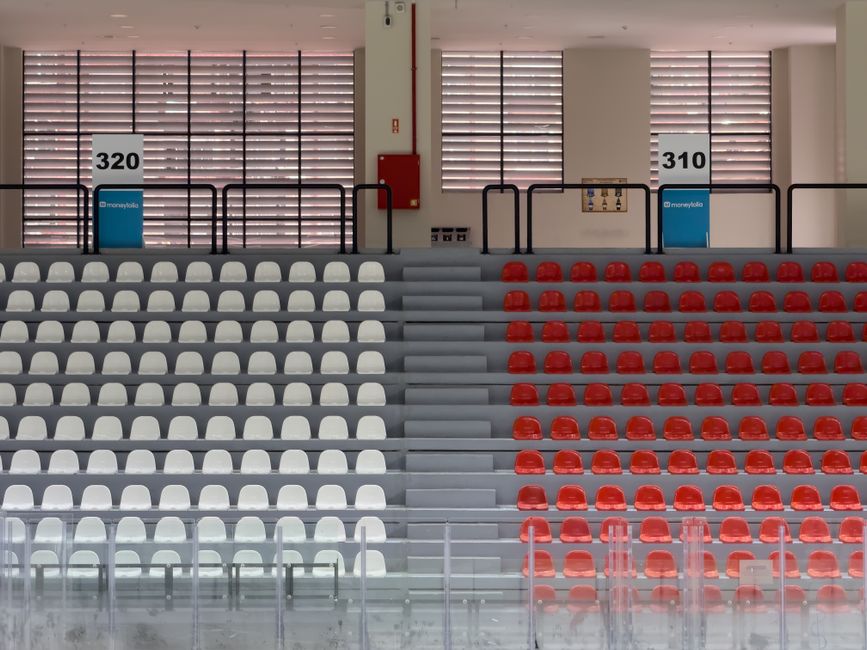
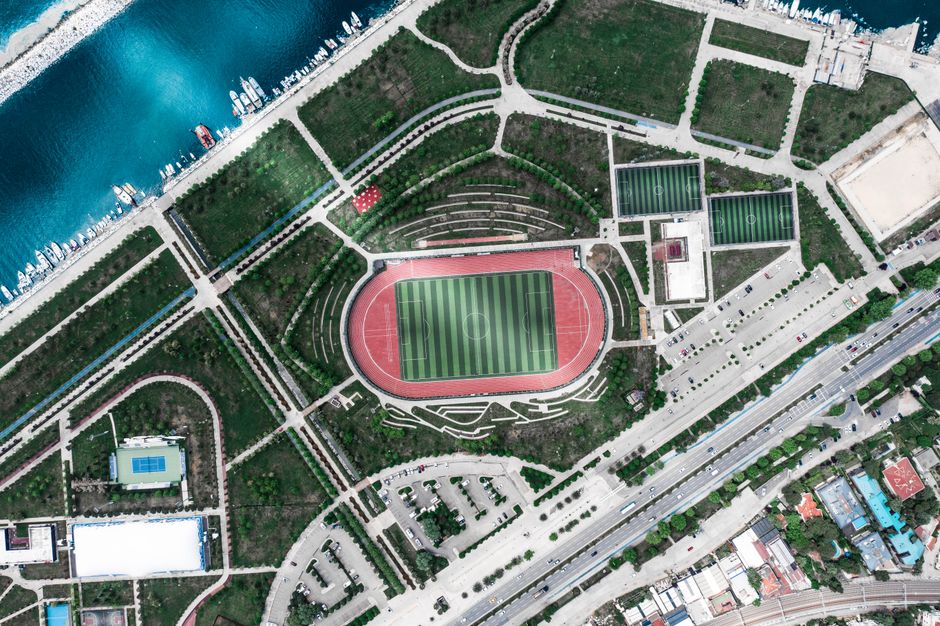
The red-and-yellow colours have never burned brighter across the Avcilar district. Galatasaray's aggressive summer recruitment drive—marked by the signing of established European talent and strategic squad overhaul—has transformed the Istanbul club into serious continental contenders heading into the 2026-27 season. At the heart of this renaissance sits Türk Telekom Stadium, a 52,652-capacity fortress that has witnessed remarkable European nights but now stands as the launchpad for something more systematic.
The club's transfer activity has dominated Turkish football discourse since early June, with spending reportedly exceeding €120 million across multiple positions. What makes this moment particularly significant is not merely the investment, but the deliberate architectural shift in how Galatasaray intends to compete. The stadium, located on the city's European side near the E5 highway corridor, has traditionally been a cauldron of atmospheric intensity—often tilting close contests through sheer vocal force. Now, club executives are banking that upgraded squad depth will transform that advantage into consistent results.
Istanbul's football infrastructure has evolved considerably over the past decade. Beyond Galatasaray's modern arena, rivals Fenerbahçe utilise Ülker Stadyumu in Kadıköy, while Beşiktaş's Vodafone Park sits in Besiktas proper. This municipal competition for supremacy extends beyond the pitch. Gate revenues, season-ticket sales, and corporate hospitality packages across these venues generate approximately €180 million annually for the city's top clubs combined—making stadium management as crucial as tactical acumen.
Galatasaray's board has signalled increased investment in the matchday experience itself. Premium seating categories now account for nearly 40 per cent of Türk Telekom Stadium's capacity, with VIP packages ranging from €4,500 to €12,000 per season. These aren't trivial figures in the Turkish context, yet corporate demand from Istanbul's finance and technology sectors has remained robust.
The real test arrives in August, when Champions League qualification rounds commence. The club's European pedigree is undeniable—three European Cup triumphs and multiple continental semi-final appearances pepper their history. Yet consistency has proven elusive, particularly against elite German and English opposition. This squad renovation represents management's acknowledgment that historical prestige, however glorious, no longer guarantees continental progression.
For Istanbul's football public, the message is clear: Türk Telekom Stadium is no longer merely a theatre of dreams, but the operational headquarters of continental ambition. Whether this summer's investment yields the anticipated European breakthrough remains football's most compelling Istanbul question.
This article was compiled by AI from the sources linked above and screened before publishing. See our editorial standards.