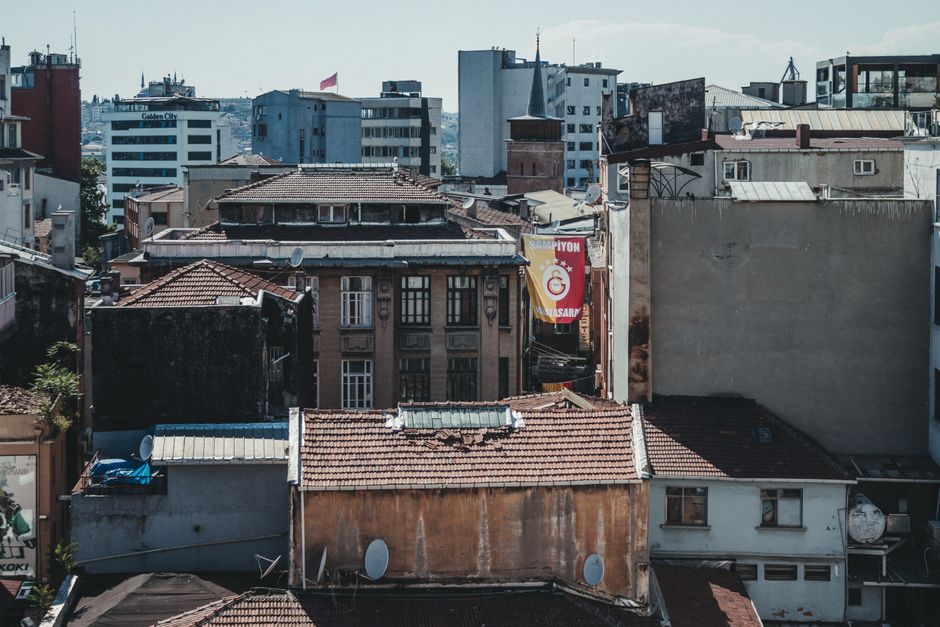
From the Bosphorus to the Pitch: How Istanbul's Local Clubs Are Thriving and Building Community
Neighbourhood sports associations across the city are opening doors to thousands of young athletes, creating pathways that extend far beyond the field.
Neighbourhood sports associations across the city are opening doors to thousands of young athletes, creating pathways that extend far beyond the field.

Walk through Beşiktaş on any Thursday evening and you'll find youth footballers flooding the pitches near Vodafone Park, their shouts echoing across grounds that have served the community for decades. But the real story isn't happening in the shadow of the big stadiums—it's in the smaller clubs quietly transforming neighbourhoods across Istanbul.
The phenomenon reflects a broader shift in Turkish sport. According to data from the Istanbul Metropolitan Municipality's Sports Department, registered membership in neighbourhood-based junior clubs has grown by 34 per cent since 2023, with over 18,000 young people now participating in organised community sport across the metropolitan area. These aren't elite academies—they're grassroots organisations built by volunteers and sustained by genuine neighbourhood investment.
In Kadıköy, the Fenerbahçe Community Sports Association runs programmes from its headquarters near Bağdat Caddesi, offering basketball, volleyball and handball to children aged six upwards. Monthly membership costs between 350 and 600 Turkish Lira, deliberately pitched to remain accessible. "We've deliberately kept fees low because we want talent to come from everywhere, not just wealthy families," explains the association's programmes director, whose perspective reflects the philosophy driving many similar operations across districts like Şişli, Sarıyer and Bakırköy.
The success isn't accidental. Clubs have invested in proper coaching structures, partnering with retired professional athletes who volunteer their expertise. Galatasaray's neighbourhood initiative in Sultanbeyli, for instance, now trains over 300 juniors weekly, while smaller associations in Eyüpsultan have created integrated pathways where talented young players can progress from community level to district competitions.
What's particularly striking is how these clubs have become genuine community anchors. Beyond sport, many now host literacy programmes, provide nutritional guidance, and create safe spaces during school holidays. Parents gather on sidelines, neighbourhoods develop identity, and isolation—a growing concern in sprawling urban centres—diminishes.
For families wanting to get involved, starting is straightforward. Most neighbourhood clubs accept registrations year-round, though September traditionally marks the main intake period. Prospective members should contact their local municipality's sports office or visit district club headquarters directly. The Avcılar Sports Association and Pendik Youth Club, both representative examples, maintain updated websites and social media presence detailing current programmes.
As Istanbul continues its rapid expansion, these local clubs represent something increasingly precious: organised spaces where children develop skills, build friendships, and feel genuinely part of something larger. In a city of 16 million, that sense of belonging—built one neighbourhood at a time—matters profoundly.
This article was compiled by AI from the sources linked above and screened before publishing. See our editorial standards.
How does this story make you feel?
Spread the word
About this article
Published by The Daily Istanbul
Daily brief
Free, in your inbox before 7am. Weekdays.
More in Sport