From Pitches to Neighbourhoods: How Istanbul's Local Football Clubs Are Building Real Community Bonds
As grassroots teams across the city deepen their roots in Beşiktaş, Fatih, and beyond, Istanbul's football culture extends far beyond match days.
As grassroots teams across the city deepen their roots in Beşiktaş, Fatih, and beyond, Istanbul's football culture extends far beyond match days.
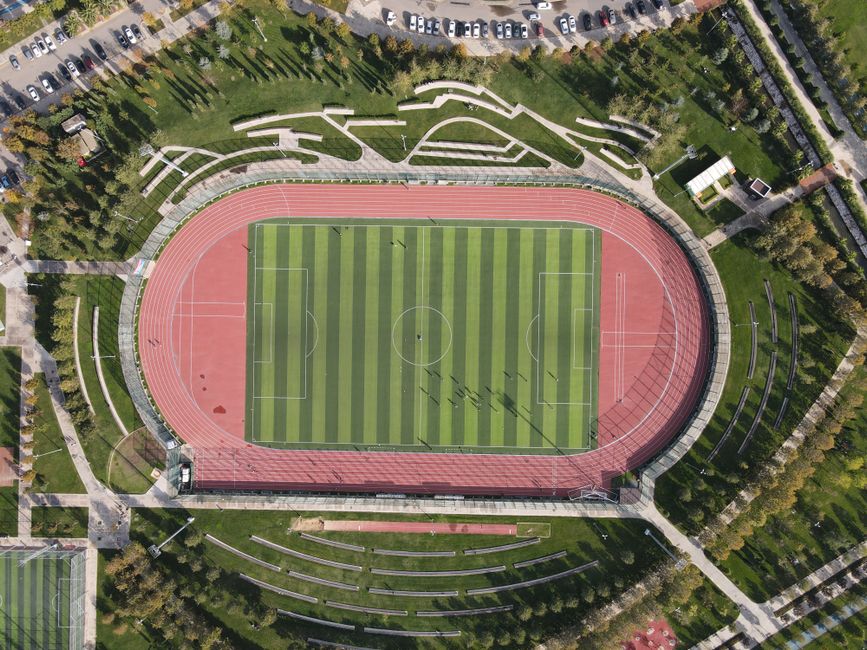
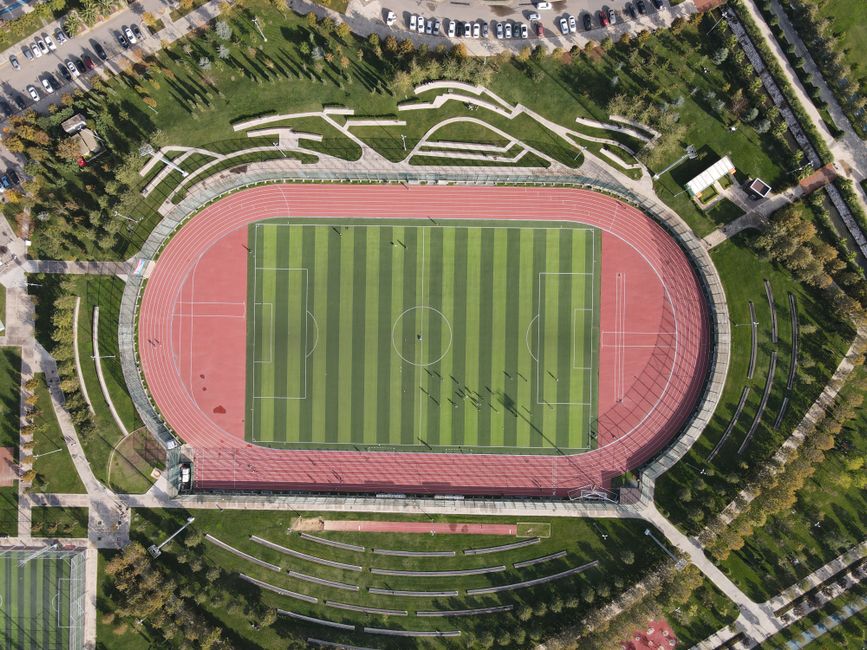
Walk through the residential streets of Beşiktaş on any Tuesday evening, and you'll find young players warming up on the synthetic pitch near Barbaros Boulevard. This isn't a professional training ground—it's one of dozens of community-focused football initiatives transforming how Istanbul's neighbourhoods connect through the sport.
Local clubs operating across Istanbul's districts have become far more than weekend fixtures. Organisations like those operating from Kadıköy's grassroots academies and Fatih's neighbourhood associations are embedding themselves into the fabric of daily life, offering structured pathways for youth while creating spaces where families gather regularly.
The impact is tangible. Community clubs now report participation rates exceeding pre-pandemic levels, with some neighbourhood sides drawing 200-300 young players across age groups each season. Membership fees remain deliberately affordable—typically between 800 and 1,500 Turkish lire monthly—ensuring access isn't restricted to wealthy families across districts like Şişli, Çankurtaran, and Bahçelievler.
Beyond the pitch, these clubs have become social anchors. Many now operate nutrition programmes, homework support sessions, and mentorship initiatives. A club operating in Tarlabaşı, one of Istanbul's historically underserved areas, recently expanded to offer career guidance alongside football training, recognising that sport alone cannot sustain community wellbeing.
The administrative structure supporting these grassroots efforts has also matured. District-level football associations coordinate fixtures, maintain safety standards, and liaise with local municipalities to secure pitch access and maintenance funding. The result is a more organised, sustainable ecosystem where consistency replaces the chaos that once characterised informal neighbourhood play.
Perhaps most significantly, these clubs are rebuilding a sense of localised identity in an increasingly fragmented city. In neighbourhoods where family structures have diversified and digital life has fractured traditional gathering spaces, Friday evening matches and weekend tournaments create predictable moments of connection. Parents supervising from the sidelines develop networks. Siblings support one another. Extended families attend matches together.
Istanbul's football culture has historically orbited three major clubs. Yet this season, the story increasingly belongs to the hundreds of smaller organisations quietly reshaping how communities function. Their success suggests that football's real power in cities like Istanbul lies not in stadiums holding 50,000, but in neighbourhood pitches where every player knows everyone else's name, and every match day reinforces belonging.
This article was compiled by AI from the sources linked above and screened before publishing. See our editorial standards.
How does this story make you feel?
Spread the word
About this article
Published by The Daily Istanbul
Daily brief
Free, in your inbox before 7am. Weekdays.
More in Sport