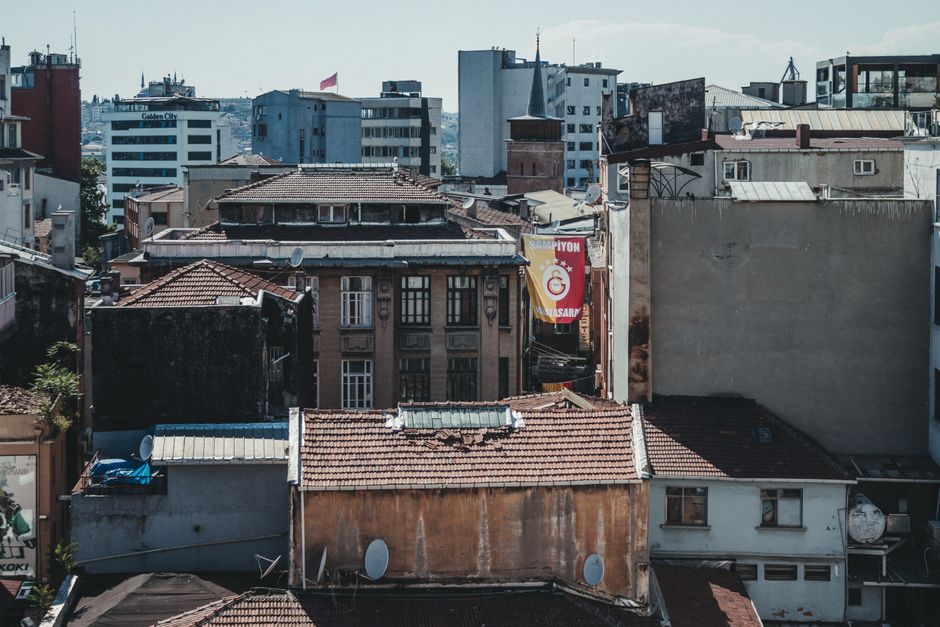
Galatasaray's resurgent form in recent weeks has ignited serious conversations about continental football at the Türk Telekom Stadium, forcing club officials to confront a familiar challenge: whether their 52,600-capacity home in Sütlüce can adequately host the demands of elite European competition on a consistent basis.
The Lions' push towards Champions League football next season has already begun reshaping how Istanbul's sporting establishment thinks about its flagship venues. While the Türk Telekom Stadium has hosted European matches since its 2011 opening, a sustained campaign would test infrastructure that was state-of-the-art a decade and a half ago but now faces scrutiny from UEFA's evolving standards. The venue's location along the Golden Horn, accessible via the O-4 ring road and near Eyüp Sultan, has served the club well, but capacity constraints loom large should Galatasaray advance deep into European tournaments.
Istanbul's other major sporting complex—Vodafone Park in Beşiktaş, home to their fiercest rivals—offers only marginal additional capacity at 41,903 spectators, meaning the city could face difficult logistics if multiple Turkish clubs qualify for continental competitions simultaneously. The economic implications are substantial. European matches generate significantly higher ticket revenues than domestic fixtures, with premium seats at continental ties often commanding 2,000-3,000 Turkish Liras compared to 300-800 for league matches.
For Galatasaray, whose global commercial interests and diaspora support networks span continents, sustained European football would represent not merely sporting achievement but economic validation. The club's recent investments in squad depth and tactical infrastructure suggest genuine ambitions beyond domestic dominance. Yet venue limitations could prove a constraint on how far those ambitions extend.
The broader conversation extends to Istanbul's positioning within European football's geography. Cities like Milan, Madrid, and Munich maintain multiple world-class stadiums precisely because their clubs regularly compete for continental prizes. Istanbul, despite boasting three clubs capable of reaching European competitions, has concentrated its investment in single venues. Fenerbahçe's Ülker Stadyumu in Kadıköy seats 50,530, completing a trio of grounds that, while modern, operate near maximum capacity whenever European commitments emerge.
Galatasaray's momentum this season offers an opportunity to examine these structural realities before they become crisis points. Whether the club's European push succeeds or falters in coming weeks, Istanbul's sporting infrastructure may need reimagining for a city that hosts Europe's largest metropolitan population yet punches below its weight in continental club football.
This article was compiled by AI from the sources linked above and screened before publishing. See our editorial standards.