Istanbul's endurance sports community has experienced a dramatic transformation over the past three years, driven by significant investments in running tracks, cycling paths, and triathlon-specific infrastructure that reflect the city's ambitions as a global sporting destination.
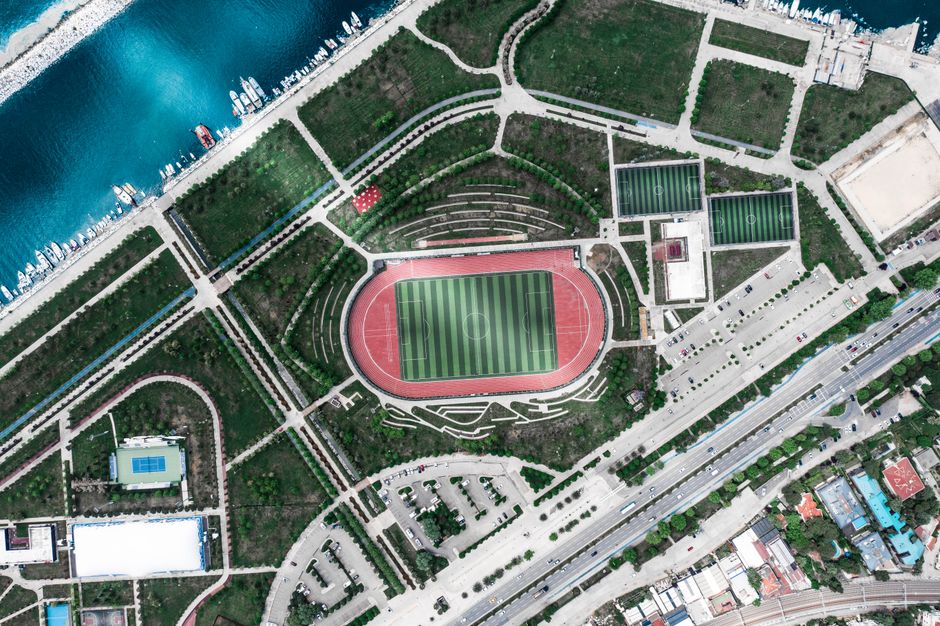
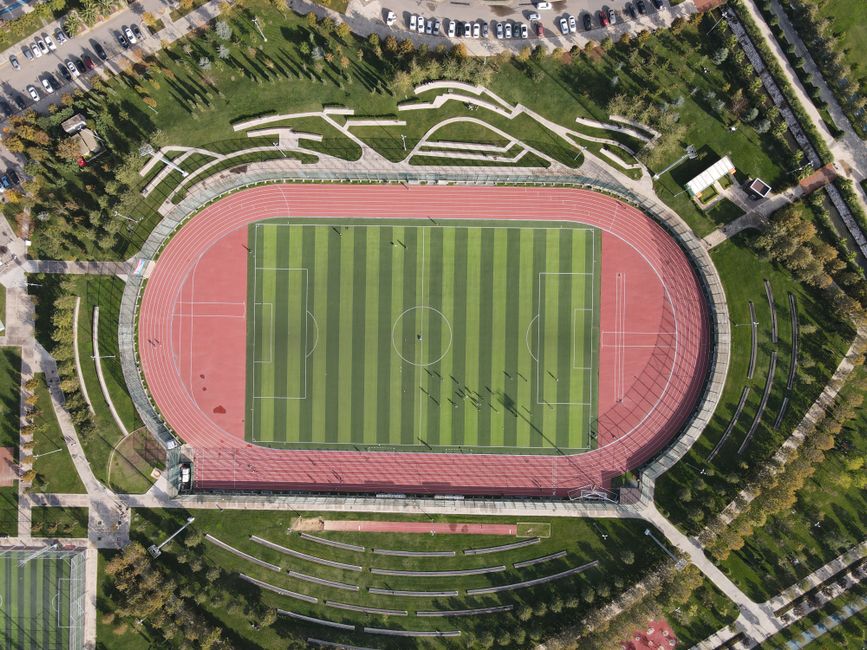
The Vadi Istanbul Sports Complex in the Sarıyer district has emerged as a cornerstone facility, offering an Olympic-standard 400-metre synthetic track alongside a modern indoor training centre. Membership costs range from 450 to 650 Turkish Lira monthly, positioning it as accessible to serious amateurs while maintaining professional standards. The venue hosts approximately 180 registered runners in its competitive programs and has become headquarters for Istanbul's burgeoning half-marathon training culture.
Cycling infrastructure has expanded significantly along two critical corridors. The 32-kilometre Bosphorus Waterfront Path, stretching from Acibadem through Ortaköy to Bebek, remains the city's premier cycling venue, though recent upgrades to dedicated lanes between Besiktas and Ortaköy have reduced conflicts with pedestrian traffic. Simultaneously, the newly completed Anatolian side loop through Kadikoy and Moda offers flatter terrain ideal for endurance cyclists, with improved signage and rest stations installed at 8-kilometre intervals.
Triathlon infrastructure has lagged behind running and cycling historically, but this is changing. The Küçükçekmece Olympic Lake, site of the 2004 Olympic canoe sprint events, has been developed into a dual-purpose training facility supporting open-water swimming alongside cycling and running stages. Entry to the lake training sessions costs 75 Lira per session, with package rates available for serious triathletes preparing for international competition.
Municipal data indicates that participation in registered running clubs within Istanbul's metropolitan area has grown 42 per cent since 2023, with approximately 8,400 active members across 34 affiliated clubs. Cycling participation shows similar momentum, with 156 mapped cycling routes now available through the Istanbul Metropolitan Municipality's online platform.
However, challenges remain. Many facilities cluster on the European side, leaving Anatolian communities with fewer options. Water quality testing at Küçükçekmece, conducted quarterly, has flagged occasional bacterial concerns during summer months—a critical issue for triathletes preparing for international events.
Still, the trajectory is clear. Istanbul's endurance sports infrastructure increasingly reflects the city's status as a serious training destination, attracting regional competitors and establishing local athletes on the European circuit.
This article was compiled by AI from the sources linked above and screened before publishing. See our editorial standards.