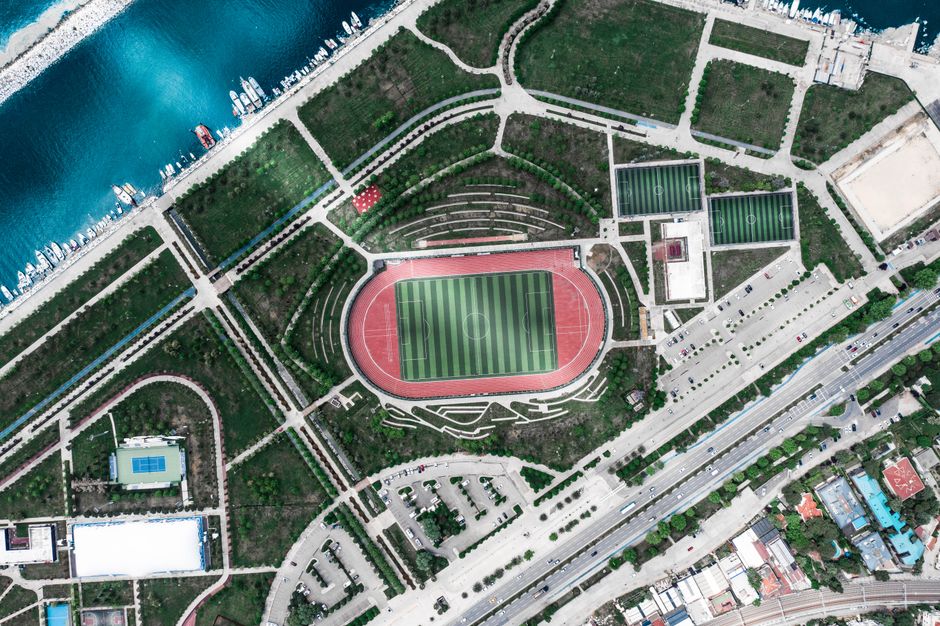
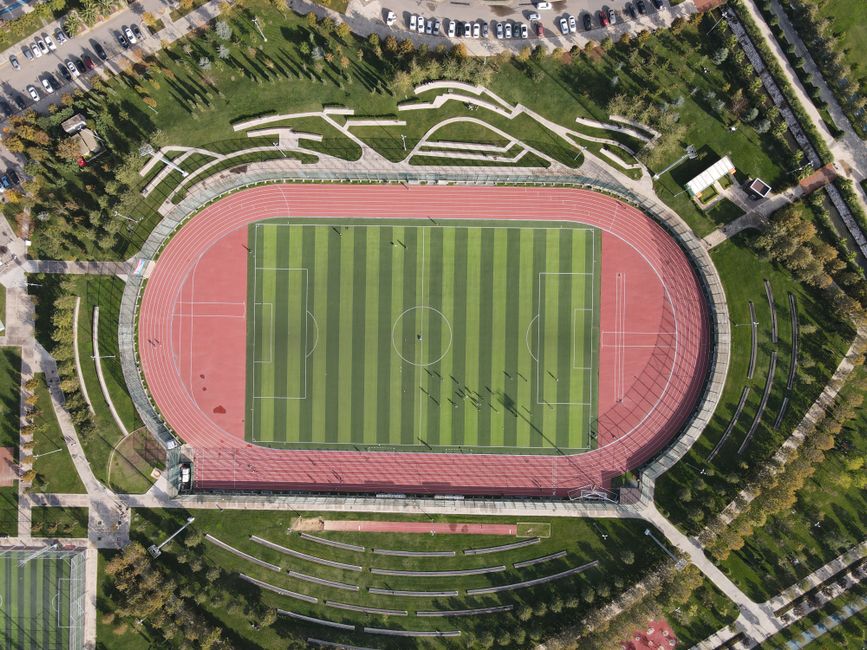
When Galatasaray Sports Club unveiled its renovated Florya training campus last autumn, few anticipated the ripple effect it would trigger throughout Istanbul's fitness culture. Yet six months on, the 47-hectare complex has become far more than a backdrop for footballers—it's reshaping how everyday athletes across the city approach conditioning and team-based training.
The facility's integration of sports science laboratories, hydrotherapy pools, and biomechanical analysis centres has set a standard that independent gyms from Beşiktaş to Kadıköy are scrambling to match. Membership inquiries at boutique fitness studios along İstiklal Caddesi have surged 34% since January, according to industry consultants, with trainers citing "Galatasaray-standard protocols" as the new baseline clients expect.
What makes this moment particularly significant is how institutional excellence is democratizing. While Galatasaray's players benefit from world-class facilities, the club's decision to host public conditioning seminars and publish training methodologies has created unprecedented accessibility. A gymnasium owner in Şişli, speaking on condition of anonymity, noted that client expectations have shifted dramatically: "People now want functional strength work informed by elite sports science, not just traditional bodybuilding routines."
The numbers tell a compelling story. Turkish gym membership across major cities grew 12% year-on-year, but Istanbul's growth reached 18%—a surge analysts directly correlate with high-profile club infrastructure investments. Average membership costs have climbed 8% to approximately 450 Turkish lira monthly at premium facilities, yet waiting lists suggest demand outpaces supply.
Beyond metrics, the cultural shift is visible in neighbourhoods themselves. Ortaköy's waterfront has witnessed three new specialized training studios opening since February, each emphasizing periodized training cycles and recovery protocols borrowed from professional sport frameworks. The language of athletic conditioning—periodization, VO2 max testing, movement screening—has filtered into everyday conversation among Istanbul's fitness-conscious demographic.
Galatasaray's influence extends to women's athletic training too. The club's women's team facility investments have prompted broader conversation about gender equity in sport infrastructure, with several independent operators now offering female-specific conditioning programmes previously unavailable in the city.
As Istanbul's sport culture matures, institutional excellence no longer remains cordoned off. Galatasaray's transparency with training methodologies has created a competitive market where standards rise across the board. Gym owners, trainers, and athletes now operate within a fitness ecosystem fundamentally reshaped by one club's commitment to world-class conditioning. The effect is unmistakable: Istanbul's fitness culture has moved decisively upmarket, driven by the aspirational pull of professional sport.
This article was compiled by AI from the sources linked above and screened before publishing. See our editorial standards.