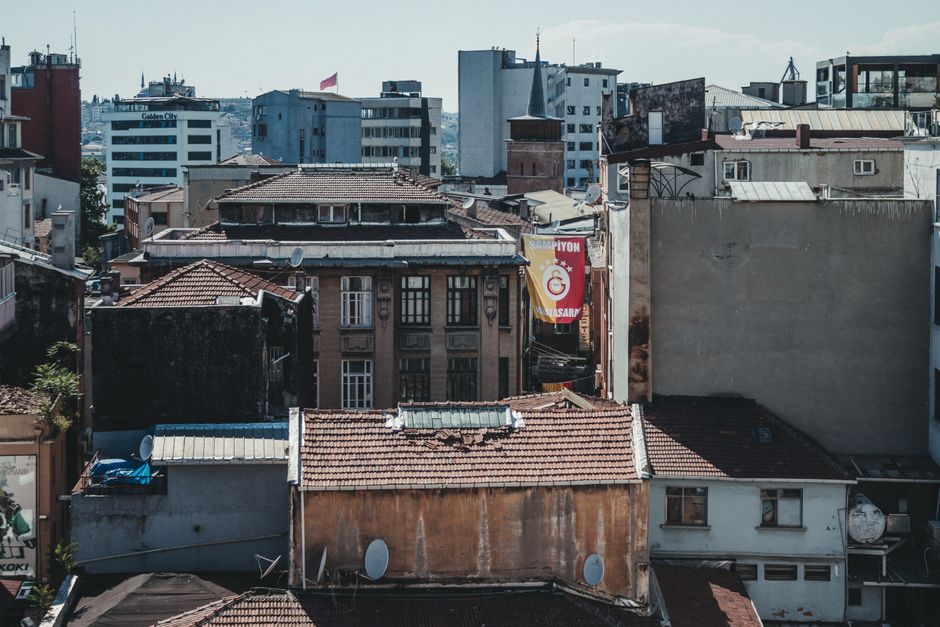
Istanbul's fitness landscape has undergone a dramatic transformation over the past three years, with investment in gym infrastructure reaching unprecedented levels across the city's major districts. What was once dominated by cramped basement facilities has evolved into a sophisticated ecosystem of specialised training venues that rival European capitals.
The Beyoğlu district has emerged as the epicentre of this fitness boom. Premium facilities along İstiklal Avenue and the surrounding streets now offer Olympic lifting platforms, climate-controlled CrossFit boxes, and high-tech recovery centres equipped with cryotherapy chambers. Monthly membership costs in these zones range from 2,500 to 4,500 Turkish lira, reflecting the premium positioning of these venues. Meanwhile, more accessible community gyms in Aksaray and Fatih offer comparable basic facilities at half the price, democratising access to quality training equipment.
The infrastructure supporting Istanbul's fitness culture extends beyond traditional gyms. Beşiktaş has seen significant development of outdoor training parks along the Bosphorus waterfront, featuring functional fitness rigs and running tracks that capitalise on the city's natural landscape. The municipality has invested in renovating several neighbourhood facilities, making trained coaching and modern equipment available to residents who might otherwise lack affordable access.
Boxing and combat sports have particularly benefited from recent upgrades. Multiple clubs across Zeytinburnu and Bakırköy now feature AIBA-standard rings and dedicated strength-and-conditioning areas, supporting Istanbul's growing reputation as a regional hub for fight training. Swimming infrastructure has similarly advanced, with several facilities along the European shore now offering Olympic-sized pools alongside underwater treadmills for injury rehabilitation.
Data from Istanbul's Sports Ministry indicates that gym membership penetration has grown to approximately 8 per cent of the adult population, compared to 4 per cent in 2019. This expansion reflects broader health consciousness among residents, particularly younger demographics aged 18-35, who view fitness as integral to urban lifestyle.
However, challenges remain. Distribution remains uneven, with Asian-side districts like Üsküdar and Kadıköy lagging behind Beyoğlu in facility density. Transport infrastructure, while improving, still makes cross-district training difficult during peak hours. Local sports organisations are advocating for continued municipal investment to ensure equitable access to quality facilities across all neighbourhoods.
As Istanbul continues its development as a global sporting destination, the quality and accessibility of its training infrastructure will prove crucial not only for competitive athletes but for the broader health and wellbeing of the city's residents.
This article was compiled by AI from the sources linked above and screened before publishing. See our editorial standards.