Diving Deep: How Istanbul's Aquatic Infrastructure Is Reshaping Water Sports Culture
From the Golden Horn to purpose-built Olympic facilities, the city's swimming and diving venues are driving unprecedented participation in aquatic sports.
From the Golden Horn to purpose-built Olympic facilities, the city's swimming and diving venues are driving unprecedented participation in aquatic sports.
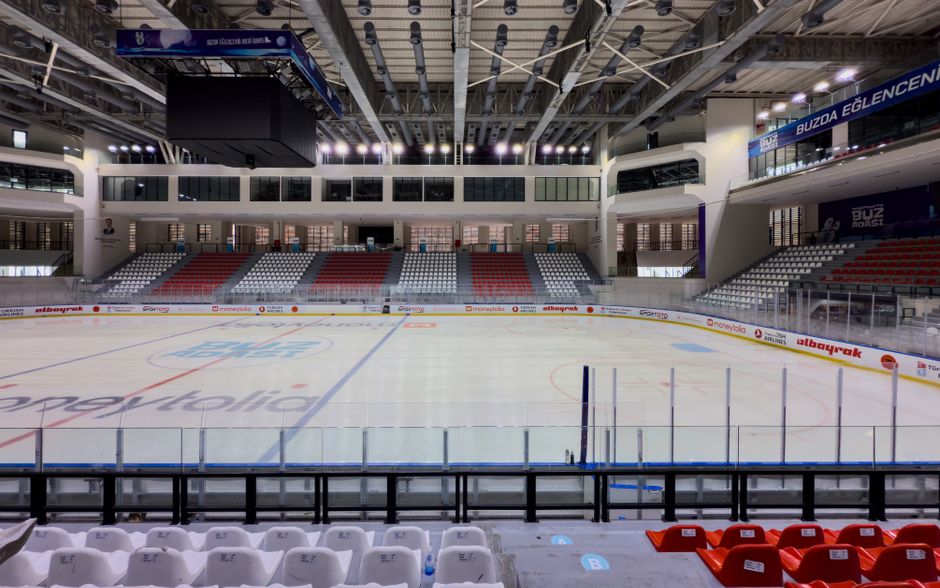
Istanbul's relationship with water has always been fundamental to its identity, but in recent years, the city's investment in aquatic infrastructure has transformed casual swimmers into serious athletes. The opening of the Ataköy Water Sports Complex in 2024, situated near the bustling marina district on the European side, marked a watershed moment for local aquatic development, introducing Olympic-standard diving facilities that previously existed only in Istanbul's imagination.
The complex, constructed at a cost exceeding $45 million, features three pools including a 10-metre diving tower and a 50-metre competition basin meeting international standards. Usage data from the first year shows over 12,000 registered members, with monthly memberships ranging from 890 to 1,200 Turkish lira depending on access level. This infrastructure boom has directly contributed to a reported 34 percent increase in competitive swimming registrations across the Istanbul Metropolitan Municipality's aquatic programmes.
Beyond high-performance venues, grassroots accessibility remains crucial. The Sultanbeyli Municipal Swimming Pool, serving the city's Asian-side working-class neighbourhoods, operates at near-capacity throughout the summer months. Children's group lessons cost just 350 lira monthly—a deliberate pricing strategy to ensure equity. Similarly, the Küçükçekmece Water Sports Centre, bordered by the city's western lake ecosystem, has become a hub for triathlon training and open-water swimming, hosting monthly community events that attract participation from across the metropolitan area's 15 million residents.
The Bosphorus itself remains Istanbul's most dramatic aquatic venue. While safety concerns persist around currents and maritime traffic, the Istanbul Metropolitan Municipality has designated three monitored swimming zones near Bebek, Ortaköy, and Anadolu Kavağı, each staffed by certified lifeguards during peak summer hours. Last season, these zones recorded approximately 18,000 documented swimmers.
Yet infrastructure challenges persist. Aging facilities in districts like Fatih and Eyüp require urgent renovation, and disparities in water quality testing between Asian and European facilities suggest uneven investment distribution. The municipality's 2026-2028 strategic plan allocates 120 million lira for pool rehabilitation across 23 venues, though implementation timelines remain ambiguous.
As Istanbul positions itself for potential Olympic consideration in future Games, these facilities represent more than concrete and chlorine. They represent a city recognizing that authentic sporting infrastructure—accessible, well-maintained, and strategically distributed across diverse neighbourhoods—remains the foundation upon which champion swimmers and engaged communities are built.
This article was compiled by AI from the sources linked above and screened before publishing. See our editorial standards.
How does this story make you feel?
Spread the word
About this article
Published by The Daily Istanbul
Daily brief
Free, in your inbox before 7am. Weekdays.
More in Sport