From Commute to Community: How Istanbul's Grassroots Runners and Cyclists Are Building a Movement
What began as informal weekend gatherings along the Golden Horn has evolved into a thriving network of thousands who are reshaping how the city moves.
What began as informal weekend gatherings along the Golden Horn has evolved into a thriving network of thousands who are reshaping how the city moves.
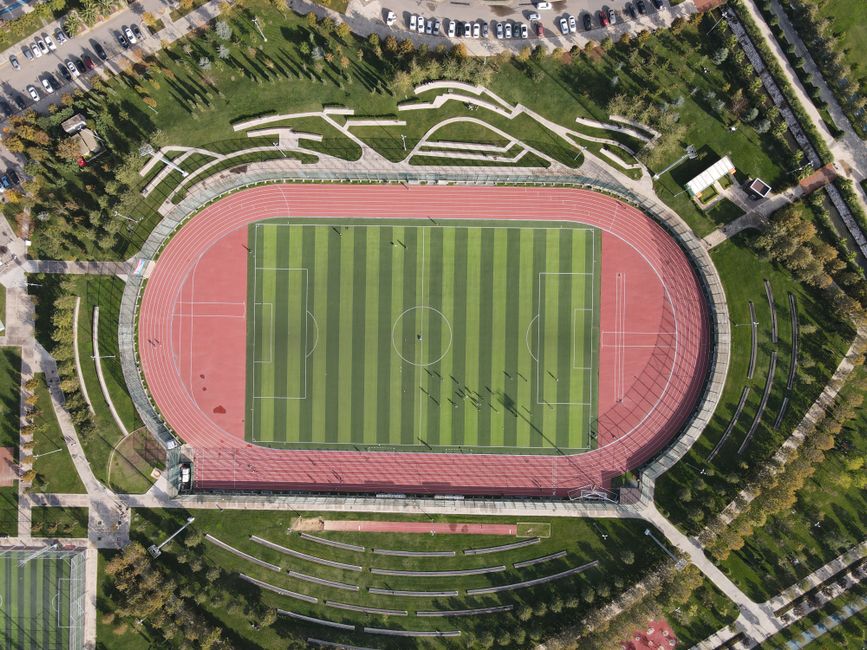
On Saturday mornings, before Istanbul's notorious traffic chokes the streets, a informal tide of runners and cyclists flows through Ortaköy and up towards Sarıyer. There are no elite athletes, no sponsorship banners, no timing chips—just neighbours discovering that endurance sport belongs not to the privileged few, but to anyone willing to show up.
The movement traces its roots to 2022, when a handful of commuter cyclists began meeting at Taksim Square's northern edge before dawn runs through Maçka Park. What started as five people has become five thousand. Today, groups with names like "Bosphorus Breakers" and "Anatolian Ambition" meet across the city's neighbourhoods—from Üsküdar's waterfront paths to the quieter streets of Avcılar where entry barriers remain lowest.
"It costs nothing to run," says one Istanbul-based community organiser who has watched the movement unfold. "That's the entire philosophy. We removed the gatekeeping." Entry fees for organised events in the city typically range from 150-400 Turkish lira, but grassroots groups operate on pure volunteerism. A triathlon club operating from a small facility near Maltepe charges members just 300 lira monthly—roughly a quarter of commercial gym rates.
The infrastructure has quietly adapted. The municipality's 40-kilometre cycling path network, largely neglected five years ago, now requires maintenance crews working weekends. Kadıköy's waterfront promenade, once dominated by tourist strollers, now hosts organised running groups three mornings weekly. Local sports shops in Beşiktaş and Eminönü report unprecedented demand for entry-level running shoes and affordable bike components.
What distinguishes Istanbul's grassroots movement is its stubborn inclusivity. Unlike competitive racing circuits dominated by middle-class participants, these groups deliberately meet in accessible neighbourhoods and at flexible times. Parents push children in jogging strollers alongside retirees rediscovering fitness. Immigrant communities have formed their own networks, with groups gathering in areas where they live rather than commuting to central hubs.
The data reflects genuine momentum. A 2025 city survey found 23,000 active participants in unregistered community running and cycling groups—compared to just 4,000 registered with formal clubs five years earlier. Bike shop owners report triathlon equipment sales have grown 180 percent since 2023.
City planners increasingly recognise the movement as infrastructure planning should follow. Proposed cycling routes through Fatih and Eyüp districts gained political traction after grassroots groups documented demand through social media documentation of thousands commuting daily.
Istanbul's endurance sport revolution remains unglamorous and decidedly local. No world records will be broken on Bosphorus paths. But something equally valuable is emerging: a city discovering that athleticism is not spectacle, but community.
This article was compiled by AI from the sources linked above and screened before publishing. See our editorial standards.
How does this story make you feel?
Spread the word
About this article
Published by The Daily Istanbul
Daily brief
Free, in your inbox before 7am. Weekdays.
More in Sport