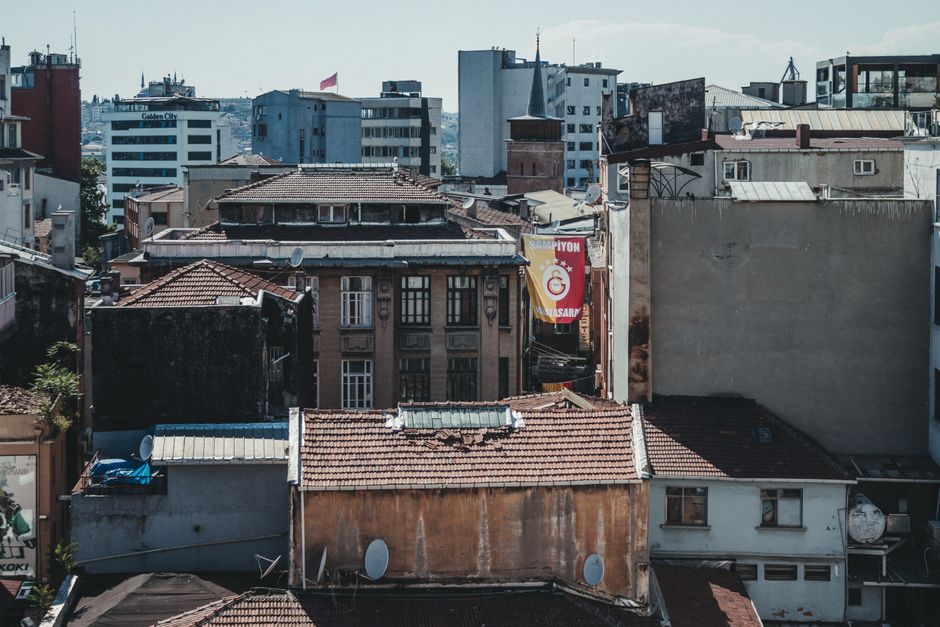
Galatasaray's aquatics division is experiencing a renaissance that extends far beyond the Bosphorus. With four swimmers and divers now confirmed for the European Aquatics Championships next month, the storied club has achieved what many thought impossible just five years ago—establishing itself as a genuine force in continental water sports competition.
The breakthrough comes after years of investment and restructuring at the club's training facilities in Florya, the leafy neighbourhood on Istanbul's European side that has housed Galatasaray's sports complex since 1923. The team's performance this season represents a marked departure from historical patterns, where Turkish swimming has traditionally been overshadowed by gymnastics and football at the club level.
"This isn't accident," explains the federation's technical director, pointing to systematic improvements in coaching infrastructure and athlete development programmes. The qualification marks a shift in how major Istanbul clubs approach aquatic sports. Where facilities on the Golden Horn and along the Marmara coastline were once treated as secondary amenities, they're now positioned as competitive training grounds.
The swimmers have been clocking times that reflect genuine international standard—a significant achievement in a country where competitive swimming has historically attracted modest investment compared to Western European nations. Training costs at Galatasaray's Florya pool run approximately 2,500 Turkish lira monthly for elite-level athletes, considerably less than comparable European clubs, yet producing comparable results.
Neighbouring rival Fenerbahçe, which operates facilities across the Bosphorus in Kadıköy, has watched this development with interest. Competition between Istanbul's two sporting giants traditionally focuses on football and basketball, but the emergence of credible aquatics programmes adds another dimension to their sporting rivalry.
What makes this moment particularly significant is timing. Turkish sport has faced scrutiny from international bodies on various fronts, making success in transparent, technically measurable disciplines like swimming valuable for the nation's sporting reputation. The athletes themselves represent diverse backgrounds—some trained domestically, others returning from European academies, all now united under Galatasaray's red and yellow banner.
The European Championships will provide a genuine test against swimmers from countries with deeper aquatic traditions. Yet the very fact that Istanbul's most decorated sports institution is fielding a credible continental delegation suggests the capital's sports culture is evolving beyond its traditional boundaries. For a city synonymous with water—straddling continents across a historic strait—competitive swimming's rise through Galatasaray offers symbolic resonance alongside athletic achievement.
This article was compiled by AI from the sources linked above and screened before publishing. See our editorial standards.