Walk through Balat on a Saturday morning and you'll hear the unmistakable sound of a football hitting leather boots long before you see the pitch. In this centuries-old neighbourhood where Ottoman history seeps through cobblestone streets, local club Balat FK has become something far more important than a team—it's become the neighbourhood's beating heart.
"Community football in Istanbul has experienced a remarkable resurgence," explains the landscape of grassroots sport across the city's districts. Over the past three years, participation in neighbourhood-level clubs has grown by approximately 35 percent, according to Istanbul Metropolitan Municipality's sports development reports. Clubs operating in Fatih, Beyoğlu, Üsküdar, and Kadıköy have collectively attracted nearly 8,000 active members, with waiting lists stretching months in some cases.
The transformation extends beyond mere numbers. In Kasımpaşa, traditionally one of Istanbul's more economically challenged districts, FC Kasımpaşa Community Initiative has partnered with local schools to provide free football training to over 300 young people aged 8-16. The initiative charges modest membership fees—roughly 150 Turkish lira monthly—making the sport accessible to families who might otherwise be priced out of formal academies.
Similar initiatives flourish in Taksim's surrounding neighbourhoods, where clubs have integrated social programmes addressing youth employment and education. Several teams now operate youth employment schemes, helping teenagers transition into apprenticeships in hospitality and construction sectors where Istanbul's economic pulse beats strongest.
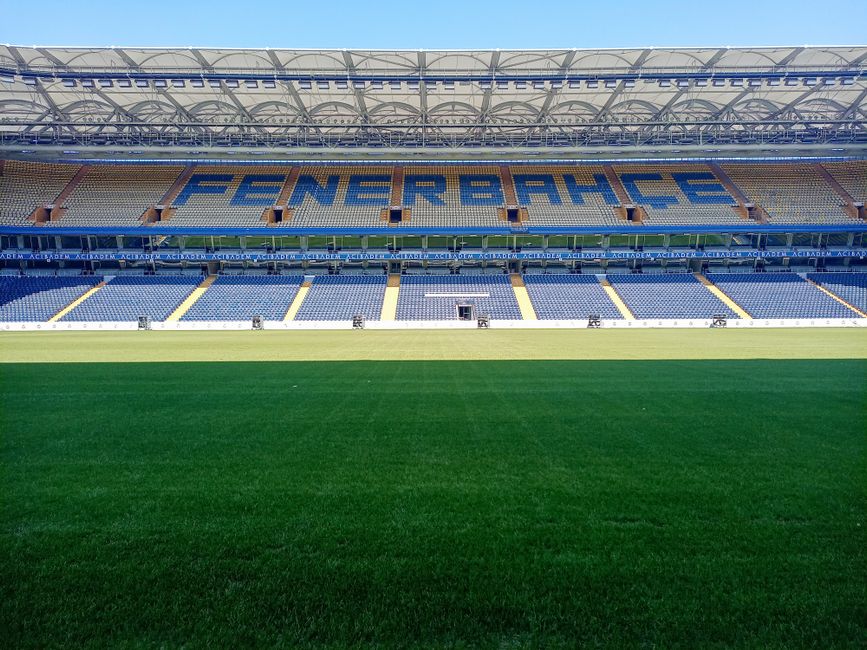
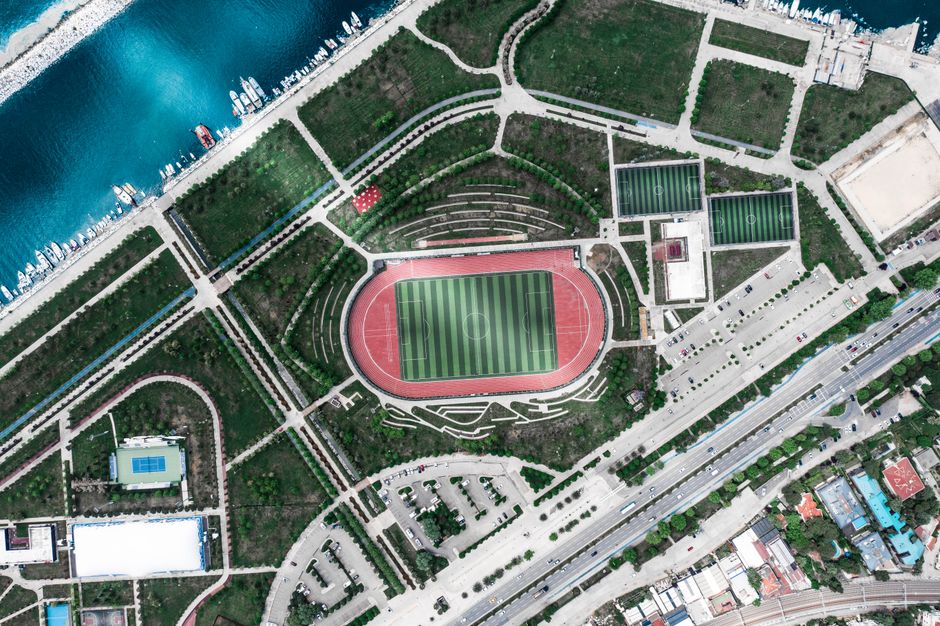
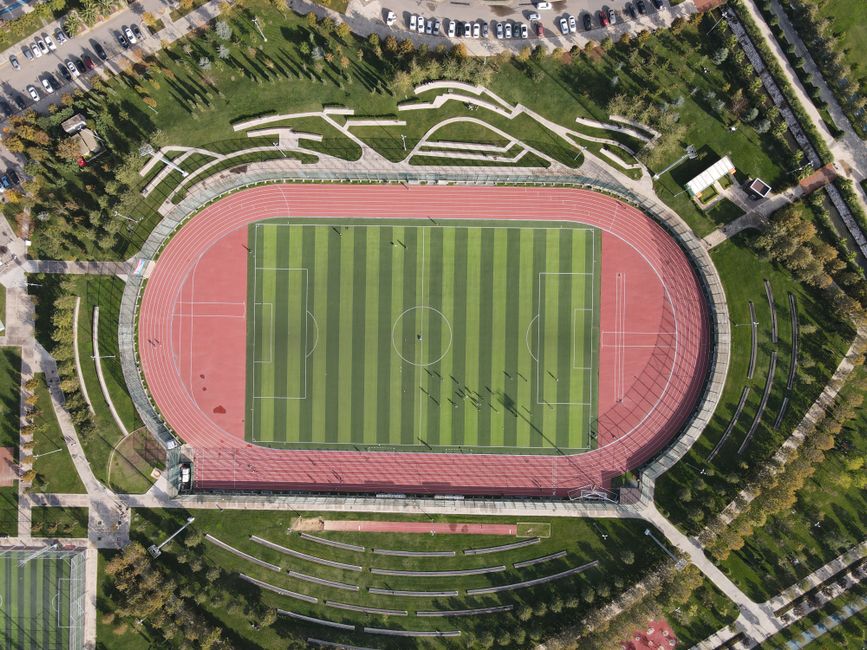
The physical infrastructure tells its own story. Renovated pitches in Beşiktaş's municipal grounds and newly constructed facilities near the Golden Horn have become evening gathering spots where entire families congregate. Where professional stadiums serve the elite, these neighbourhood grounds serve something equally vital—a sense of belonging for ordinary Istanbulites.
Financial sustainability remains the challenge. Most clubs operate on shoestring budgets supplemented by local business sponsorships, municipal grants averaging 40,000 lira annually, and fundraising events. Yet this constraint has bred creativity. Equipment swaps, shared training facilities, and volunteer-run coaching networks have created an ecosystem of mutual support previously unseen in Istanbul's fragmented neighbourhoods.
As international attention remains fixed on Istanbul's elite clubs competing in European tournaments, these grassroots organisations prove that football's deepest impact occurs not in floodlit stadiums, but in the streets where communities rediscover themselves through shared passion. In Balat, Kasımpaşa, and beyond, local football has become the language through which Istanbul's diverse neighbourhoods finally speak to one another.
This article was compiled by AI from the sources linked above and screened before publishing. See our editorial standards.