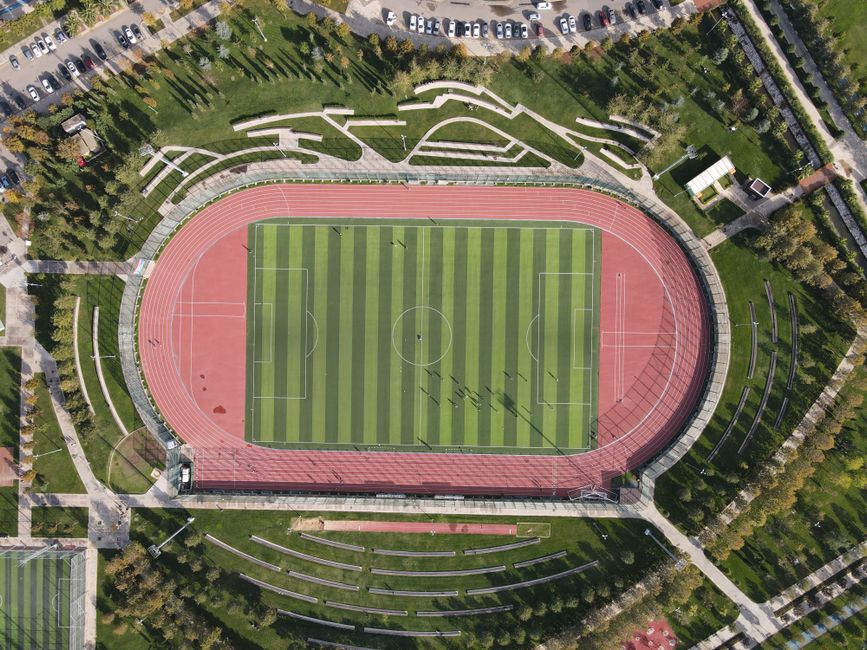
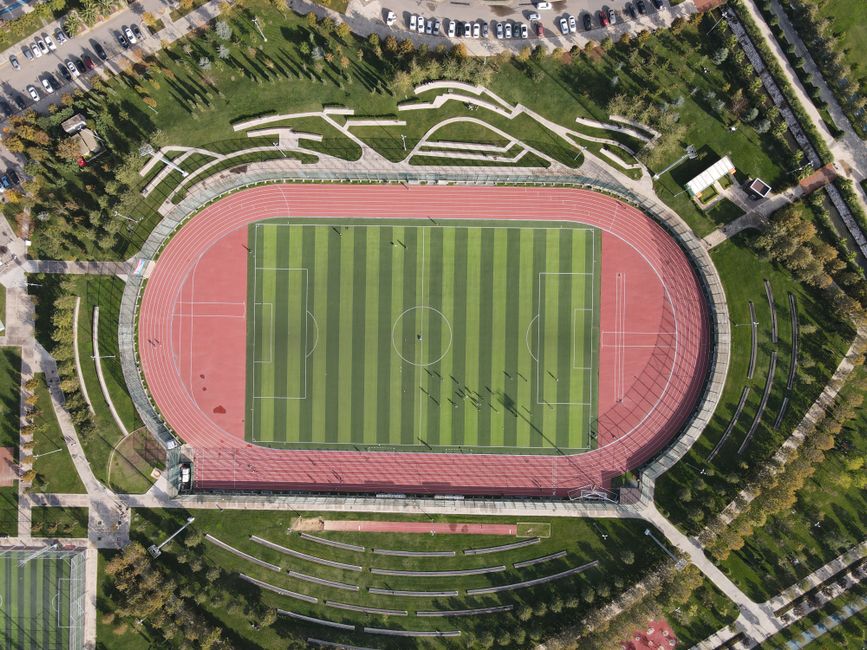
Walk through the narrow streets of Balat on a Saturday morning, and you'll hear the unmistakable sound of a football being kicked against cobblestones. In this historic Golden Horn neighbourhood, Balat FK has transformed a modest pitch near the restored Ottoman warehouses into a gathering place for locals aged five to sixty, creating what community organisers call a "third space" between home and work.
This phenomenon is repeating itself across Istanbul's districts. From Kadıköy's bustling Asian side to the industrial heartland of Kağıthane, smaller football clubs are experiencing unprecedented growth, driven not by lucrative sponsorships but by a genuine desire to strengthen neighbourhood bonds. Data from the Istanbul Football Association shows participation in local amateur leagues increased 34% over the past two seasons, with more than 180 registered grassroots clubs now operating across the metropolitan area.
The success stems partly from accessibility. Unlike the elite academies charging 15,000 Turkish lira monthly, neighbourhood clubs typically charge between 800 and 2,000 lira per month—within reach for working-class families. Fenerbahçe SK's community outreach programme in Çukurambar has enrolled over 400 young players, while Galatasaray's Eyüpsultan satellite academy combines football training with educational mentoring, addressing youth unemployment in one of the city's most economically challenged districts.
Beyond the sporting dimension, these clubs are addressing genuine social needs. Beşiktaş-based Arnavutköy United runs a women's football initiative that has grown to 60 active players—a significant milestone in a city where female participation in grassroots sport historically lagged. Meanwhile, clubs in Pendik and Tuzla have established food banks and winter clothing drives, leveraging their community standing to support vulnerable residents during economic pressures.
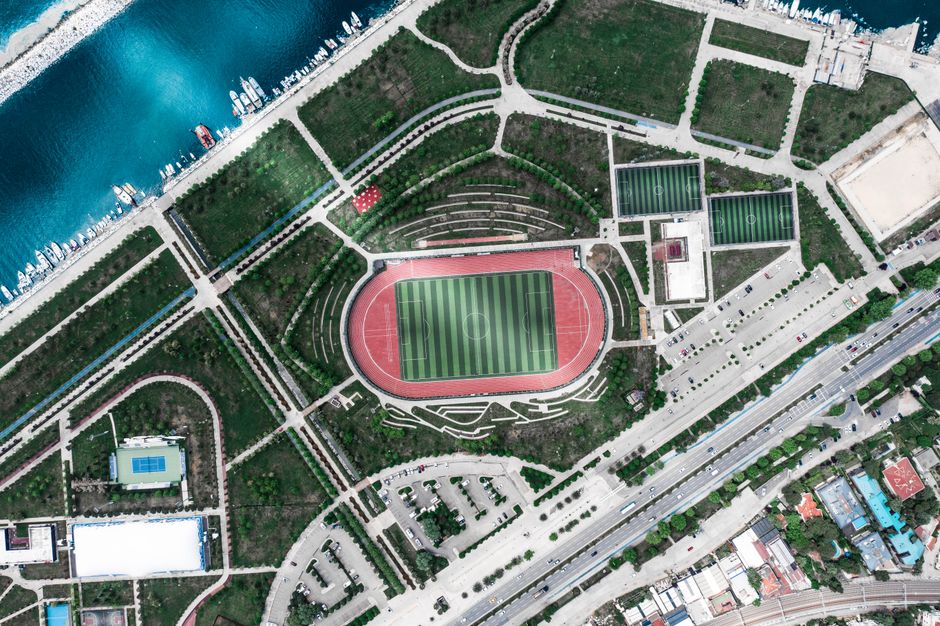
The infrastructure investment reflects confidence in this movement. Several municipalities have upgraded facilities around Sultanbeyli, Sancaktepe, and Ümraniye, allocating public funds to artificial pitches and floodlighting. The Bakırköy Municipal Sports Complex, renovated last year, now hosts six clubs and serves approximately 1,200 registered members weekly.
Yet challenges remain. Overcrowding at popular venues, volunteer burnout, and limited youth coaching certification programmes threaten sustainability. Still, football administrators and neighbourhood leaders emphasise that these clubs represent something vital in an increasingly fragmented urban landscape—spaces where a taxi driver's daughter plays alongside a shopkeeper's son, where identity extends beyond football club allegiance to genuine community membership.
As Istanbul continues rapid growth, these grassroots initiatives remind us that sport's greatest value often lies not in stadiums or television rights, but in the quiet, persistent work of building connection, one match at a time.
This article was compiled by AI from the sources linked above and screened before publishing. See our editorial standards.