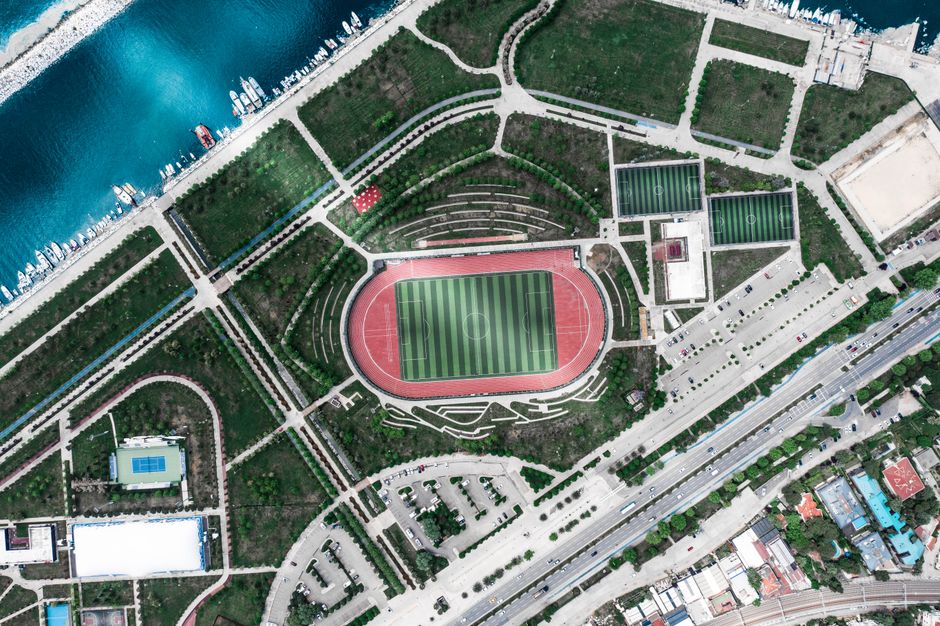
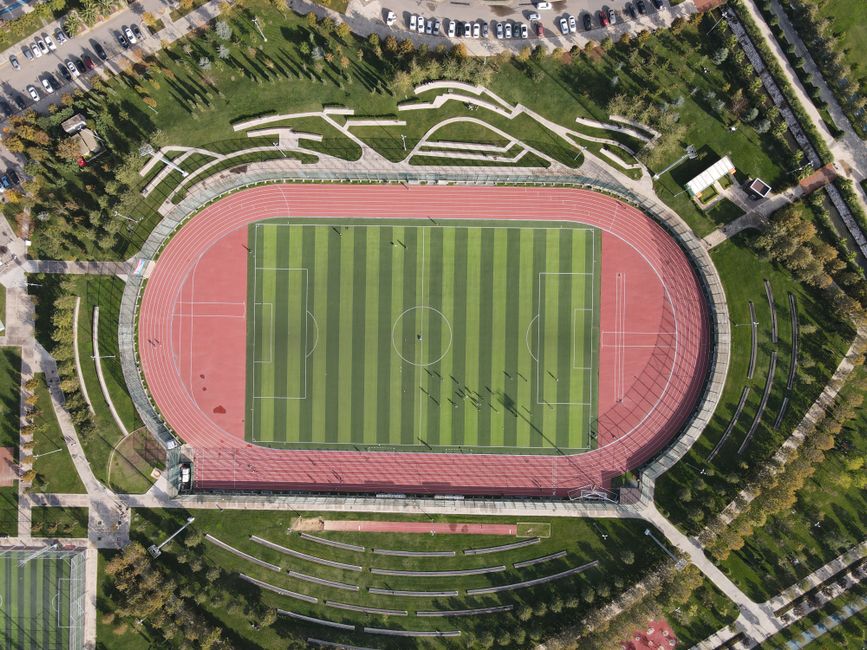
Walk through the narrow streets of Balat on a Saturday morning, and you'll hear the unmistakable thud of a football echoing off centuries-old stone walls. At the neighbourhood's modest Balat Community Sports Centre, a local club with roots stretching back three decades has become far more than a football team—it's become the social heartbeat of this historically vibrant district.
"We have forty-five registered players aged six to fifty-five," explains the club's administrative coordinator, speaking on behalf of the organisation. "But our real impact is in the families who gather here every week. Football is just the vehicle."
This story repeats across Istanbul's neighbourhoods. In Kadıköy's residential quarters, the Moda Youth Football Association operates on a shoestring budget of approximately 450,000 Turkish lira annually, yet manages five youth teams competing in regional divisions. Membership fees remain deliberately affordable—under 2,000 lira per season—ensuring economic barriers don't exclude families from participation.
The impact extends beyond the pitch. Local clubs have become de facto community centres in districts like Üsküdar and Fatih, where cultural integration and social cohesion initiatives are woven into weekly training schedules. Many clubs now operate literacy programmes for younger siblings while older athletes train, addressing educational gaps in working-class neighbourhoods.
Istanbul's district federations report remarkable growth. Over the past two years, neighbourhood-level registrations have increased by approximately eighteen percent, with particular surges among female participants. Girls' teams operating in areas like Şişli and Beşiktaş have grown from single squads to multiple age-group divisions, challenging traditional gender dynamics in Turkish grassroots sport.
Funding remains precarious. Most clubs depend on modest municipal grants, local business sponsorships, and volunteer labour. Yet this constraint has paradoxically strengthened community bonds. Parents volunteer as coaches and groundskeepers; local shopkeepers donate equipment; neighbouring businesses sponsor modest annual tournaments that draw hundreds of spectators.
"These aren't glamorous clubs chasing European football dreams," notes one observer familiar with Istanbul's grassroots landscape. "They're doing something arguably more valuable—they're creating belonging in a sprawling megacity where alienation is the constant danger."
As Istanbul's three major clubs continue their pursuit of continental glory, the city's hundred-plus neighbourhood football organisations quietly demonstrate that the sport's deepest value may lie not in stadium attendance or trophy cabinets, but in the ordinary magic of communities gathering weekly to play, compete, and simply exist together.
This article was compiled by AI from the sources linked above and screened before publishing. See our editorial standards.