Istanbul's sporting infrastructure is entering a critical phase ahead of the 2026-27 season, with both Türk Telekom Stadium in Ümraniye and Ülker Sports Hall in Ataköy undertaking substantial upgrades to meet the demands of continental competition. The 52,650-capacity Türk Telekom Stadium, home to Galatasaray, has recently completed enhanced security protocols and pitch improvements ahead of what promises to be a pivotal Champions League campaign, while the 16,000-seat Ülker hall is positioning itself as a premier destination for EuroLeague basketball's most decisive fixtures.
The timing is significant. With Fenerbahçe and Galatasaray both eyeing deep European runs this season, Istanbul's venues face unprecedented pressure to demonstrate world-class standards. Türk Telekom Stadium's recent €18 million renovation project—focused on VIP facilities along the west side and upgraded broadcasting infrastructure—reflects the city's ambitions to host major continental knockout stages. The venue's location on the E-5 highway provides crucial logistics advantages for the 350,000 daily commuters who traverse that corridor, yet parking capacity remains a persistent challenge that organisers continue to address.
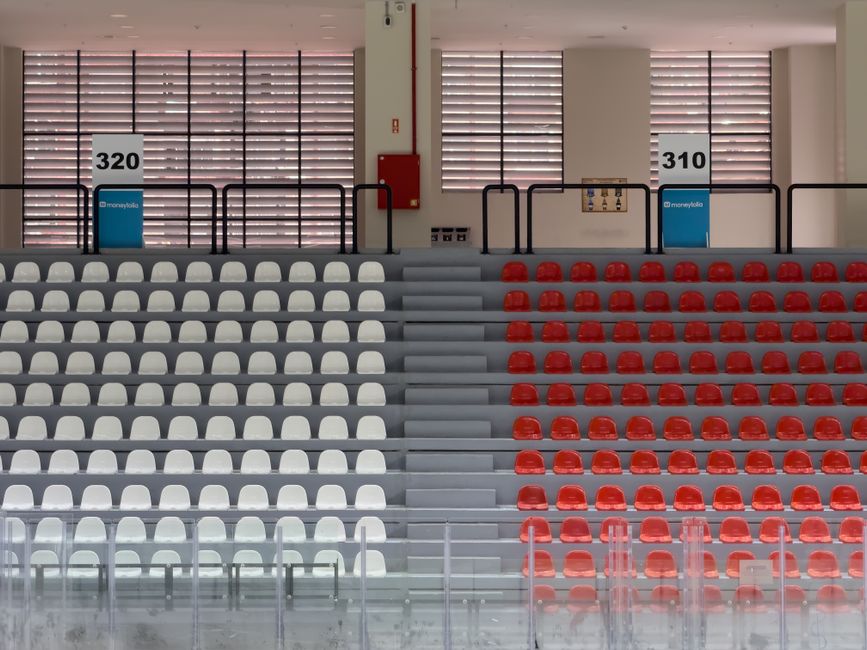
At Ülker Sports Hall, located just 8 kilometres from Taksim Square, basketball officials are confident the venue can compete for EuroLeague Final Four hosting rights. Recent upgrades to the climate control systems and acoustic panels have transformed the arena's capabilities for broadcast-quality competition. Season ticket holders report that Thursday night matchups against European rivals now command premium pricing—typically €85-120 for mid-court seats, reflecting heightened demand compared to the €45-65 baseline from three seasons ago.
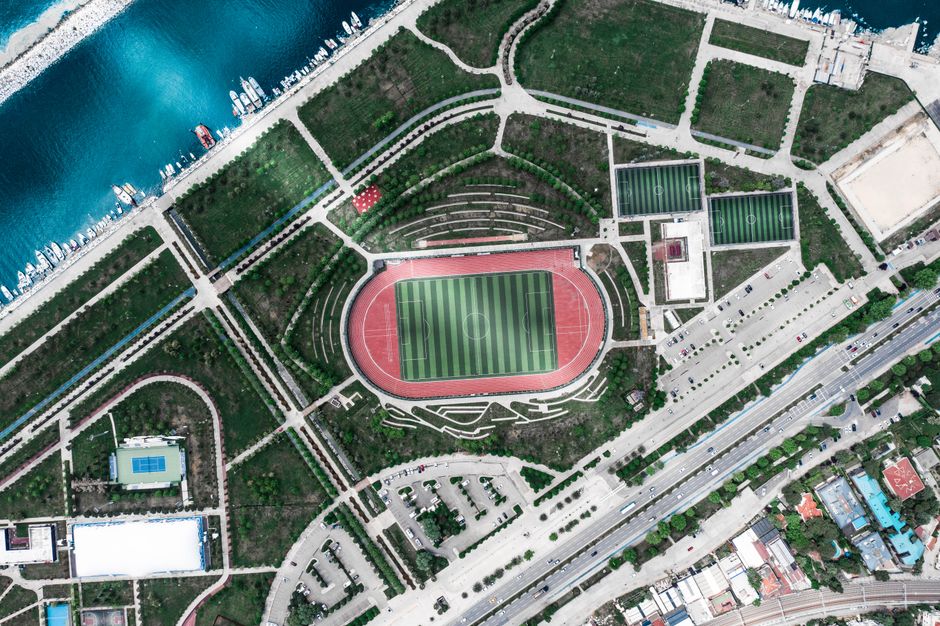
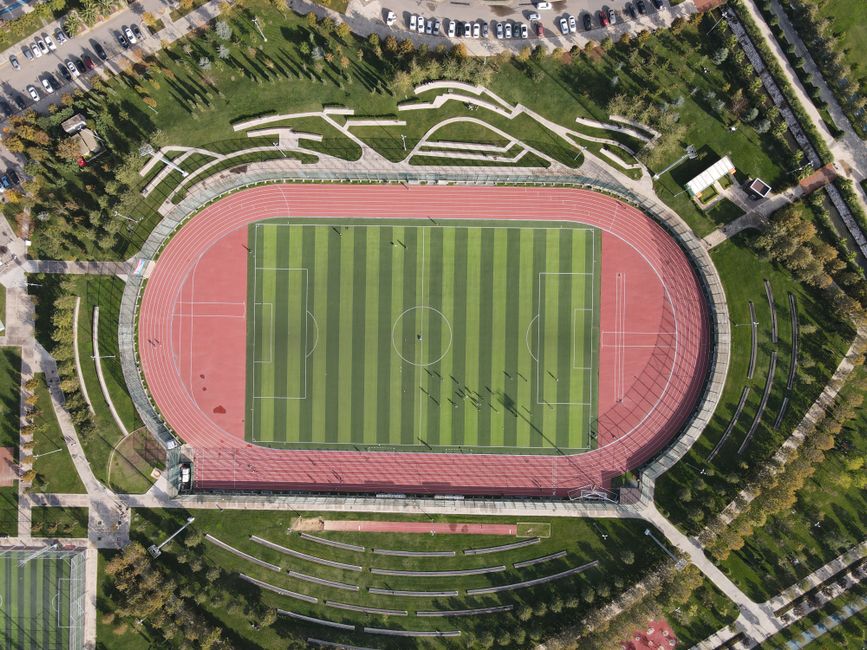
Beyond the flagship venues, the sprawling Atatürk Olympic Park complex in Zeytinburnu continues its evolution. While the Olympic Stadium (capacity 74,698) remains primarily a national team venue, its adjacent facilities host emerging sports and grassroots competitions that feed talent into Istanbul's professional ecosystem. The park's accessibility via metro line M1 makes it crucial infrastructure for developing the next generation of athletes who might eventually play at Türk Telekom or Ülker.
Local sports authorities estimate that hosting a single Champions League knockout tie generates approximately €4.2 million in hospitality revenue across the city—hotel bookings, transport, dining, and merchandise sales. As the 2026-27 season unfolds, Istanbul's stadiums aren't merely venues; they're economic engines and symbols of the city's place in European sport's hierarchy.
This article was compiled by AI from the sources linked above and screened before publishing. See our editorial standards.