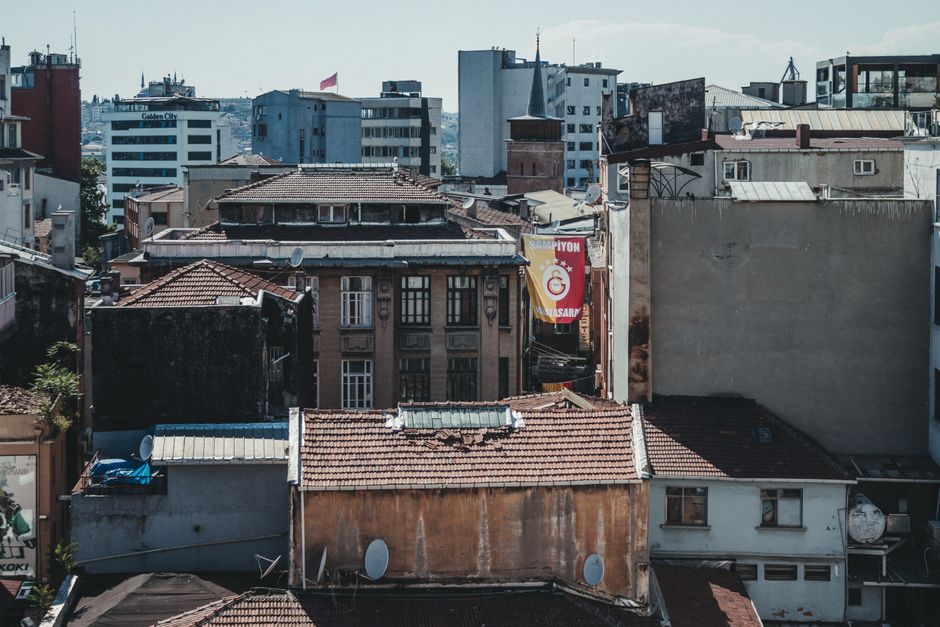
On a humid Tuesday evening in Beşiktaş, the futsal courts along Barbaros Boulevard hum with activity. Players in mismatched kits chase the ball across synthetic surfaces while supporters—many of them family members—cheer from the sidelines. This scene, replicated across Istanbul's neighbourhoods, tells a story often overshadowed by the city's elite football clubs and mega-stadiums: the recreational sports movement is booming.
Istanbul's amateur leagues have experienced remarkable growth over the past three years, with participation in registered recreational clubs rising by approximately 34% according to data from the Istanbul Metropolitan Municipality's Sport Department. What was once a casual after-work activity has evolved into a structured ecosystem of neighbourhood-based organisations that are reshaping how residents engage with physical activity and community life.
The transformation is most visible in traditionally working-class districts. In Kâğıthane, the Kâğıthane Spor Kulübü now operates six different recreational divisions across football, volleyball, and basketball, with membership fees ranging from 800 to 1,500 Turkish lira per season—deliberately kept affordable. The club's chairman oversees more than 200 active members, many of whom have developed genuine friendships extending far beyond the court.
"People aren't just joining for fitness," explains a spokesperson for Aksaray Gençlik ve Spor Derneği, one of the district's oldest recreational organisations. "They're looking for belonging, especially in a city as large and sometimes isolating as Istanbul." The club, which operates from a renovated community centre near Aksaray Mosque, hosts volleyball tournaments that attract teams from across the European side of the city.
Investment in infrastructure has accelerated this growth. The municipality has refurbished over forty neighbourhood sports facilities since 2023, with new courts and training grounds opening in Pendik, Maltepe, and Eyüp. Private investment has complemented public efforts, with independent clubs in Kadıköy and Nişantaşı offering membership-based recreational programmes that serve their affluent residential populations.
The social dividend extends beyond physical health metrics. Amateur sports clubs have become informal integration hubs, where immigrants, long-term residents, and recent arrivals share common ground. Several clubs now actively recruit women into previously male-dominated leagues, reflecting shifting cultural attitudes within Istanbul's diverse urban fabric.
As professional football dominates headlines and global attention, Istanbul's recreational sports renaissance quietly demonstrates that the true value of sports lies not in stadiums holding 75,000 spectators, but in neighbourhood courts where ordinary residents discover extraordinary community.
This article was compiled by AI from the sources linked above and screened before publishing. See our editorial standards.