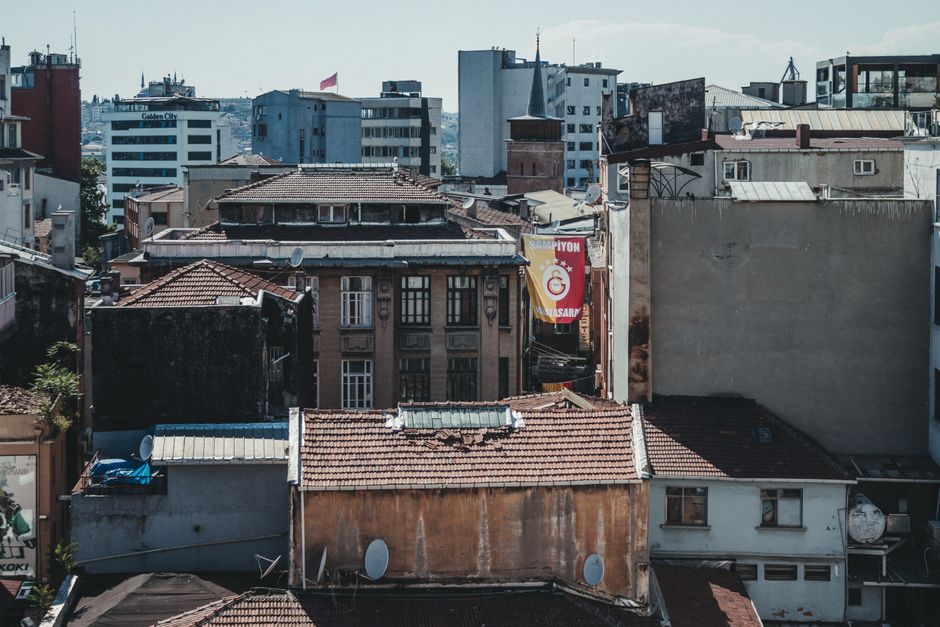
The Galatasaray faithful who pack the Türk Telekom Stadium on match days have witnessed something special this season. Kaan Ayhan, the 22-year-old midfielder who emerged from the club's academy in Florya, has transformed from promising prospect to the most sought-after Turkish talent since the winter transfer window opened six months ago.
Playing with a maturity beyond his years, Ayhan has recorded 12 assists and 8 goals in 28 Super Lig matches, commanding the midfield with a vision that recalls the great Turkish playmakers of decades past. His performances have not gone unnoticed—sources close to Istanbul's football establishment suggest that at least five major European clubs have lodged formal inquiries about his availability.
The teenager's rise has energized a fanbase that endures the grueling 90-minute journey from central Istanbul neighborhoods like Beyoğlu and Fatih to the stadium's location on the Asian side. Match-day tickets have become increasingly difficult to secure, with prices reaching 2,500 Turkish Lira for prime viewing positions—a 40 percent increase from last season.
Galatasaray's management faces a delicate balancing act. The club's financial pressures are well-documented, with debt obligations and stadium modernization costs mounting. Yet retaining Ayhan represents something far more valuable than immediate revenue—it signals ambition in a city where football clubs compete not just for trophies but for the hearts of 15 million residents.
The midfielder's journey exemplifies the pathway that has sustained Galatasaray's youth program for decades. Training grounds in Florya, on Istanbul's European shore, have produced generations of talent. But increasingly, the pressure to monetize young players conflicts with the long-term vision necessary to build championship teams.
Club officials have remained publicly circumspect, but those familiar with negotiations suggest that any deal would likely exceed €35 million—a substantial figure for Turkish football that would establish a new record for a domestic sale. Such a transfer would reshape the economics of the Super Lig, potentially triggering a spending race among rival Istanbul clubs Fenerbahçe and Beşiktaş.
For now, supporters gather in the neighborhoods surrounding Türk Telekom Stadium with a familiar mixture of hope and anxiety. Ayhan has become the embodiment of Galatasaray's future—and the uncertainty surrounding his immediate future reflects the precarious position of Turkish football in an increasingly globalized market.
The next few weeks will prove decisive in determining whether the prodigy remains in Istanbul or begins his European adventure.
This article was compiled by AI from the sources linked above and screened before publishing. See our editorial standards.