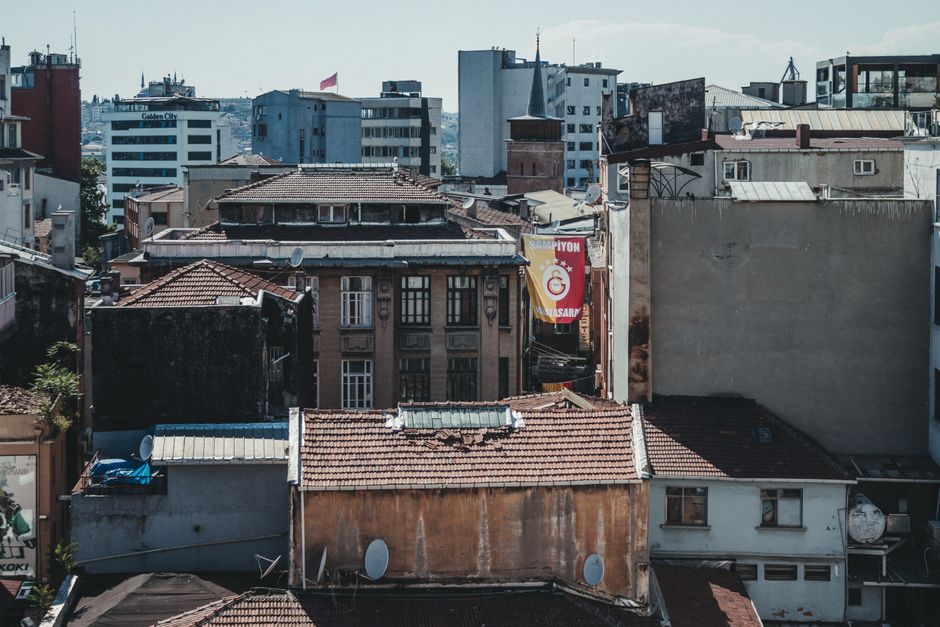
On a Thursday evening in Balat, the narrow cobblestone streets near the Ayvansaray neighbourhood echo with an unlikely sound: the rhythmic clinking of climbing carabiners and the encouraging shouts of belayers guiding their partners up an indoor wall. What began in 2016 as an informal gathering of five friends in a converted warehouse on Çukurcuma Street has evolved into a sprawling grassroots movement that now encompasses over 3,500 active climbers across Istanbul's neighbourhoods.
"We started because commercial climbing gyms were charging 150 lira per session," recalls the founding philosophy of Kaya Collective, one of the city's largest community-driven organisations. "That price point locked out students and working-class climbers." Today, membership at community climbing spaces averages 40-60 lira monthly, a fraction of what corporate gyms demand. The movement has democratised access to a sport once perceived as exclusive.
The infrastructure tells a powerful story. Beyond Balat's original hub, climbing communities now operate from repurposed spaces in Kadıköy, Cihangir, and the industrial districts of Eyüpsultan. A 2024 survey by the Istanbul Sport Tourism Association documented 12 active grassroots climbing collectives, up from just two in 2020. Equipment-sharing networks have reduced individual startup costs from 800 lira to roughly 200 lira—a critical factor enabling participation among younger demographics.
What distinguishes this movement from top-down sports development is its volunteer-driven model. Certified climbers provide free instruction; route-setters design new challenges during weekend workshops; safety committees operate independently of municipal oversight. This self-governance structure has proven remarkably resilient, even as Istanbul's real estate pressures have shuttered three original venues since 2023.
The social impact extends beyond sport statistics. Community climbing spaces have become informal social infrastructure in neighbourhoods experiencing demographic change. Balat's climbing scene, for instance, now bridges established residents with young professionals and international residents—groups that rarely interact in Istanbul's increasingly fragmented urban landscape.
Yet challenges remain. Access to suitable buildings in central Istanbul grows scarcer as property values soar. Insurance costs and liability concerns complicate venue operations. The absence of formal municipal recognition means grassroots organisations receive no public funding, relying entirely on member contributions.
Still, the movement persists. This June, Kaya Collective organised the Istanbul Community Climbing Festival, attracting 400 participants across three neighbourhoods—proof that sometimes the most transformative urban sports movements grow not from investment capital or marketing campaigns, but from the stubborn determination of people who simply want to climb.
This article was compiled by AI from the sources linked above and screened before publishing. See our editorial standards.