Istanbul's transformation into one of Europe's premier sporting destinations rests not on tradition alone, but on substantial investment in world-class facilities and infrastructure that now rivals major continental rivals. The city's sporting venues have undergone remarkable modernisation over the past decade, positioning the metropolitan area as both a competitive force and an attractive destination for international events.
Vodafone Park in Besiktas stands as the flagship example. Completed in 2016 on the European side, the 41,903-capacity stadium cost approximately €450 million and incorporates advanced drainage systems, a retractable pitch cover, and cutting-edge broadcast facilities. Its proximity to the Bosphorus—visible from premium seating sections—combines spectacle with functionality. Across the city, Fenerbahçe's Ulker Stadium in Kadikoy accommodates 50,530 supporters and has hosted European fixtures since its 2008 opening, while Galatasaray's Nef Stadium, though smaller at 19,000 capacity, serves the Cim Bom faithful in Sutluce.
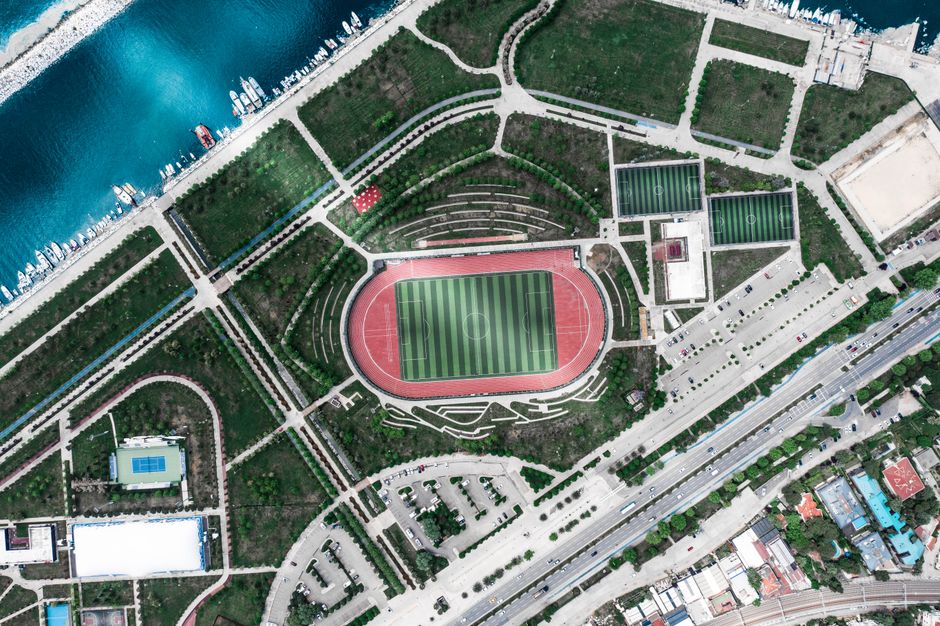
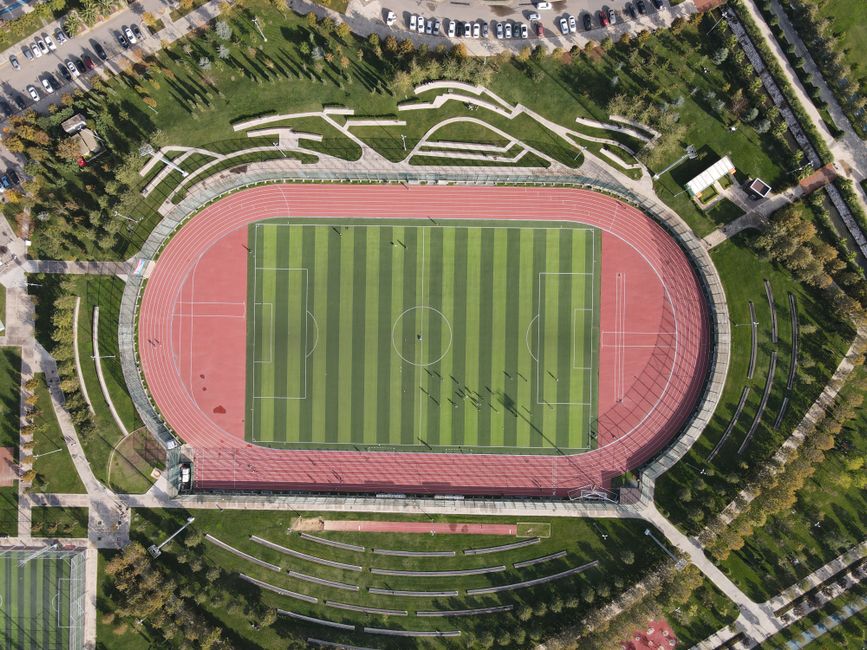
Beyond the headline venues, Istanbul's infrastructure ecosystem supports competitive sport throughout its 39 districts. The Besiktas Municipality has invested in renovation of neighbourhood-level facilities, with public sports centres now dotting areas like Ortakoy and Besiktas proper. The city hosts the Turkish Athletics Federation's national training centre in Edirnekapı, where Olympic-standard track facilities accommodate emerging talent. Meanwhile, the Istanbul Chamber of Commerce and Industry maintains partnerships with private operators to ensure high-standard gym and conditioning facilities across commercial districts.
Transportation connectivity underpins the entire system. The M2 and M6 metro lines serve major stadiums, reducing congestion during matchdays. The Marmaray rail tunnel, completed in 2013, connects Asian and European sporting hubs, enabling cross-city accessibility for training and competition.
Investment figures tell the story: municipal sports budgets across Istanbul's major local administrations exceeded $120 million annually as of 2025, with private clubs contributing additional hundreds of millions. Youth academies at major clubs—Fenerbahçe's Sukru Saracoglu complex in Asiatic Istanbul and Besiktas's facilities in Acibadem—operate under UEFA Category 1 standards.
Yet challenges persist. Maintenance cycles for aging facilities demand continuous attention, while demand for modern training grounds outpaces supply in premium locations. Nevertheless, Istanbul's current infrastructure foundation positions the city not merely as a sporting consumer, but as a serious contender for continental and international tournament hosting.
This article was compiled by AI from the sources linked above and screened before publishing. See our editorial standards.