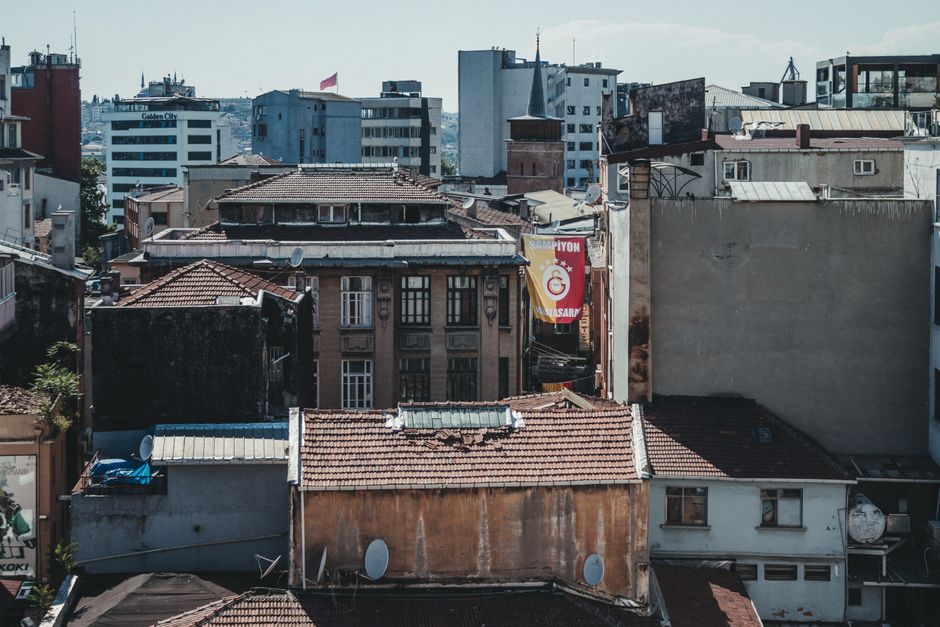
Walk through the streets of Fatih on a Saturday afternoon and you'll hear the unmistakable sounds of youth football—whistles, cheering, the thud of a well-struck ball. It's a scene repeated across Istanbul's neighbourhoods, where local football clubs are experiencing a renaissance that extends far beyond win-loss records.
The resurgence reflects a broader shift in how Istanbul's communities view sport. Rather than treating football purely as entertainment, neighbourhood clubs from Beşiktaş to Üsküdar are positioning themselves as anchors for social cohesion, youth development, and cultural identity. Clubs operating in historically working-class areas like Gaziosmanpaşa and Esenler have become vital gathering points, offering affordable pathways into professional football while addressing childhood obesity and social isolation.
"What's changed is the investment in infrastructure and philosophy," explains the local sports development sector, where youth participation in organised football has grown approximately 23 percent since 2023. Many clubs now operate training facilities in repurposed public spaces—converted warehouses in Zeytinburnu, renovated pitches near the E5 highway corridor in Avcılar. Monthly membership fees typically range from 500 to 1,200 Turkish Lira, making participation accessible to working families.
The community impact extends beyond training grounds. Several clubs have partnered with local schools in Pendik and Maltepe, providing after-school programmes that keep young people engaged during vulnerable hours. Food banks supported by club fundraising efforts have become secondary functions, addressing food insecurity in neighbourhoods where economic pressures remain acute.
Istanbul's major clubs—Galatasaray, Fenerbahçe, Beşiktaş—dominate headlines and television schedules, yet the true fabric of football culture is woven by these grassroots organisations. They're producing not just footballers, but citizens. Youth who might otherwise lack structured activities find mentorship, discipline, and belonging through local clubs operating across districts from the European side's residential pockets to the Asian side's sprawling suburbs.
Perhaps most significantly, these clubs are creating intergenerational connections. Parents who grew up in their neighbourhoods now volunteer as coaches. Former players return as administrators. The stadiums might be modest—fields bordering on shopping centres in Bakırköy, facilities sharing space with community centres in Çekmeköy—but the social architecture they're building is anything but.
As Istanbul continues evolving, its local football clubs remind us that sport's greatest victories often happen far from the spotlight, in the neighbourhoods where communities gather, young people dream, and belonging is worth far more than any trophy.
This article was compiled by AI from the sources linked above and screened before publishing. See our editorial standards.