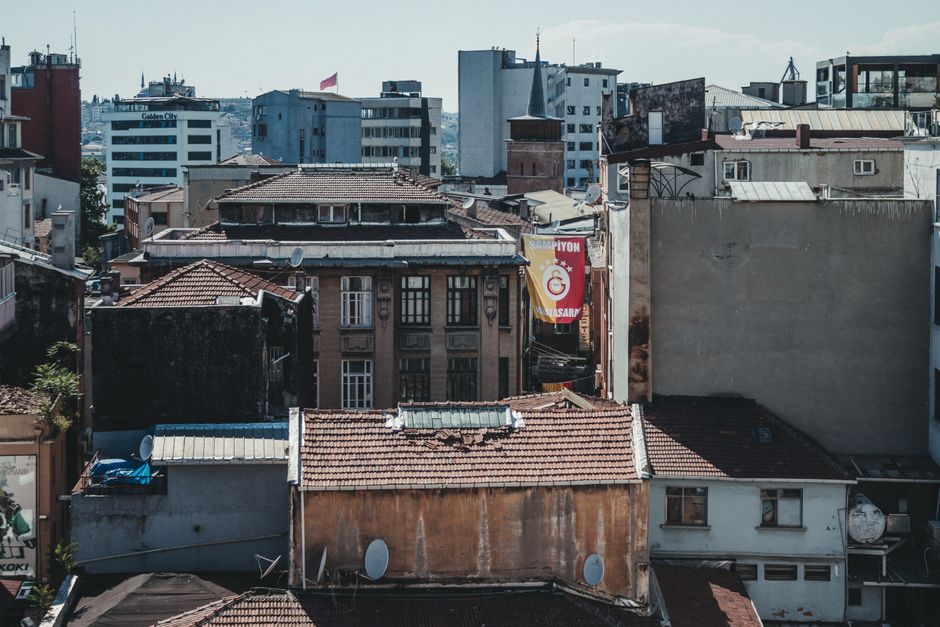
Istanbul's fitness landscape has undergone a dramatic transformation over the past five years, with investment in gym facilities and sports infrastructure accelerating across the city's most dynamic neighbourhoods. The shift reflects broader global trends toward wellness and preventative health, but what distinguishes Istanbul's emergence is the sheer diversity and accessibility of facilities now available to residents and visitors alike.
The Beşiktaş waterfront district has become particularly emblematic of this change. Large-scale fitness complexes offering everything from Olympic-standard weight training areas to swimming pools, sauna facilities, and CrossFit boxes have proliferated along the Bosphorus, transforming what were once industrial spaces into premium wellness destinations. Monthly memberships at these flagship venues typically range from 500 to 1,500 Turkish lira, making them accessible to Istanbul's growing middle class while remaining competitive with London or Berlin pricing.
Meanwhile, boutique fitness culture—high-intensity interval training, yoga studios, and functional fitness—has taken hold in Kadıköy and Cihangir, where younger demographics seek specialized, community-driven training environments. These smaller studios, often occupying converted residential spaces in centuries-old buildings, charge 300-800 lira per session or package memberships, representing a distinct market segment catering to professionals seeking flexible, targeted workouts.
The municipal government's investment in public sports infrastructure has equally contributed to democratizing fitness access. The Istanbul Metropolitan Municipality has upgraded numerous neighbourhood sports halls (spor salonları) throughout Fatih, Aksaray, and Pendik, offering subsidized memberships at 100-200 lira monthly for residents. These facilities, while more spartan than private alternatives, provide essential training grounds for amateur athletes and community members with limited budgets.
Swimming remains integral to Istanbul's fitness culture, given the city's unique geographic position. Beyond private club facilities, public pools in Zeytinburnu and Bakırköy serve thousands daily, with lanes designated for serious swimmers and recreational swimmers operating on separate schedules during peak hours.
Infrastructure gaps persist, however. East-side neighbourhoods like Ümraniye and Maltepe, home to hundreds of thousands of residents, remain underserved relative to wealthier districts. Transport connectivity between major fitness hubs and residential areas also remains inconsistent, limiting access for those relying on public transportation.
Nevertheless, the overall trajectory is unmistakable: Istanbul's fitness infrastructure is expanding rapidly, driven by both commercial investment and public sector commitment. For a city navigating global economic pressures, this represents a significant quality-of-life upgrade—and a recognition that world-class sports facilities have become essential to metropolitan competitiveness.
This article was compiled by AI from the sources linked above and screened before publishing. See our editorial standards.