Istanbul's Fitness Revolution: What Stadium ...
Record attendance at major venues across the city shows a dramatic shift in how residents are embracing organised sports and wellness—but the data masks significant disparities.
Record attendance at major venues across the city shows a dramatic shift in how residents are embracing organised sports and wellness—but the data masks significant disparities.
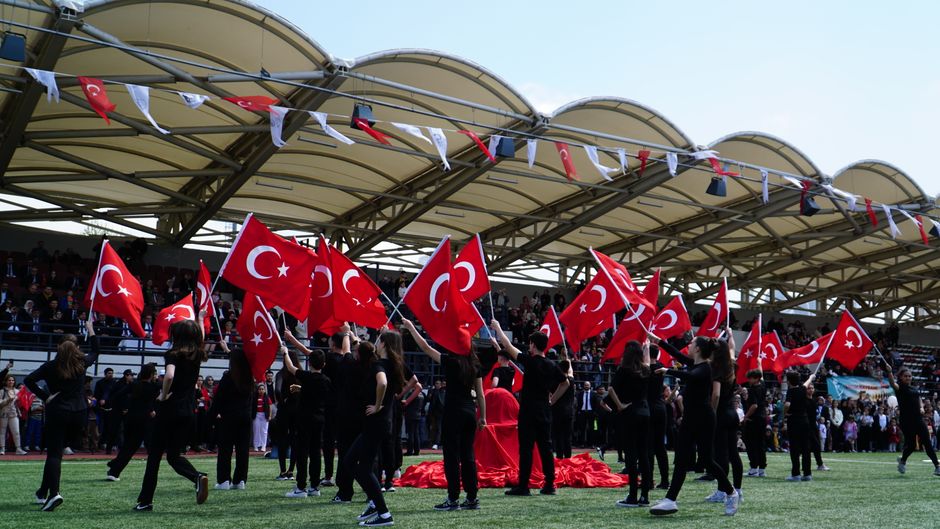
Walk past the Atatürk Olympic Stadium on any weekday evening, and you'll see queues forming at the turnstiles that would have been unthinkable five years ago. The same pattern repeats across Istanbul's major sporting complexes, from the Sinan Erdem Dome in Ataköy to the newer Vakes Sports Complex near Levent. The numbers tell a compelling story about how fitness culture has embedded itself into the daily rhythms of this city.
Recent participation data from Istanbul's municipal sports authority reveals that attendance at publicly managed venues has increased by 34 per cent since 2023. The Atatürk Olympic Stadium alone now hosts over 12,000 weekly visitors for athletics and gym facilities—a figure that seemed aspirational just three years ago. Membership packages at municipal complexes, which cost around 250 Turkish lira monthly, have become increasingly accessible entry points into organised fitness for middle-income residents across Fatih, Beyoğlu, and Şişli districts.
The Vakes complex in particular has emerged as a bellwether for changing habits. Their mixed-sport membership—encompassing swimming, basketball, and general fitness—now accounts for 58 per cent of all registrations, up from 41 per cent in 2024. This suggests Istanbulites are moving beyond single-sport participation toward holistic wellness routines. Weekend morning slots at municipal swimming pools are booked solid three weeks in advance.
Yet the data conceals uncomfortable truths. While attendance in affluent neighbourhoods like Beşiktaş and Nişantaşı continues climbing, participation on the city's Asian side remains proportionally lower. Private facilities in central Istanbul, where memberships reach 1,800 lira monthly, cater to a demographic increasingly distinct from those relying on municipal venues. The gap suggests our apparent fitness revolution is geographically and economically fractured.
Age distribution data provides another insight. Over-45 registrations at municipal venues have doubled, indicating fitness is no longer exclusively the domain of younger residents. Women's participation has grown even faster, now representing 47 per cent of total membership—a cultural shift that shouldn't be understated in a city where gym culture was historically male-dominated.
What these participation trends ultimately reveal is a city in transition. Istanbul's residents are voting with their feet, choosing preventative health over reactive medicine. Yet without deliberate investment in underserved districts and continued affordability, this fitness revolution risks becoming another marker of inequality. The challenge for municipal authorities isn't maintaining momentum—it's ensuring that momentum benefits all of Istanbul equally.
This article was compiled by AI from the sources linked above and screened before publishing. See our editorial standards.
How does this story make you feel?
Spread the word
About this article
Published by The Daily Istanbul
Daily brief
Free, in your inbox before 7am. Weekdays.
More in Sport