The numbers tell a striking story about Istanbul's evolving relationship with fitness and sport. Municipal data released this month indicates that participation in organised sports activities across the city has surged 34 per cent over the past three years, with particular momentum in neighbourhoods once considered peripheral to the city's traditional athletic landscape.
Fatih district, home to the historic Sultanahmet quarter, has seen gym membership applications jump 47 per cent since 2023, according to figures from the Istanbul Metropolitan Municipality's Sports Department. Meanwhile, recreational football leagues in Beşiktaş and Kadıköy—traditionally working-class areas with strong grassroots traditions—have expanded waiting lists by nearly 60 per cent. Average membership fees at municipal facilities now range from 450 to 750 Turkish lira monthly, making organised fitness accessible to middle-income households across the city's sprawl from the European side to Üsküdar on the Anatolian shore.
The data suggests something more profound than simple trend-chasing. Women's participation in team sports has climbed particularly steeply, with female volleyball and basketball registrations up 72 per cent. Women's-only gym facilities in Şişli and Bakırköy report waiting periods of four to six weeks. This shift reflects broader demographic changes in Turkish society, but it's most visible here in Istanbul's competition for leisure time and cultural identity.
Running clubs have proliferated along the Golden Horn waterfront and through Sultanbeyli's parks, with parkrun-style initiatives attracting crowds of 200-plus participants on weekend mornings. Group fitness classes—from pilates studios in Nişantaşı to CrossFit boxes in Maslak's business district—now constitute nearly 18 per cent of all sport centre usage, compared to 7 per cent five years ago.
Perhaps most revealing is the demographic spread. Age-group participation data shows that 45-60 year-olds represent the fastest-growing segment, accounting for 41 per cent of new registrations. This suggests that Istanbul's fitness culture is not primarily driven by youth trends but by a city-wide commitment to lifelong activity—a significant departure from patterns seen in earlier decades.
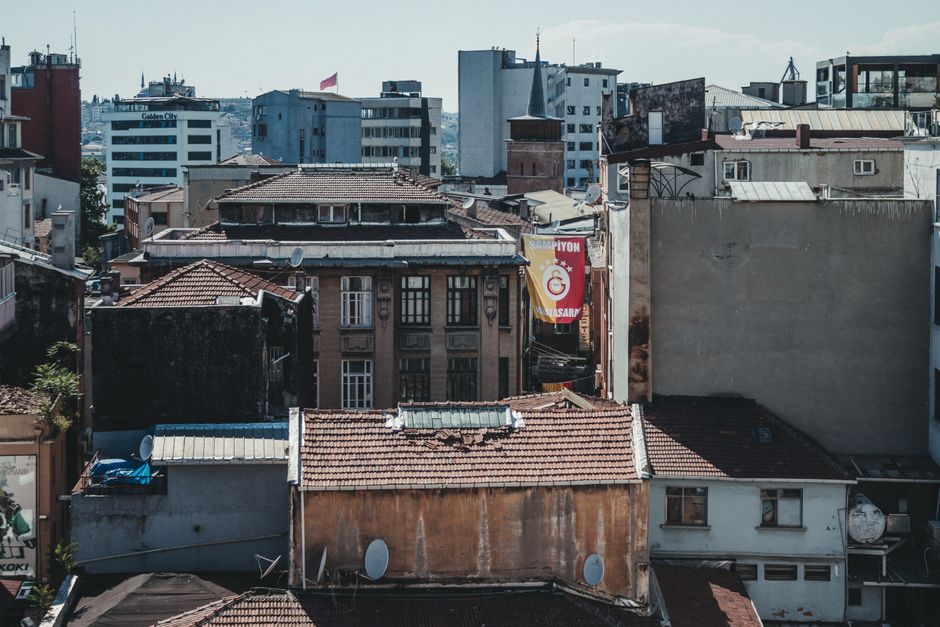
The football clubs remain central to Istanbul's sporting identity, yet this participation surge indicates the city is developing a more diversified, inclusive athletic ecosystem. Whether this momentum sustains beyond the current growth cycle will likely depend on continued investment in accessible facilities and programming that reflects the city's genuine diversity.
This article was compiled by AI from the sources linked above and screened before publishing. See our editorial standards.