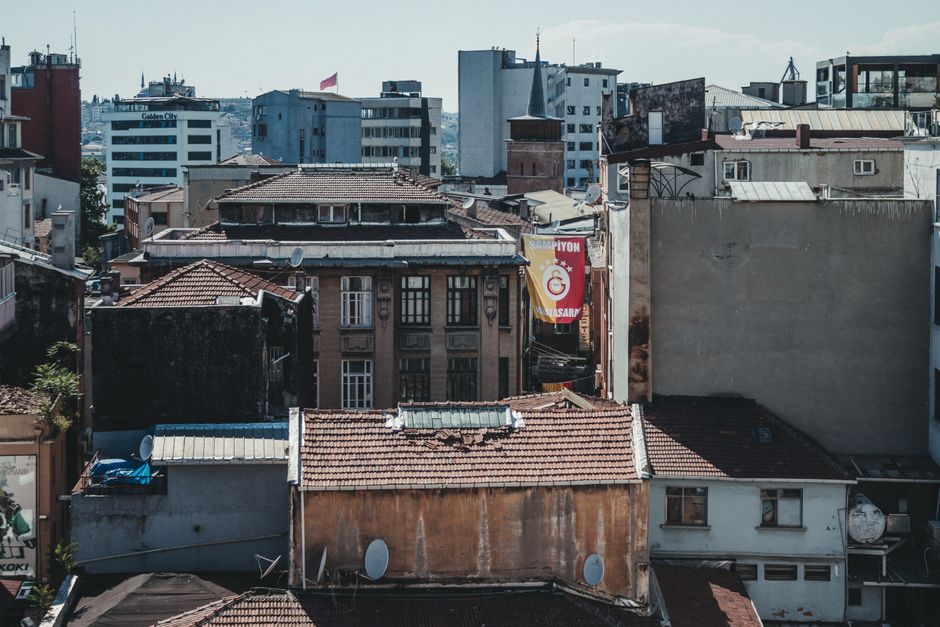
Walk down Abdi İpekçi Avenue in Besiktaş on any weekday morning, and you'll see the infrastructure boom that's quietly reshaping Istanbul's fitness landscape. The neighbourhood—long known as a hub for serious athletes and casual gym-goers alike—now hosts a dense network of facilities ranging from boutique CrossFit boxes to sprawling multi-storey fitness complexes.
This expansion reflects a broader cultural shift. According to fitness industry analysts tracking the Turkish market, Istanbul's gym membership base has grown approximately 35% over the past four years, with membership fees for premium facilities now ranging from 500 to 2,500 Turkish Lira monthly. The infrastructure supporting this growth tells a compelling story about how the city is investing in health and sport at a grassroots level.
In Kadköy on the Asian side, independent gym operators have capitalised on neighbourhood demand by converting old warehouses into functional training spaces. These venues—equipped with Olympic lifting platforms, rowing machines, and functional fitness areas—serve a distinctly local clientele. Meanwhile, chains like Gold's Gym and local operators have established significant presences along the Bosphorus corridors, with facilities in Ortaköy, Bebek, and Arnavutköy catering to both residents and commuters.
The infrastructure supporting women's fitness has particularly accelerated. Women-only training hours and dedicated facilities across Taksim, Nişantaşı, and Şişli have become standard offerings, reflecting changing demand patterns. Municipal sports centres in Fatih and Eyüp Sultan also continue serving budget-conscious communities, though facility quality varies significantly.
What distinguishes Istanbul's current moment is the integration of technology and community. Many facilities now feature app-based booking systems, performance tracking, and integrated nutrition coaching—infrastructure innovations that were largely absent five years ago. The sprawling complexes near Maslak's business district have become lifestyle destinations rather than mere training spaces, with swimming pools, saunas, physiotherapy clinics, and juice bars standard inclusions.
However, infrastructure gaps remain. Outside central neighbourhoods, facility density drops sharply. Eastern districts like Maltepe and Pendik have seen investment, but the ratio of equipment-to-population remains lower than western areas. Public swimming facilities, a cornerstone of Istanbul's historical sports infrastructure, have seen inconsistent maintenance and investment.
As Istanbul continues its urban evolution, the fitness infrastructure being built today—from modern equipment standards to neighbourhood accessibility—will likely define how the city's next generation approaches sport and health. The trajectory suggests continued investment, though equitable distribution across all neighbourhoods remains an ongoing challenge for both private operators and municipal authorities.
This article was compiled by AI from the sources linked above and screened before publishing. See our editorial standards.