Walk through Kadıköy on any Saturday morning and you'll find them—children in mismatched kits, parents on the sidelines, the familiar percussion of a leather ball striking concrete. Istanbul's local football clubs have become far more than weekend recreational outlets; they're becoming the social glue binding together neighbourhoods that sprawl across two continents.
The resurgence is tangible. Community clubs operating in districts like Beşiktaş, Fatih, and Üsküdar have reported membership increases of up to 40 per cent over the past eighteen months, according to Istanbul Metropolitan Municipality's recent community sports initiative. Fees for youth programmes typically range between 800-1,500 Turkish lira per season—affordable enough to welcome families across economic backgrounds.
Take the grassroots structure emerging around the Taksim area. Where tourist crowds dominate the narrative, local clubs have carved out meaningful space on the Maçka pitches and surrounding grounds. These aren't glamorous venues, but they've become anchor points for working families, Syrian refugees integrating into Turkish society, and second-generation immigrant communities finding belonging through the universal language of football.
"The clubs are doing what institutions sometimes cannot," explains one Istanbul-based youth development coordinator. "They're creating safe spaces, teaching discipline, building friendships across ethnic and religious lines." Youth academies in Şişli and Beşiktaş have opened doors to children from underserved neighbourhoods, with several graduates now playing in semi-professional leagues.
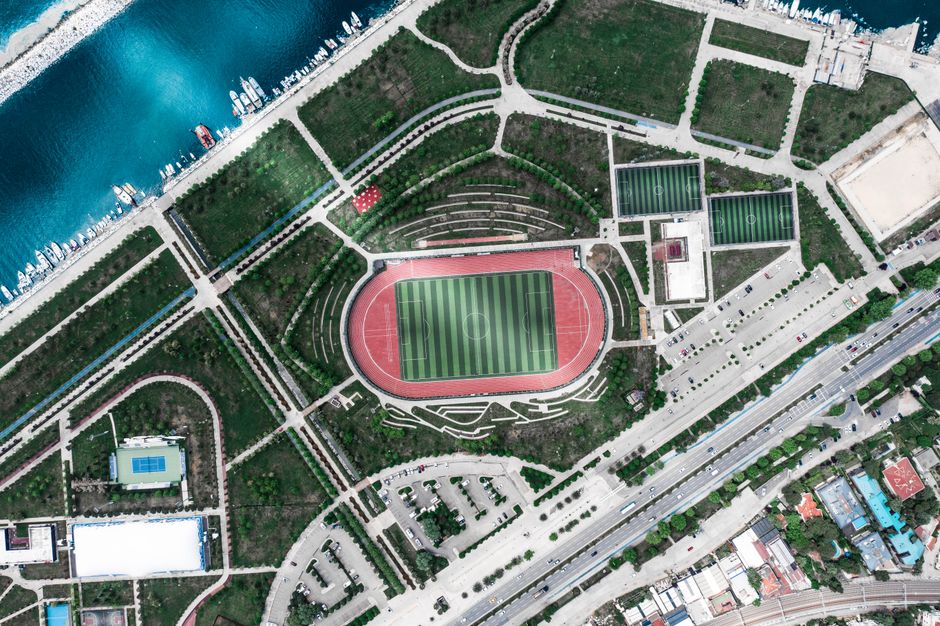
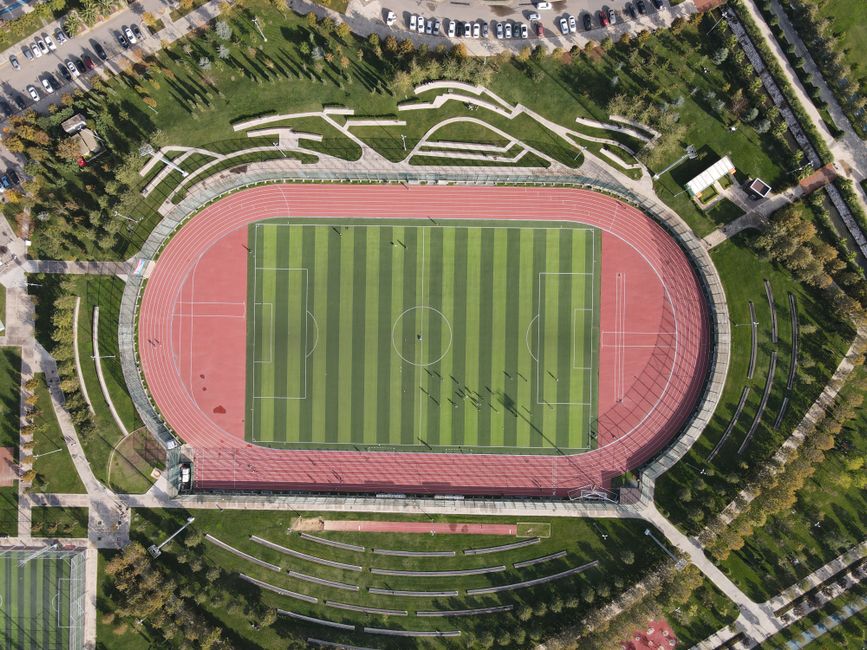
The infrastructure matters too. Investment in pitches across Bakırköy, Zeytinburnu, and Avcılar—traditionally working-class districts—has democratised access to quality facilities. What once required connections or significant expense is now increasingly available to anyone with enthusiasm and modest fees.
Beyond the pitch, these clubs function as community hubs. Match days bring families out; volunteer positions engage parents; social events strengthen neighbourhood bonds. The Istanbul Football Association reports approximately 18,000 registered youth players across affiliated amateur clubs, a number climbing steadily.
Success hasn't been automatic. Clubs navigate challenges—limited sponsorship, ageing infrastructure in some areas, competition from screens and digital entertainment. Yet momentum persists. Local administrators credit sustained grassroots investment, passionate volunteers, and growing recognition that football's deepest value isn't measured in league tables or trophy cabinets.
As Istanbul expands and modernises, these neighbourhood clubs remind residents that sport's greatest triumph often happens where nobody's watching—in the dusty pitches of Gaziosmanpaşa, the riverside grounds of Eyüp, and the concrete courts of a hundred other ordinary neighbourhoods where extraordinary community unfolds.
This article was compiled by AI from the sources linked above and screened before publishing. See our editorial standards.