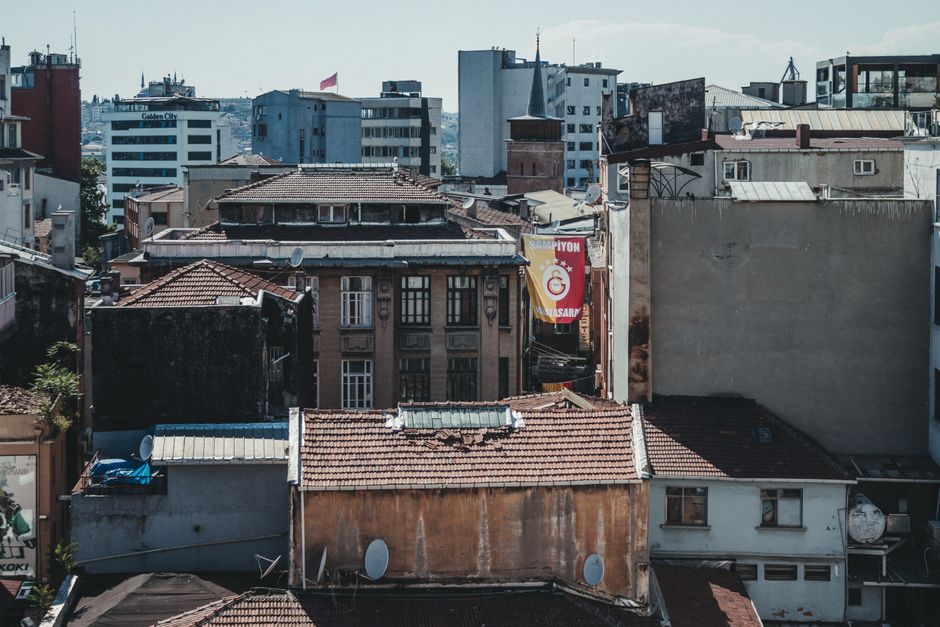
Walk along the Bosphorus promenade in Beşiktaş on any weekday evening, and you'll spot dozens of joggers, cyclists, and rowing crews—many part of informal clubs that have quietly become the social fabric of Istanbul's neighbourhoods. These aren't elite athletes; they're teachers, shopkeepers, and office workers who've found community through organised recreational sport.
The growth is striking. Amateur football leagues alone now operate in more than forty neighbourhoods across Istanbul, with clubs like Fatih United and Beyoğlu Athletic organising weekly matches on municipal pitches. Membership fees typically run between 150 and 300 Turkish Lira per month—accessible enough that participation has grown roughly 35% over the past three years, according to informal surveys by the Istanbul Amateur Sports Federation.
In Kadıköy, the Moda Sailing Club has expanded its membership from 120 to 340 people since 2023, largely through weekend group sessions that attract both serious enthusiasts and complete beginners. The club operates from a modest facility near the waterfront, charging around 400 Lira monthly. "We've created something that didn't exist before—a reason for people to know their neighbours," one long-time member noted.
Basketball has seen similar momentum. The Şişli Community Court, renovated in 2024 with local funding, now hosts five different clubs running leagues for different age groups and skill levels. Games draw spectators—parents, siblings, friends—turning the court into an informal gathering space on Tuesday and Thursday nights.
What's particularly notable is how these clubs operate as integration points. In Taksim's increasingly fragmented urban landscape, the Istanbul Runners collective has grown to over 600 members who meet for group runs three times weekly, creating genuine connection across professional and social divides. Similarly, cycling clubs operating along the Belgrade Forest routes and around the Theodosian Walls have become popular with expatriates and Turkish residents alike.
Municipal support has helped. The Istanbul Metropolitan Municipality allocated increased budget to neighbourhood sports facilities in 2025, though coaches and organisers remain largely volunteer-driven. Most clubs operate on razor-thin margins, relying on member fees and occasional sponsorship from local businesses.
The impact extends beyond sport itself. Crime reports in neighbourhoods with active amateur clubs show measurable differences, youth engagement improves, and—perhaps most importantly—residents report stronger neighbourhood identity. In a sprawling city of 16 million, where anonymity often prevails, these grassroots organisations are quietly proving that organised recreation builds the connective tissue modern urban life requires.
This article was compiled by AI from the sources linked above and screened before publishing. See our editorial standards.