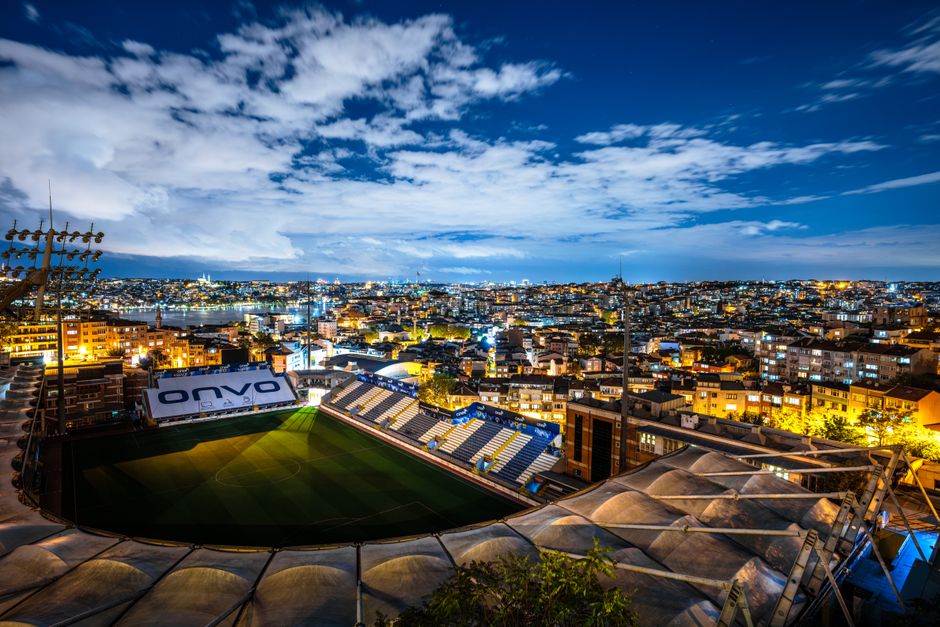
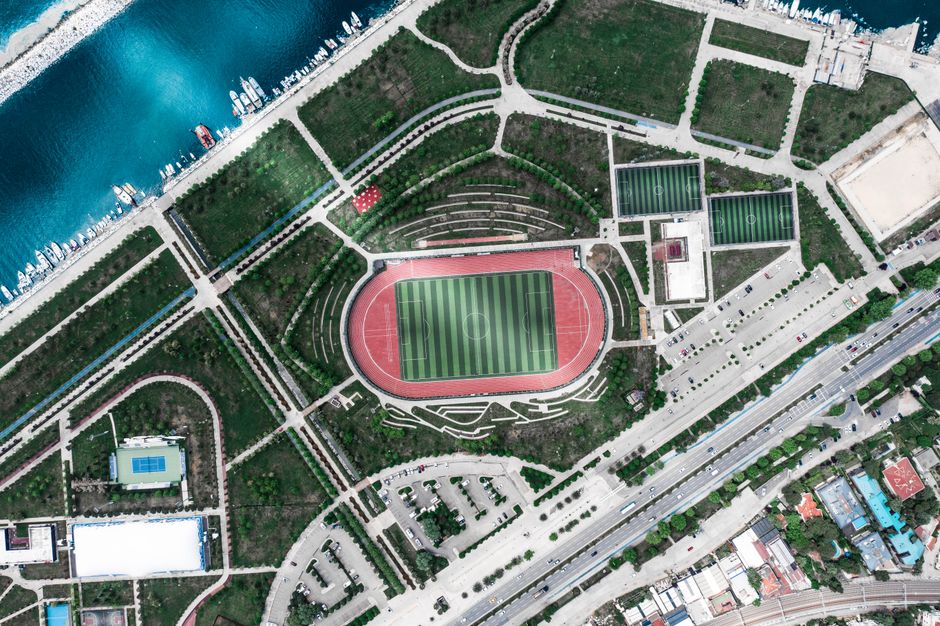
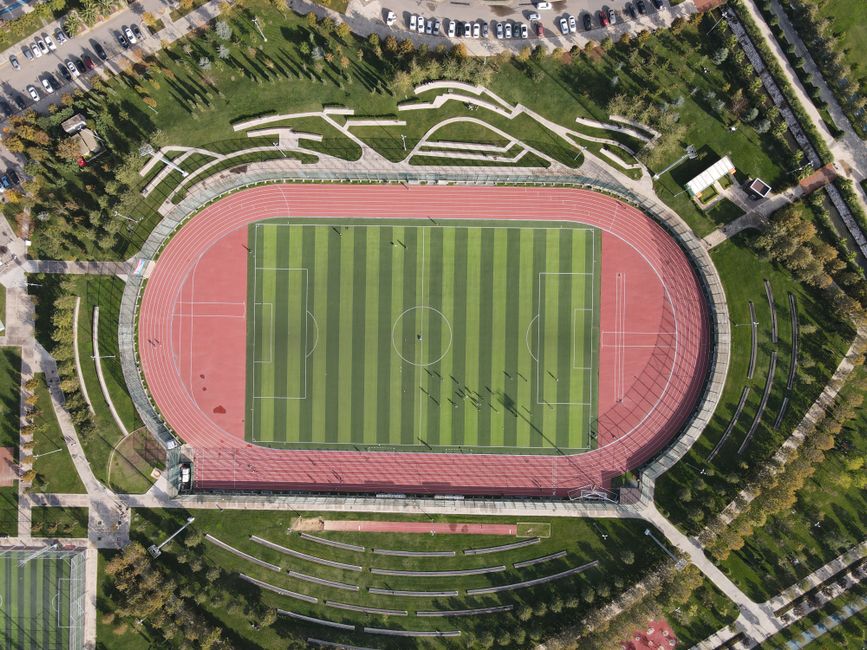
Walk along the tree-lined streets of Kadıköy on any Sunday morning, and you'll find them: clusters of young players in mismatched kits, parents cheering from the sidelines, volunteers marking out pitches with cones at the Fenerbahçe Sports Park. This is where Istanbul's real football revolution is happening—not in the gleaming stadiums of Şükrü Saraçoğlu, but in the neighbourhoods where communities are rebuilding themselves through the sport.
Over the past three years, grassroots football clubs across Istanbul have seen participation surge by 34%, according to data from the Istanbul Sports Federation. In Üsküdar, the community-run club Üsküdar FK has grown from a ragtag team of 40 players to over 280 registered members across seven age groups. "Football is the language everyone speaks here," says the club's development officer, explaining how the pitch has become a gathering place for families from vastly different backgrounds.
In Şişli, the neighbourhood club Bomontiada United operates from a modest facility near the Abdi İpekçi Arena, charging just 150 Turkish lira monthly—roughly one-quarter the cost of private academies. Their success has been staggering: this season, they fielded competitive teams in four age categories and recently launched a women's team that drew 60 inaugural members. "The barrier to entry was always money," a club coordinator explained. "We wanted to change that."
These initiatives aren't merely about football. In Aksaray, Beyoğlu, and Fatih—districts grappling with economic pressures—local clubs have become anchors for youth engagement and social cohesion. Volunteers tutor younger players in maths and Turkish during weekday sessions. Several clubs have partnered with local businesses to fund equipment and training camps, creating sponsorship models that keep fees accessible while building neighbourhood investment.
The impact extends beyond the pitch. Parents volunteer as coaches and administrators, unemployed youths find employment as groundkeepers and assistant trainers, and the clubs themselves function as informal employment networks and gathering spaces. A survey of 15 grassroots clubs found that 73% of member families reported increased neighbourhood connection and trust since joining.
As Istanbul's football landscape becomes increasingly dominated by global capital and corporate interests, these grassroots movements remind us that the sport's deepest roots run through ordinary streets and ordinary people. While Galatasaray and Beşiktaş dominate the headlines, it's the small clubs—the ones with hand-painted signs and worn pitches—that are quietly scoring the game's most meaningful victories.
This article was compiled by AI from the sources linked above and screened before publishing. See our editorial standards.