Galatasaray's Summer Conditioning Push Sets New Istanbul Gym Standard
As the club's athletes train at elite facilities across the city, fitness culture reaches fever pitch ahead of the 2026-27 season.
As the club's athletes train at elite facilities across the city, fitness culture reaches fever pitch ahead of the 2026-27 season.
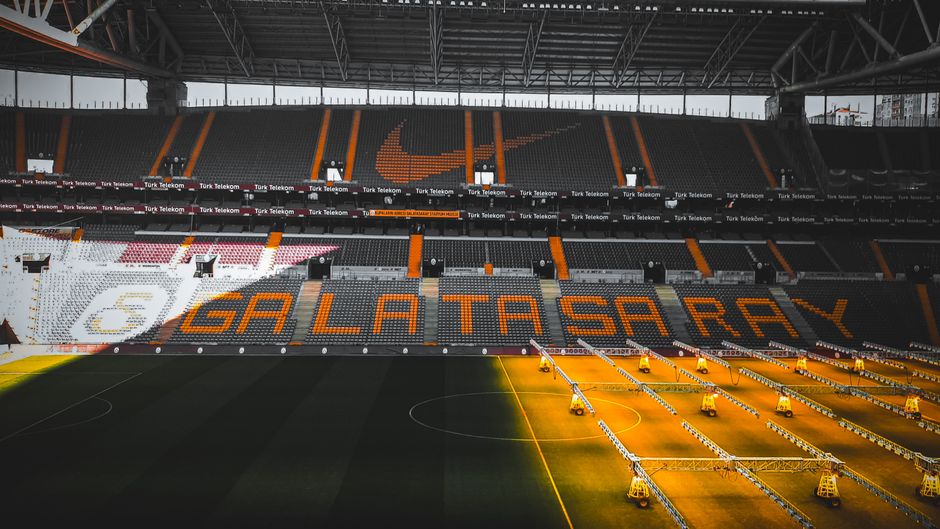
Galatasaray's decision to overhaul its summer conditioning programme has sent ripples through Istanbul's fitness community, with the club's athletes now splitting time between state-of-the-art facilities in Florya and newly upgraded gyms in the Levent business district. The shift reflects a broader trend: elite Turkish football clubs are no longer content with traditional training grounds, instead embracing boutique fitness ecosystems that rival anything available to European counterparts.
The club's commitment to science-driven training—featuring cryotherapy chambers, altitude simulation pods, and biomechanical analysis labs—has forced smaller gyms across Beşiktaş and Şişli to recalibrate their offerings. Monthly memberships at premium facilities have climbed 18 percent since January, according to the Istanbul Fitness Association, with demand particularly acute among semi-professional athletes seeking to emulate Galatasaray's regimen.
What makes this moment distinctive is the visibility. Where once professional conditioning happened behind closed doors, Galatasaray athletes now train in facilities accessible to the general public during off-peak hours. The club's partnership with a major Turkish sports technology company has also introduced real-time performance tracking visible on social media—a gamification of fitness that has captivated younger Istanbulites.
"We're seeing a trickle-down effect," said a fitness director at a Kadıköy-based training centre. "Members want what the pros have. Six months ago, nobody asked about lactate threshold testing. Now it's standard inquiry."
The economic implications are significant. Premium gym memberships in central Istanbul now range from 800 to 1,800 Turkish lira monthly—double the rate from three years ago. Yet demand remains strong, particularly among the 25-40 demographic with disposable income. Franchise operators are planning new locations in Taksim and around the Bosphorus.
Fenerbahçe and Beşiktaş have not remained passive observers. Both clubs have announced their own facility upgrades, signalling an arms race in conditioning infrastructure. The competition benefits Istanbul's broader fitness ecosystem: personal training rates have stabilized despite inflation, and nutritional consulting has become standard rather than premium service.
As the 2026-27 season approaches, Galatasaray's conditioning philosophy—emphasis on injury prevention, data-driven periodization, and athlete autonomy—has become the template. The question now is whether other Turkish clubs can match the investment, or whether Istanbul's reigning fitness trend will remain a Galatasaray privilege.
This article was compiled by AI from the sources linked above and screened before publishing. See our editorial standards.
How does this story make you feel?
Spread the word
About this article
Published by The Daily Istanbul
Daily brief
Free, in your inbox before 7am. Weekdays.
More in Sport