Istanbul's Endurance Clubs Transform Waterfront Culture and Forge Tight-Knit Communities
As running, cycling, and triathlon clubs proliferate across the city's neighbourhoods, they're reshaping how locals connect and compete.
As running, cycling, and triathlon clubs proliferate across the city's neighbourhoods, they're reshaping how locals connect and compete.
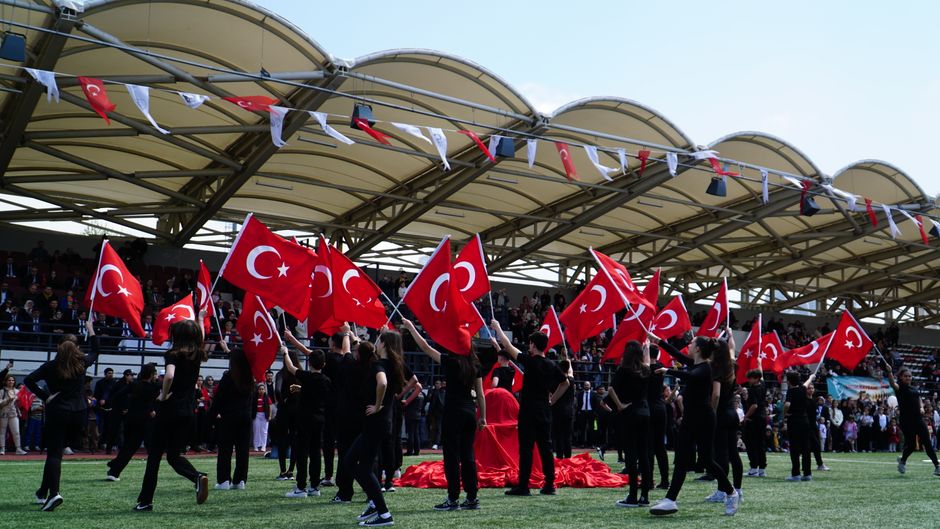
On any given Saturday morning, the waterfront promenades of Ortaköy and Besiktaş buzz with activity as dozens of runners gather for weekly group sessions. What began as informal meetups among fitness enthusiasts has evolved into a sophisticated ecosystem of endurance sports clubs that now serve thousands of Istanbulites seeking both physical challenge and community belonging.
The transformation has been remarkable. Running clubs alone have grown from approximately 15 organised groups in 2020 to over 60 today, according to local fitness organisers. Istanbul Cycling Club, based near Galata Tower, reports membership has nearly tripled to around 800 active riders in the past three years. Meanwhile, triathlon organisations operating from facilities near the Bosphorus are recording waitlists for membership.
The appeal extends beyond athletic performance. "These clubs have become social anchors for neighbourhoods," explains the culture of spaces like the Kadıköy Running Community headquarters, where members gather not just for training but for breakfast, mentoring newcomers, and organising charitable fundraising runs through Moda's tree-lined streets. Club membership typically costs between 400-800 Turkish lira monthly, making participation accessible while funding professional coaching and organised events.
Infrastructure investments have supported this growth. The newly expanded cycling paths along the Golden Horn from Eyüp to Balat now regularly host weekend training groups. Similarly, triathlon clubs have utilised beach areas near Kilyos and Şile, converting these recreational zones into legitimate training venues. Local government recognition of these communities has translated into better route maintenance and event permissions.
What's particularly significant is the demographic diversity. Clubs spanning Beşiktaş, Şişli, and Üsküdar attract working professionals, students, and retirees alike—creating intergenerational friendships uncommon in Turkey's traditionally age-segregated social structures. Many clubs have established mentorship programmes pairing experienced athletes with beginners, democratising access to endurance sports knowledge that was previously gatekept.
The competitive calendar has expanded substantially. Monthly races organised through club networks now draw entries ranging from 200 to 1,500 participants. Istanbul's first mass-participation triathlon, organised last September, attracted over 400 competitors—indicating mainstream appetite for these sports that barely registered a decade ago.
As Istanbul continues its urban transformation, these endurance sports communities represent something increasingly rare: organic, grassroots gathering spaces that prioritise wellbeing and genuine human connection. In a city of 15 million, they've created pockets of belonging where strangers become training partners, then friends, united by the simple act of moving through their city together.
This article was compiled by AI from the sources linked above and screened before publishing. See our editorial standards.
How does this story make you feel?
Spread the word
About this article
Published by The Daily Istanbul
Daily brief
Free, in your inbox before 7am. Weekdays.
More in Sport