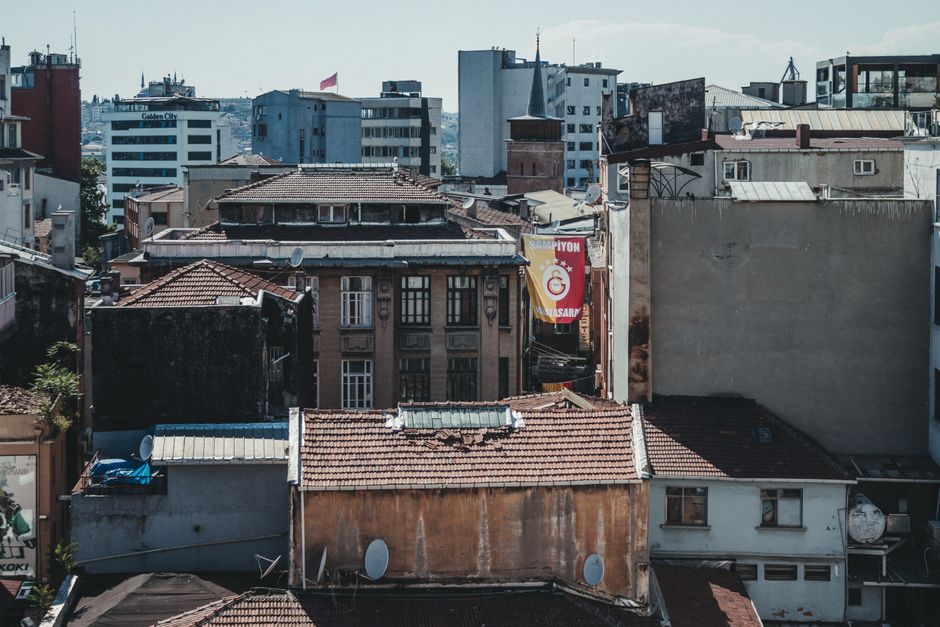
Walk through the narrow streets of Balat on a Saturday morning and you'll hear the unmistakable sound of footballs striking boots. At the Balat Youth Sports Centre, nestled between restored Ottoman buildings and trendy cafés, a group of teenagers from the neighbourhood are running drills on a modest pitch that has become the social heartbeat of this gentrifying district.
This scene repeats across Istanbul. While the city's major stadiums—Türk Telekom Arena in Aslantepe and Vodafone Park in Beşiktaş—continue hosting marquee European fixtures, a quieter revolution is unfolding in the city's residential quarters. Local clubs and community organisations are discovering that sport isn't just entertainment; it's infrastructure for connection.
"We've gone from 60 active members five years ago to nearly 400 now," explains the coordinator of Fatih Neighbourhood Sports Association, based in the historic Sultan Mehmed district. Their wrestling programme alone attracts 120 young people weekly, many from low-income families who might otherwise lack structured activity. Membership costs roughly 150 Turkish lire monthly—deliberately affordable.
In Beyoğlu, the Galata Community Basketball Initiative has transformed an underused courtyard into a hub for girls' basketball. What began as a pilot programme in 2023 with 25 participants now serves 180, with 60% female participation—notable given Turkey's wider gender gaps in youth sports. The programme connects players with scholarship opportunities and mentorship from professional athletes.
These aren't isolated projects. Data from Istanbul's Sports and Youth Affairs directorate shows community-level sports participation increased 34% between 2021 and 2025. Venues operate at capacity most evenings: badminton clubs in Üsküdar, volleyball leagues in Pendik, futsal tournaments in Kadıköy. The economic impact is measurable—local businesses around active sports centres report increased foot traffic, while property values in neighbourhoods with active programmes have remained more stable during broader market volatility.
What makes this distinctive is how clubs address social fractures. Many programmes deliberately mix school children from different socioeconomic backgrounds. Some organise regular tournaments between neighbourhoods, creating friendly rivalries that keep participants invested. The Avcılar Youth Football League, operating since 2022, involves 14 teams from surrounding quarters and has become a neighbourhood calendar fixture.
As Istanbul continues its transformation, these grassroots initiatives offer something expensive stadiums cannot: belonging. In districts where rapid development threatens social cohesion, a basketball court or wrestling mat becomes more than recreational space. It becomes the place where neighbours become teammates.
This article was compiled by AI from the sources linked above and screened before publishing. See our editorial standards.