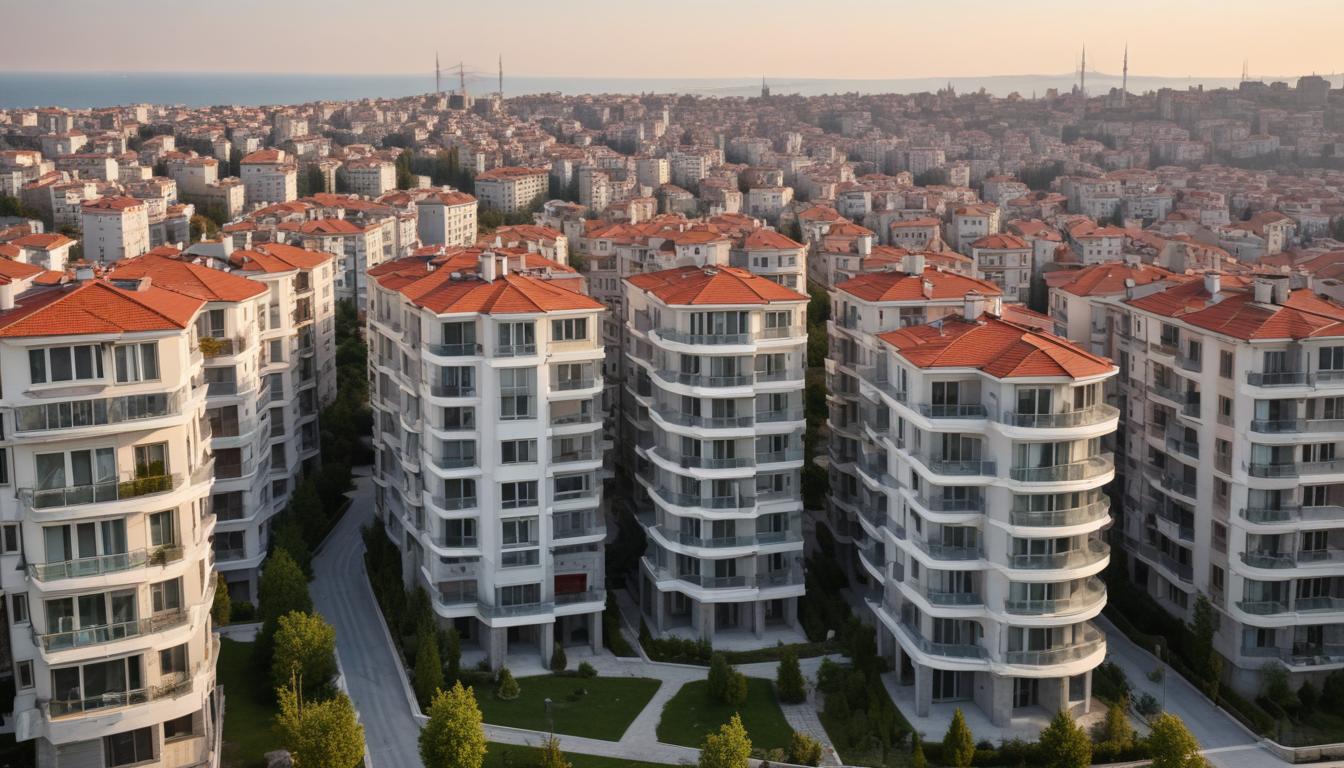
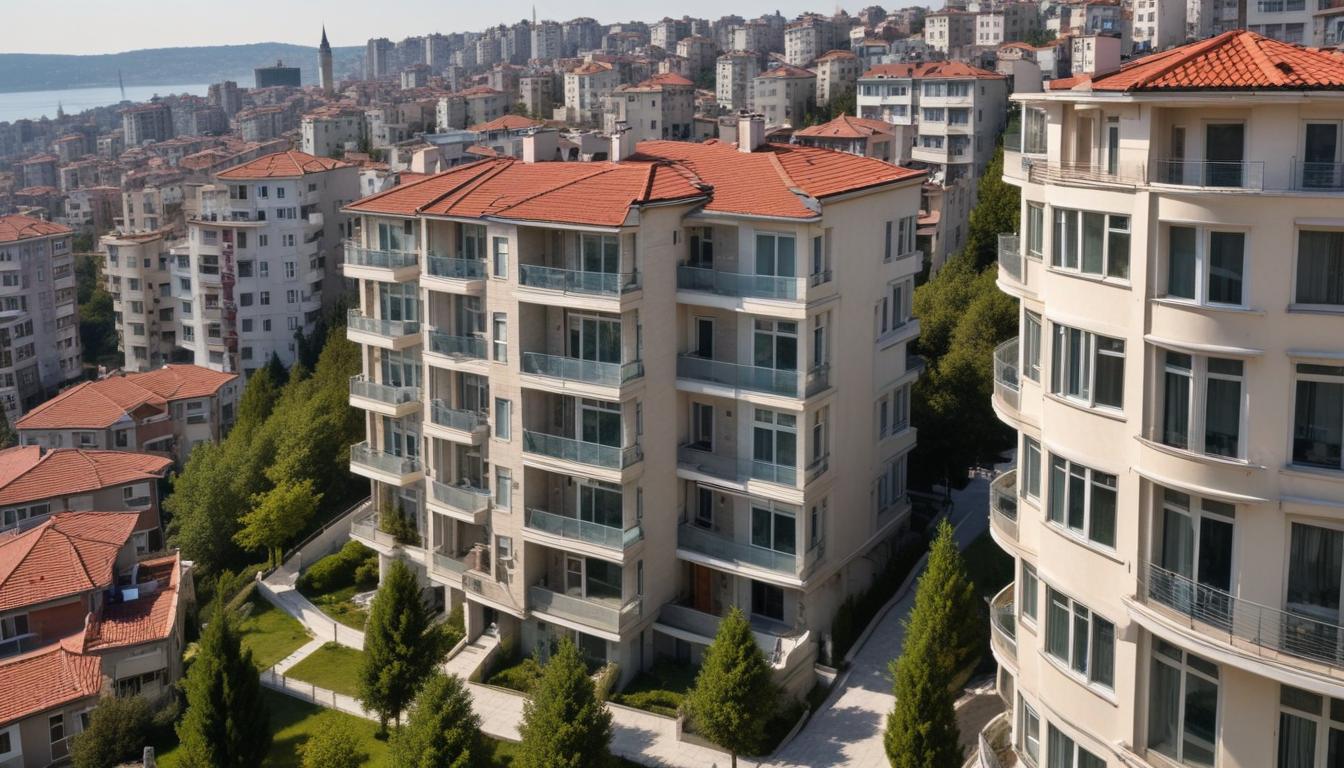
Istanbul's construction pipeline has rarely looked busier. From the soaring towers rising above Besiktas's waterfront to the mid-rise residential blocks reshaping Sisli's streetscape, new approvals have accelerated dramatically since 2024. Yet this apparent abundance masks a paradox that's reshaping the rental market in ways both landlords and tenants are scrambling to understand.
The numbers tell a complex story. While neighbourhood-level rents in premium zones like Besiktas and Beyoglu continue climbing—with furnished one-bedroom apartments now regularly exceeding $1,200 monthly—newer developments in secondary corridors like Sisli and Kadikoy have introduced competitive pricing that's fragmenting the market. Landlords with pre-construction properties face a quandary: newer buildings offer amenities and modern infrastructure that justify higher rents, yet tenant demand remains price-sensitive.
Construction approvals have surged particularly around Taksim, along the Bagdat Avenue corridor in Kadikoy, and within walking distance of the Sisli metro stations. Real estate agents report that this new supply—estimated at over 15,000 units across major developments completing through 2027—has extended lease negotiations and created opportunities for tenant negotiation that hadn't existed two years ago. Where landlords once held pricing power, many now offer concessions: furnished options, flexible lease terms, or reduced security deposits.
The rental dynamics split geographically. Besiktas and Beyoglu maintain seller's market conditions, buoyed by citizenship-by-investment demand and expat populations seeking proximity to Taksim and Ortakoy venues. But in Sisli, where large-scale residential projects cluster near commercial hubs, vacancy rates have ticked upward. Property managers report that units here now sit vacant 4-6 weeks longer than comparable periods from 2023.
For landlords, the implications are sobering. Traditional buy-to-let investors who banked on appreciation and steady rental income face pressure to accept lower yields—or sit empty. Younger properties on Cumhuriyet Caddesi or around Sisli's developing commercial zones offer modern amenities that older stock cannot match, naturally cannibalizing demand from unrennovated units.
Tenant advocates suggest the moment represents overdue correction. After years of double-digit annual increases, Istanbul's rental market is finally experiencing friction. Yet concerns linger about quality: cheaper rents sometimes reflect newer but smaller units, or locations further from employment centres.
As approvals continue and 2027 completions accelerate, market participants should expect further fragmentation rather than equilibrium. The rental landscape will increasingly reward either premium, amenity-rich properties or aggressively priced units—leaving mid-market offerings to struggle.
This article was compiled by AI from the sources linked above and screened before publishing. See our editorial standards.