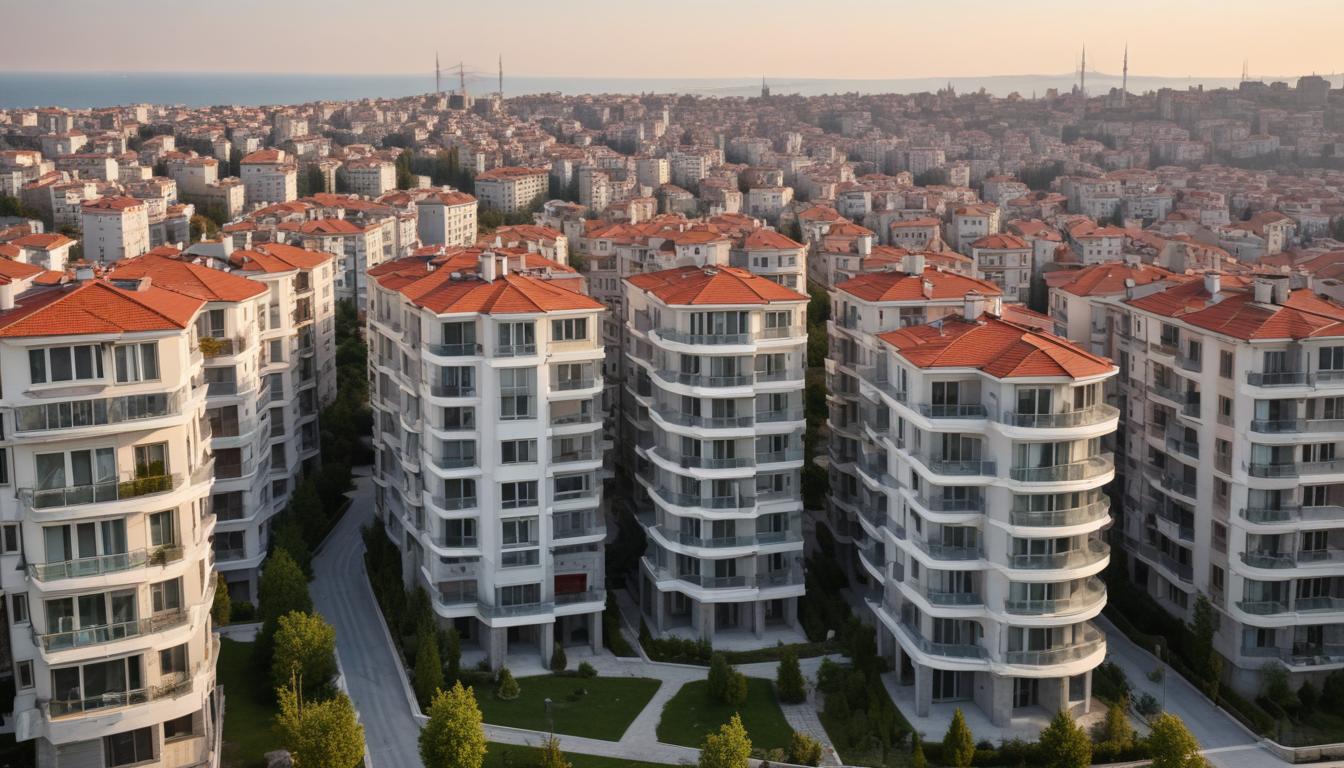
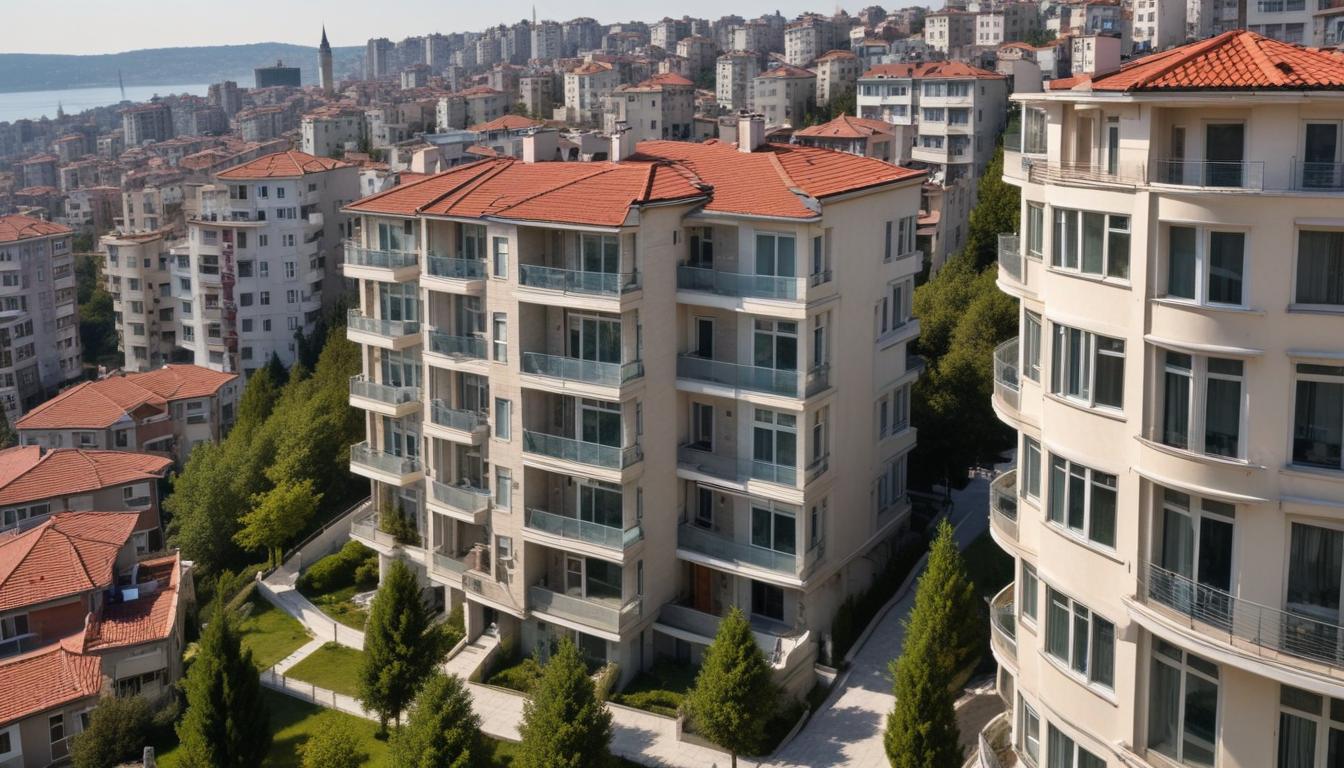
Istanbul's property market has long been a tale of two cities. While penthouses in Besiktas command $8,000 per square metre and Beyoglu's waterfront developments attract global capital, a parallel story is unfolding in Sisli, Gaziosmanpasa, and the Asian side neighbourhoods where affordability meets investment logic.
Recent housing authority data reveals that investor returns in Turkey's social housing initiatives—particularly those managed through the Housing Development Administration (TOKI) and municipal schemes—have stabilised at 4–6% annual yields, significantly below the 8–12% returns common in premium districts. Yet the numbers tell a more nuanced story about what's actually working.
In Gaziosmanpasa, where new TOKI-backed residential complexes near the TEM highway corridor have released units at $1,800–$2,100 per square metre, early purchasers report rental yields of 5.2% in mixed-income blocks. Compare this to Sisli's rapidly gentrifying Tesvikiye Avenue, where the same property type fetches $4,500 per sqm with yields compressed to 3.8% due to speculative demand.
"The yield spread matters because it signals where genuine housing need exists versus pure asset speculation," explains market analysis from Istanbul Chamber of Commerce reports. The data suggests investor capital is slowly recognising that Kadikoy's Moda district and emerging zones along the Marmaray corridor offer more sustainable rental demand than trophy properties held vacant for appreciation.
Government incentives—including tax breaks on social housing investments and subsidised mortgages for qualifying buyers—have transformed the economics. A €180,000 unit in a Sisli municipal project now generates €9,360 annually in rent, with 30-year mortgage payments absorbed at preferential 2.8% rates. That's meaningful cash flow in a market where central bank rates hover near 18%.
Yet critics point out the scheme's limitations. True affordability—housing consuming less than 30% of household income—remains elusive for Istanbul's lower-income households earning below 15,000 Turkish lira monthly. Most social housing units target middle-income earners, leaving genuinely vulnerable populations dependent on initiatives like the municipal 'Barınma Projesi' (Shelter Project) in outlying Pendik and Tuzla.
The yield data ultimately reveals an uncomfortable truth: returns are highest where demand is strongest, which is rarely where need is greatest. Investors following yields gravitate toward Sisli and Gaziosmanpasa, not the outer Anatolian side. Until policy mechanisms can make affordability in high-demand zones economically viable for developers, Istanbul's dual market will likely persist—profitable for some, inaccessible for many.
This article was compiled by AI from the sources linked above and screened before publishing. See our editorial standards.