For years, Istanbul's property conversation centred on a predictable trinity: Besiktas's waterfront cache, Beyoglu's creative capital, and Sisli's relentless ascent. But a quieter transformation is underway in Aksaray, where a convergence of infrastructure investment, emerging food culture, and comparative affordability is catching the attention of both domestic investors and foreign capital seeking passport-friendly entry points.
Aksaray, nestled between Fatih's historic core and the busier Zeytinburnu corridor, has long occupied an awkward middle ground—close enough to tourist corridors to attract some interest, yet overlooked by the wealth gravitating toward Bosphorus vistas or Beyoglu nightlife. That calculus is shifting. Current asking prices hover around $1,500–$1,800 per square metre for residential stock, compared to Istanbul's $2,500 average and Sisli's $4,000-plus premium. A modest two-bedroom apartment in well-maintained buildings near Aksaray Square now trades between $280,000 and $380,000—roughly half what comparable space commands in Nisantasi.
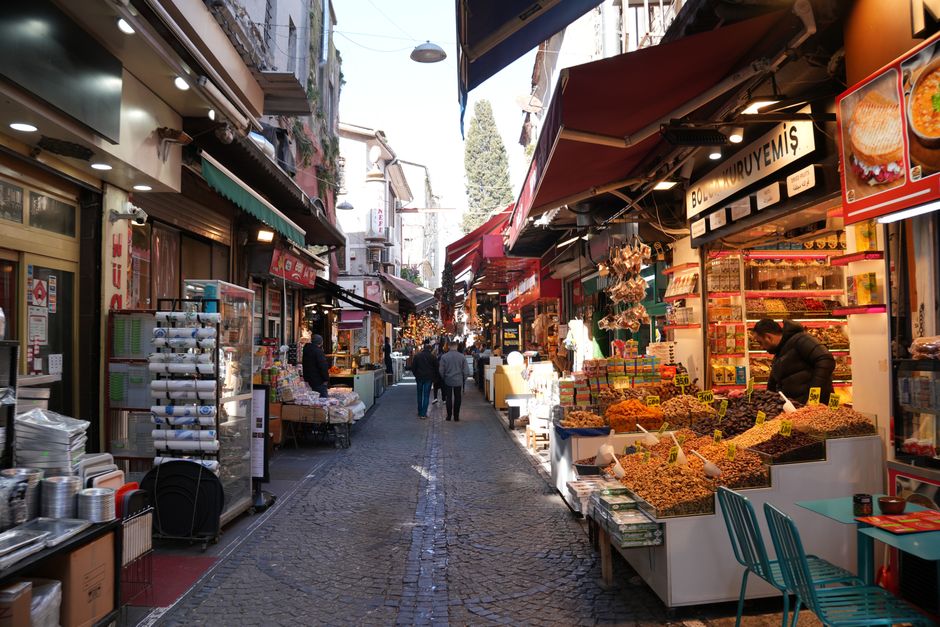
What's driving the revaluation? First, infrastructure. The expansion of metro connectivity via the planned extensions toward Bakirkoy promises to collapse commute times to central employment hubs. Second, activation. The revitalised stretch along Orman Caddesi and emerging clustering around Aksaray Mosque Square shows genuine commercial momentum. Third—and this cannot be ignored in 2026—citizenship by investment. Foreign buyers seeking Turkey's residence-permit pathway increasingly view Aksaray's entry-level pricing as a pragmatic gateway compared to saturated alternatives.
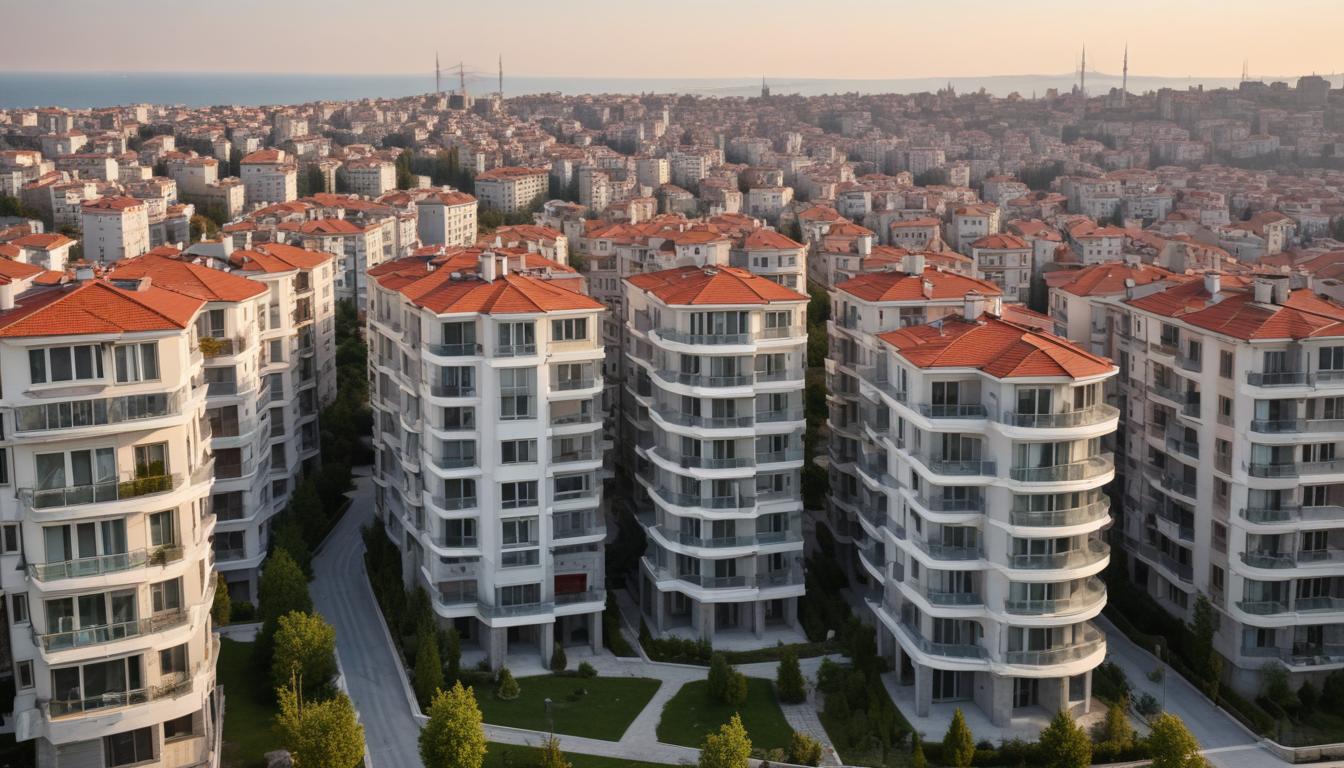
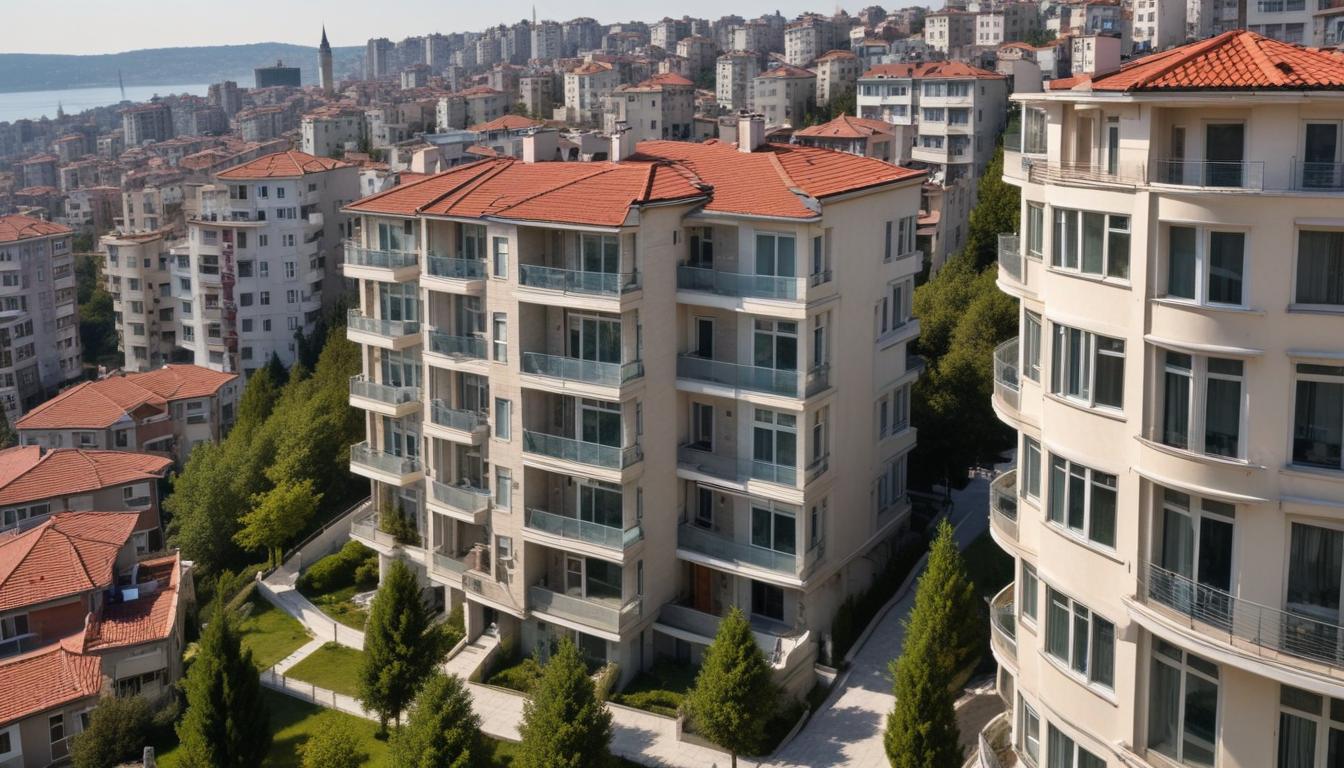
Local estate agents report a 23% year-on-year uptick in foreign enquiries, particularly from North African and Middle Eastern investors. New residential developments—including the completed Aksaray Park project and ongoing renovation of older walk-ups into modern serviced apartments—are attracting both end-users and portfolio builders.
Yet affordability cuts both ways. Aksaray's rapid appreciation, while genuine, remains modest by Istanbul standards. Rental yields cluster around 3.5–4% annually, respectable but not spectacular. The neighbourhood still carries inherited perceptions: its proximity to less-developed Zeytinburnu, persistent street-level disorder, and inconsistent municipal upkeep temper some investors' enthusiasm.
Nonetheless, for buyers priced out of Sisli or unwilling to pay Beyoglu premiums, Aksaray represents a calculated compromise—a neighbourhood where infrastructure bets, emerging commercial activity, and relative affordability are aligning. Whether it sustains momentum or remains a speculative footnote depends on delivery: if metro extensions proceed and the food-culture momentum deepens, Aksaray could genuinely reshape mid-tier Istanbul investment. If not, it remains a buyer's district—not yet the hotspot, but undeniably warming.
This article was compiled by AI from the sources linked above and screened before publishing. See our editorial standards.