Zoning Reshuffles and Metro Plans Reshape Istanbul's Investment Map
As municipal authorities finalise 2026 urban development blueprints, savvy investors are recalibrating their strategies around corridors set for transformation.
As municipal authorities finalise 2026 urban development blueprints, savvy investors are recalibrating their strategies around corridors set for transformation.
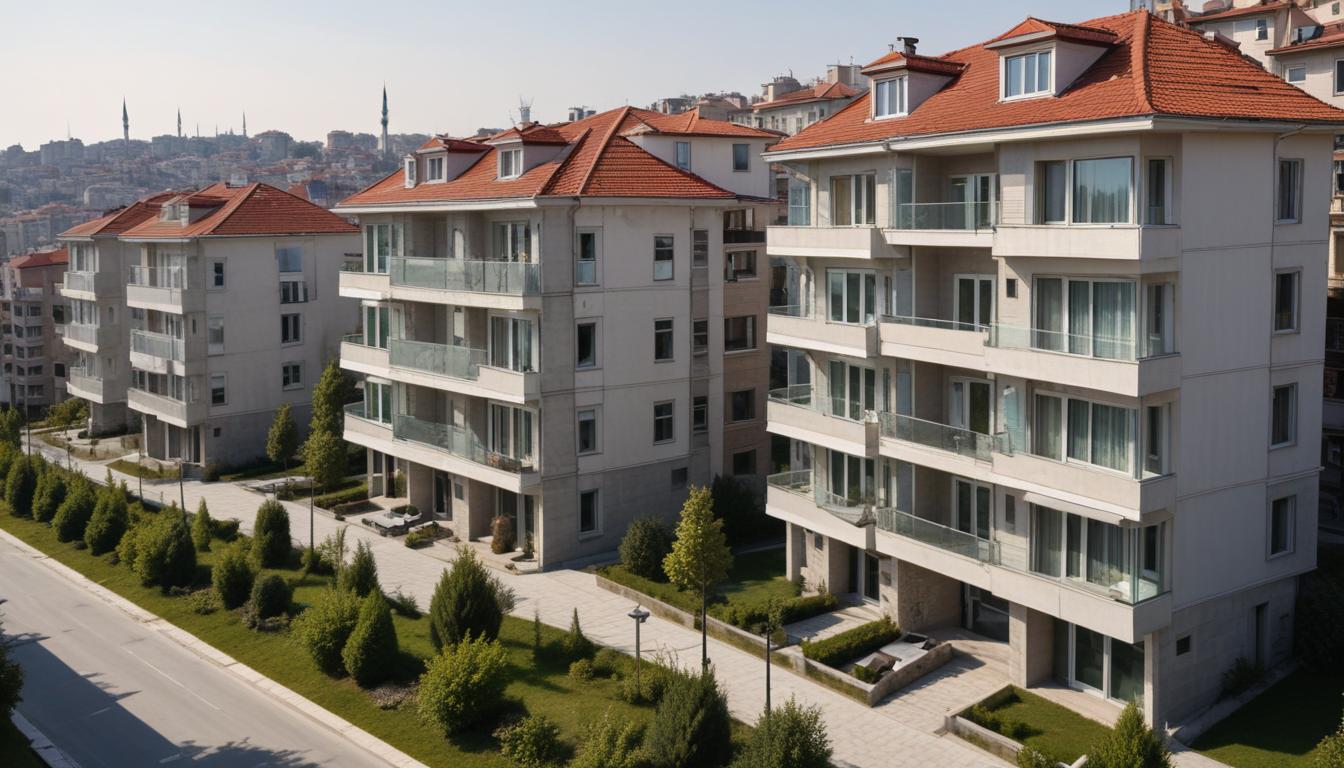
Istanbul's property market has always responded to infrastructure whispers before they become headlines. But the regulatory decisions now crystallising across the metropolitan municipality's planning committees are reshaping neighbourhood valuations in ways that demand fresh investor attention.
The most significant shift concerns the extended Metro Line M7 corridor, which recently received final environmental approval for its Sisli-to-Kagithane extension. Properties within 400 metres of proposed stations along Cumhuriyet Caddesi and Halaskargazi Caddesi have already seen 8–12 per cent appreciation in the past eight months, with developers acquiring strategic plots ahead of formal construction tenders. Current asking prices hover around $3,200 per square metre in core Sisli, up from $2,800 last year.
Meanwhile, Beyoglu's coveted Galata quarter is experiencing policy-driven volatility. The municipality's new heritage preservation zone designations—announced in April—have tightened building height restrictions to preserve sightlines toward the Golden Horn. While this has disappointed some large-scale developers, it has paradoxically increased appeal among luxury residential investors seeking scarcity value. Premium addresses near the Galata Tower now command $4,100–$4,800 per square metre, though transaction volumes have slowed as buyers digest new compliance costs.
On the Asian side, Kadikoy is witnessing a different policy windfall. The municipality's new mixed-use development incentive programme—offering density bonuses for ground-floor commercial space—is accelerating conversion of older residential stock along Soganalti and Caferaga streets. Investors are repositioning these neighbourhoods as young professional hubs, with renovation projects explicitly designed for short-term rental income. Prices have jumped from $2,100 to $2,700 per square metre in twelve months.
Perhaps most significant is Besiktas's new affordable housing quota. Developers undertaking projects exceeding 5,000 square metres must now allocate 15 per cent of units for below-market rental. This has chilled speculative purchases in the $3,500–$4,200 range but attracted institutional investors and funds seeking stable, long-term yield rather than capital appreciation plays.
Citizenship-by-investment demand continues driving foreign capital into premium zones, but policy uncertainty—particularly around zoning and heritage classifications—is creating strategic divergence. Smart money is increasingly focused on corridors where infrastructure decisions are transparent and imminent, rather than betting on speculative upside in politically contested neighbourhoods.
The lesson: in 2026's Istanbul market, regulatory calendars matter as much as market sentiment. Investors ignoring planning committee schedules do so at their own cost.
This article was compiled by AI from the sources linked above and screened before publishing. See our editorial standards.
How does this story make you feel?
Spread the word
About this article
Published by The Daily Istanbul
Daily brief
Free, in your inbox before 7am. Weekdays.
More in Property