Istanbul's luxury rental market is entering turbulent waters. While the broader property sector has thrived on the back of citizenship-by-investment demand—with average prices stabilising around USD 2,500 per square metre citywide—the upper echelon faces a peculiar paradox: more premium inventory than ever before, yet fewer long-term tenants willing to commit.
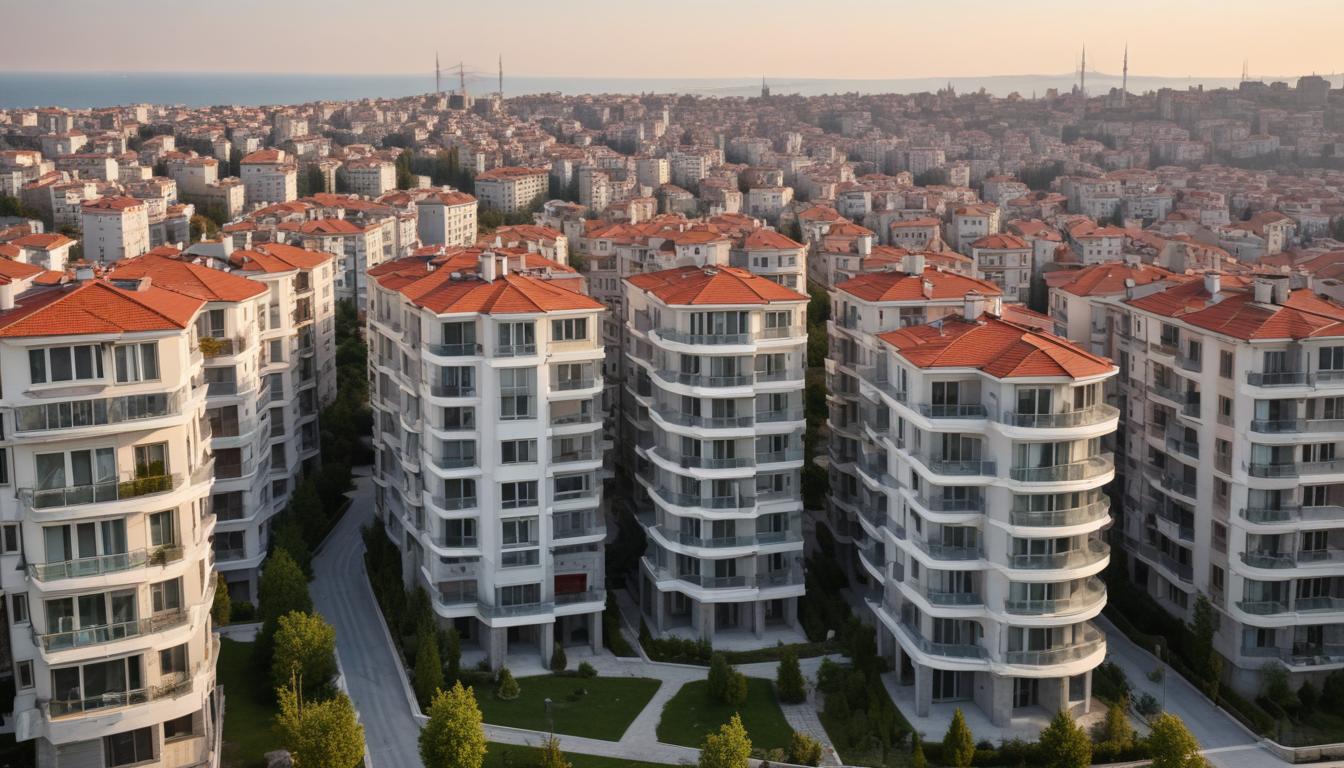
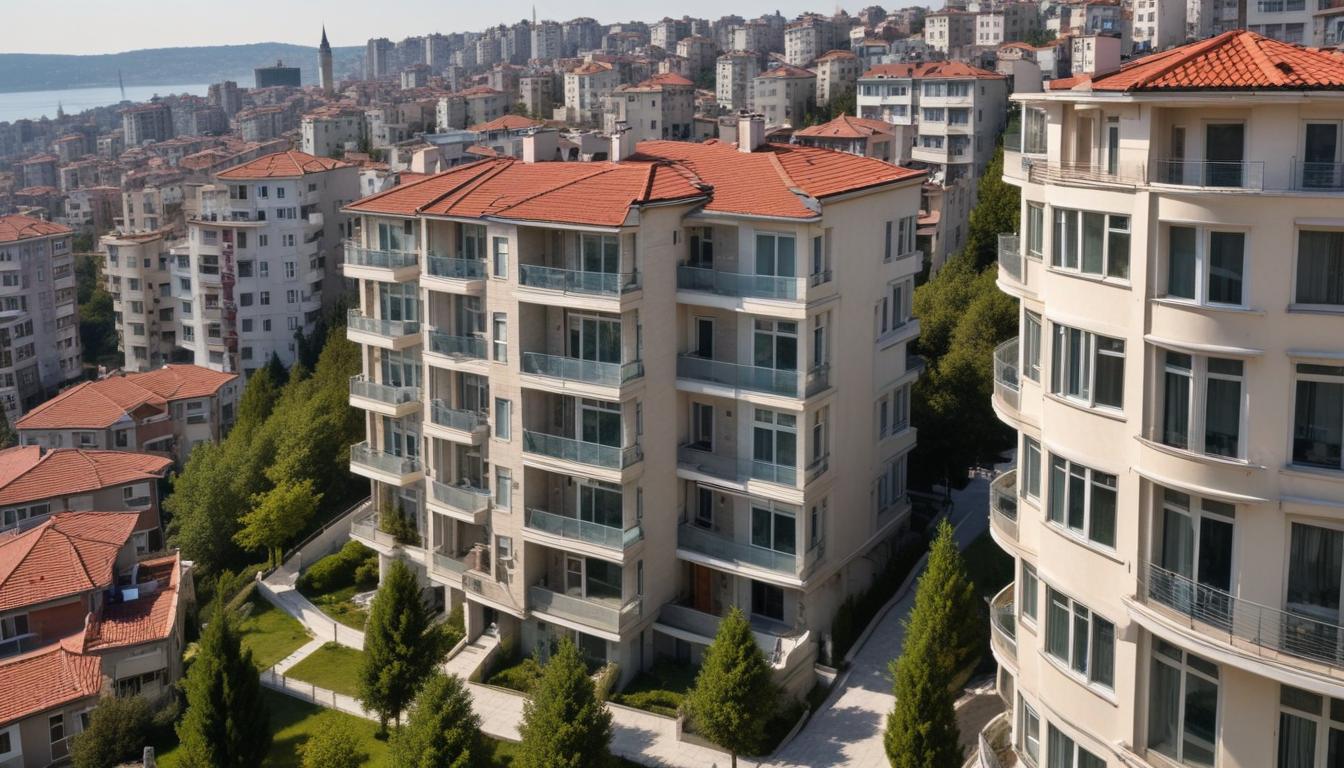
In Besiktas and Beyoglu, where penthouses and waterfront residences command USD 8,000-12,000 per square metre, landlords are increasingly offering concessions once unthinkable. Extended lease negotiations, furnished-to-unfurnished flexibility, and three-month rent reductions have become routine tactics to secure occupants. Property managers along the upscale corridors of Abbasaga Caddesi and Ortakoy waterfront report average vacancy periods extending from two months to nearly four, a significant shift from the rapid turnover experienced during the 2022-2024 boom.
The root cause reveals a sophisticated market realignment. Citizenship-by-investment investors—particularly from Russia, the Middle East, and Central Asia—have prioritised ownership over tenancy, adding approximately 15,000 luxury units to the rental pool since 2024. Simultaneously, traditional expat tenants (corporate executives, diplomatic staff) have contracted by roughly 12% as remote-work policies reshape assignment patterns.
On the tenant side, the squeeze manifests differently. A growing cohort of high-net-worth renters—those temporarily between purchases or maintaining flexibility—now possess unprecedented bargaining power. A USD 5,000-per-month three-bedroom apartment in Sisli, once non-negotiable at face value, now attracts negotiated discounts or landlord-funded renovations. Tenants increasingly expect furnished, smart-home-equipped residences with concierge services; basic accommodations struggle to fill.
Regulatory uncertainty compounds tensions. Turkey's recent tax reforms on short-term rental income have prompted several Galata and Taksim landlords to shift strategy, converting units from tourist rentals back to long-term leases—further fragmenting the market. Currency volatility, too, has complicated calculations: many landlords pegged rents to USD, while tenants (particularly local Turkish professionals) negotiate in lira.
The Sisli district, historically Istanbul's emerging luxury hub, exemplifies the pressure. New developments near Osmanbey and Pangalti deliver 300+ units quarterly, yet absorption rates hover at 65%, well below pre-2025 norms.
For landlords holding multiple high-end assets, the message is clear: flexibility and amenity quality now determine occupancy. For tenants, the tide has shifted in their favour—at least temporarily. Whether this correction stabilises or deepens will define Istanbul's luxury rental landscape throughout 2026.
This article was compiled by AI from the sources linked above and screened before publishing. See our editorial standards.