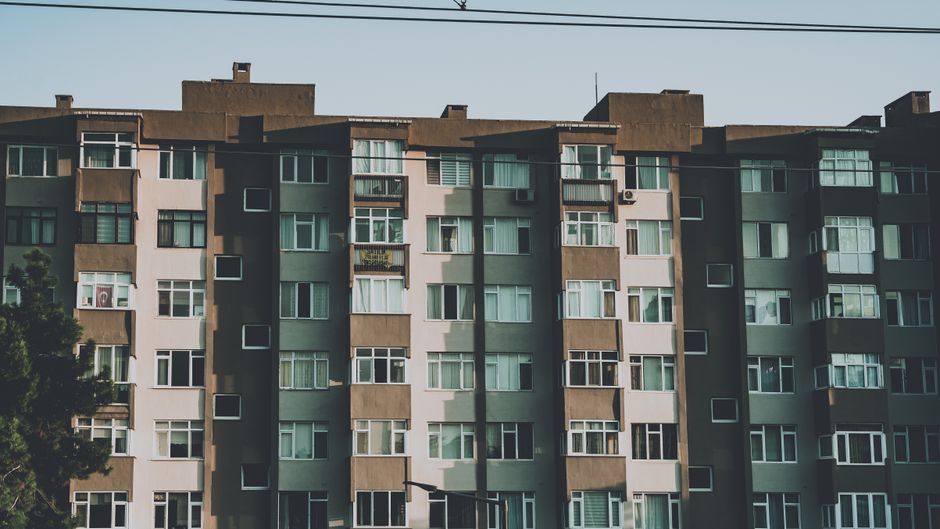
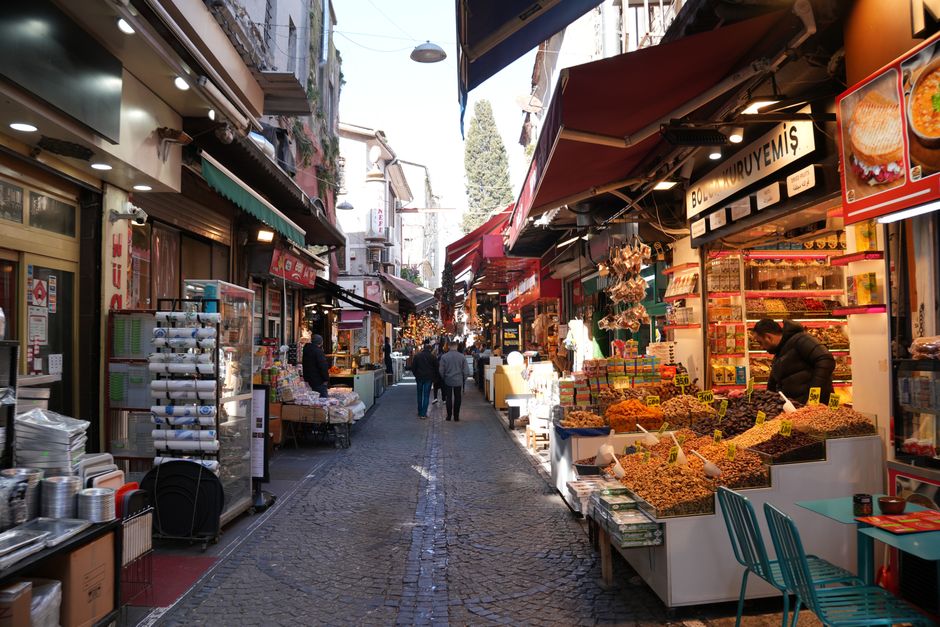
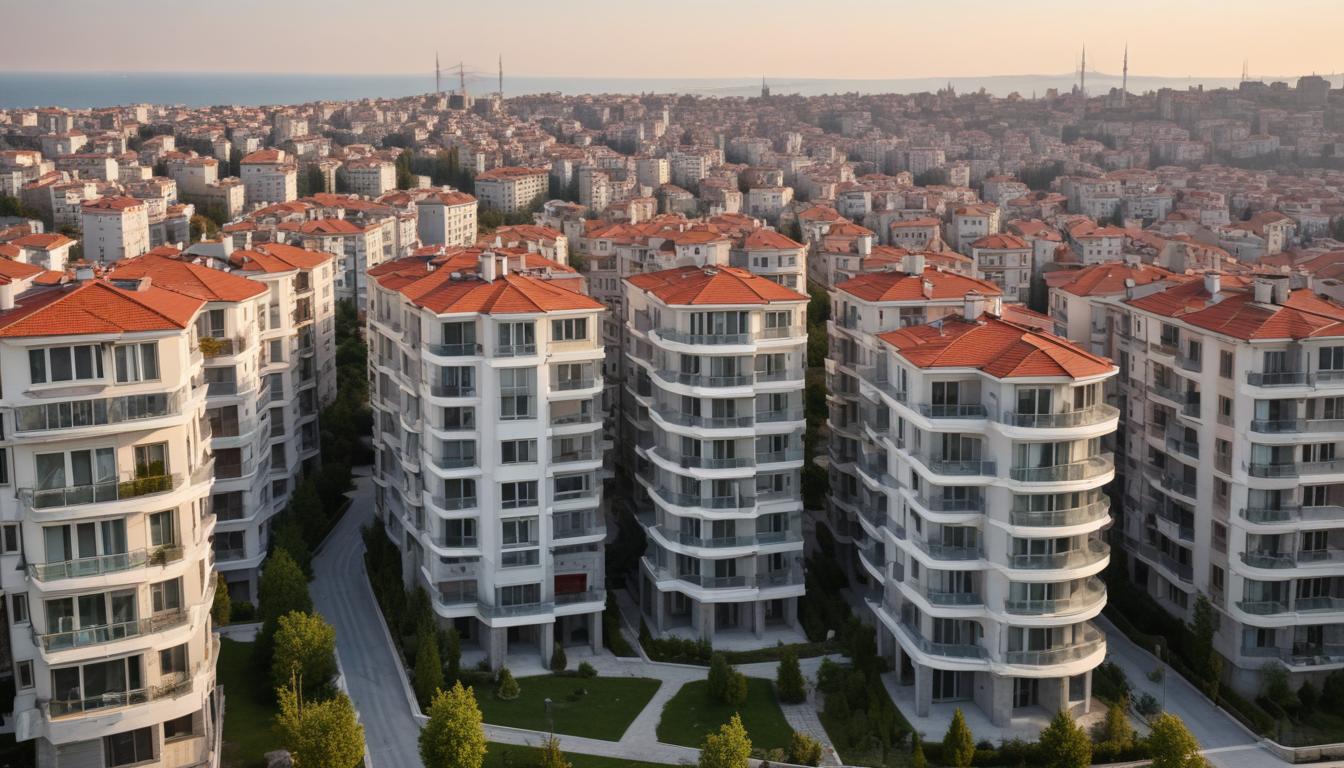
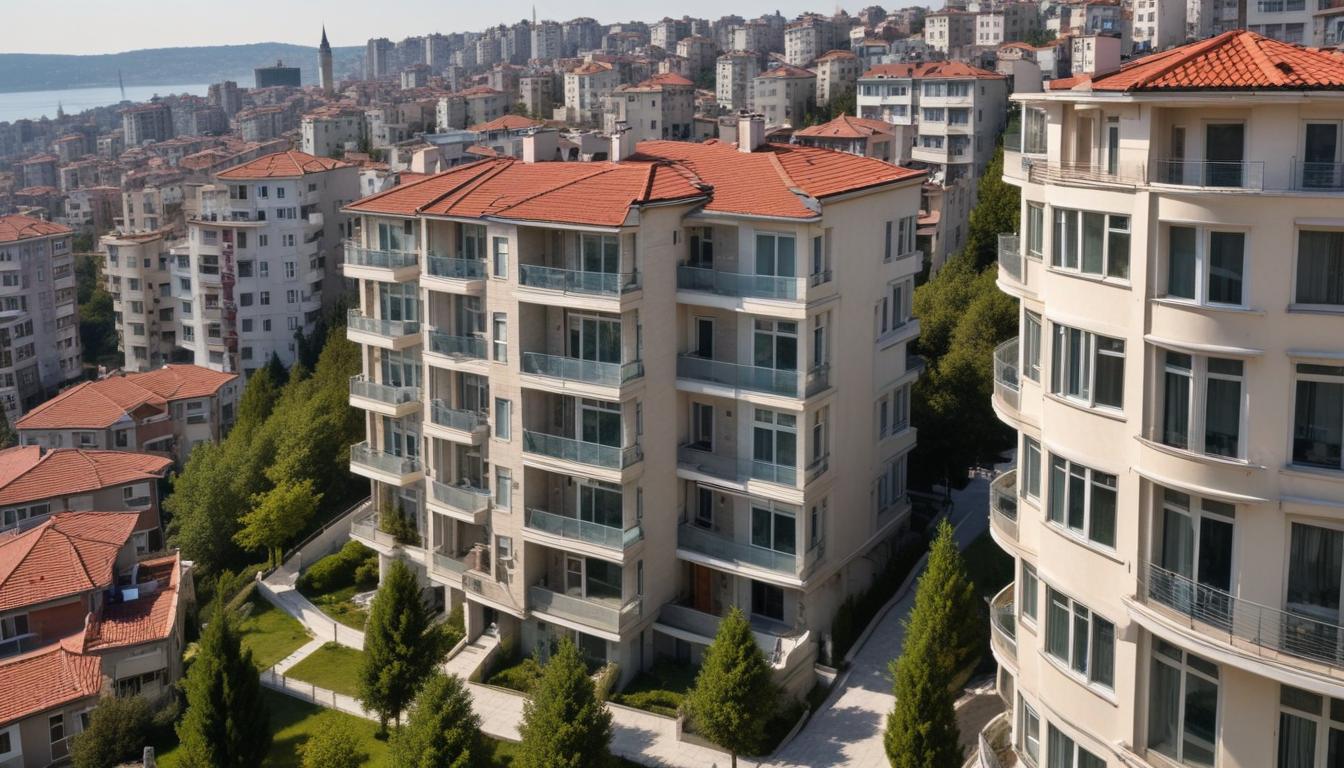
For years, Arnavutköy existed in the shadow of Istanbul's glitzier neighbourhoods. While Besiktas commanded premium prices and Sisli consolidated its middle-market dominance, the suburb—nestled along the Belgrade Forest's western edge—remained a quiet enclave of weekend getaways and family villas. That narrative is shifting rapidly.
Over the past eighteen months, municipal planning approvals for residential and mixed-use developments in Arnavutköy have more than tripled, according to Istanbul Metropolitan Municipality records. Large-scale projects now dot the district's main arteries: Sariyer Caddesi and the newly renovated waterfront stretches toward Emirgan. Property values have climbed 23 percent year-on-year, positioning average prices around USD 3,100 per square metre—still significantly below Besiktas's USD 5,500–7,000 range, yet rising faster than any central neighbourhood.
The catalyst? Infrastructure. The extended metro feasibility studies reaching north toward Arnavutköy, combined with the completion of the Fatih Sultan Mehmet Bridge expansion, have slashed commute times to central business districts. Simultaneously, foreign investors—particularly Gulf-based buyers and citizenship-by-investment applicants—have begun diversifying portfolios away from oversaturated premium zones.
"Arnavutköy offers what Sisli offered five years ago," says a senior analyst at a leading Istanbul property consultancy. "Space, accessibility, and genuine appreciation potential." The district's approved projects reflect this demand: the 450-unit Arnavutköy Park development near Emirgan, the mixed-use Sariyer Gate complex featuring retail, offices, and 180 residential units, and smaller boutique projects targeting professional families and investors seeking rental yields between 5–7 percent annually.
The Belgrade Forest proximity—a recreational asset worth millions in comparable global cities—is finally being monetised. New developments increasingly market "forest views" and pedestrian access to nature reserves, a luxury previously unmarked and unpaid for in Istanbul's market.
Yet challenges loom. Environmental groups have raised concerns about density and forest encroachment. The district's infrastructure—schools, hospitals, retail anchors—still lags behind established neighbourhoods. Construction approvals, while surging, remain subject to heritage protections covering Arnavutköy's Ottoman-era waterfront districts.
For investors and owner-occupiers, however, the window appears narrow. As developments break ground and media attention intensifies, price appreciation is expected to accelerate throughout 2026 and 2027. Early movers positioning themselves now in Arnavutköy's development corridors are betting on a familiar Istanbul story: today's sleepy suburb becomes tomorrow's premium address.
This article was compiled by AI from the sources linked above and screened before publishing. See our editorial standards.