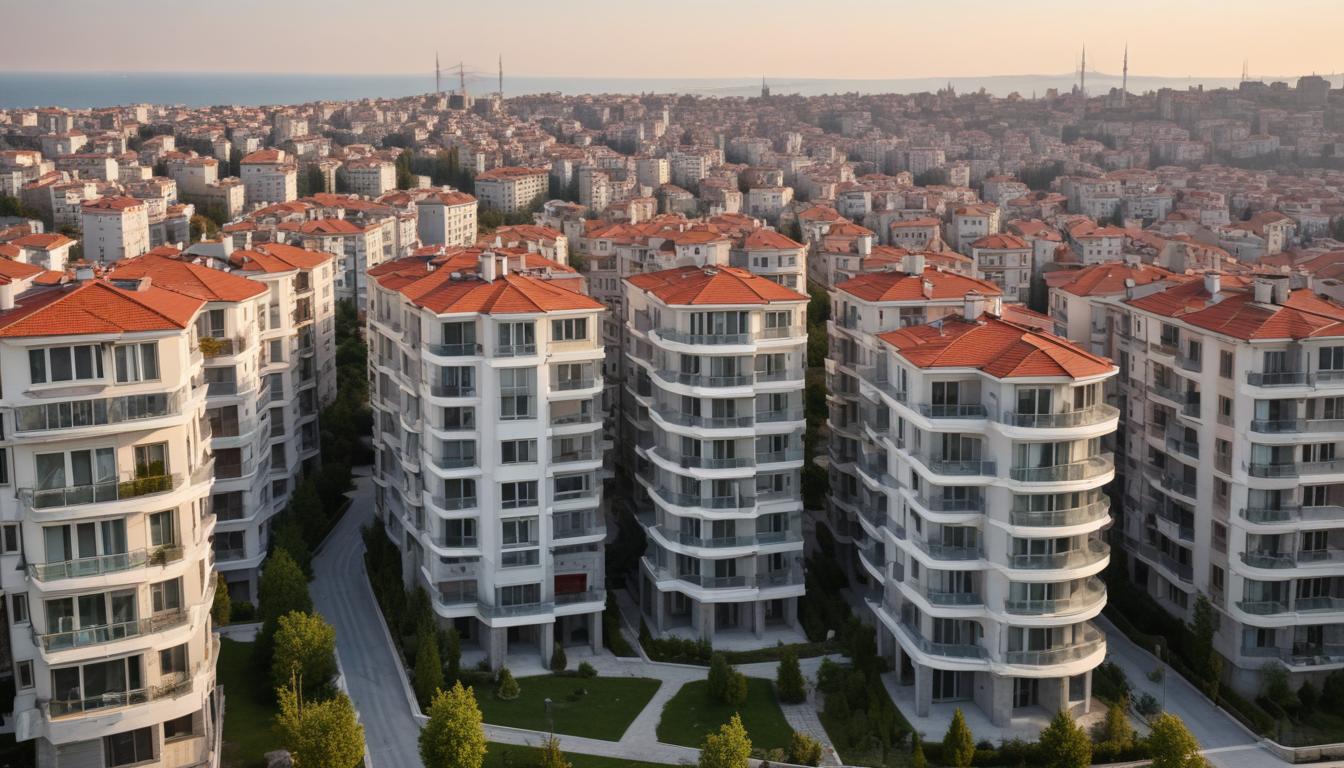
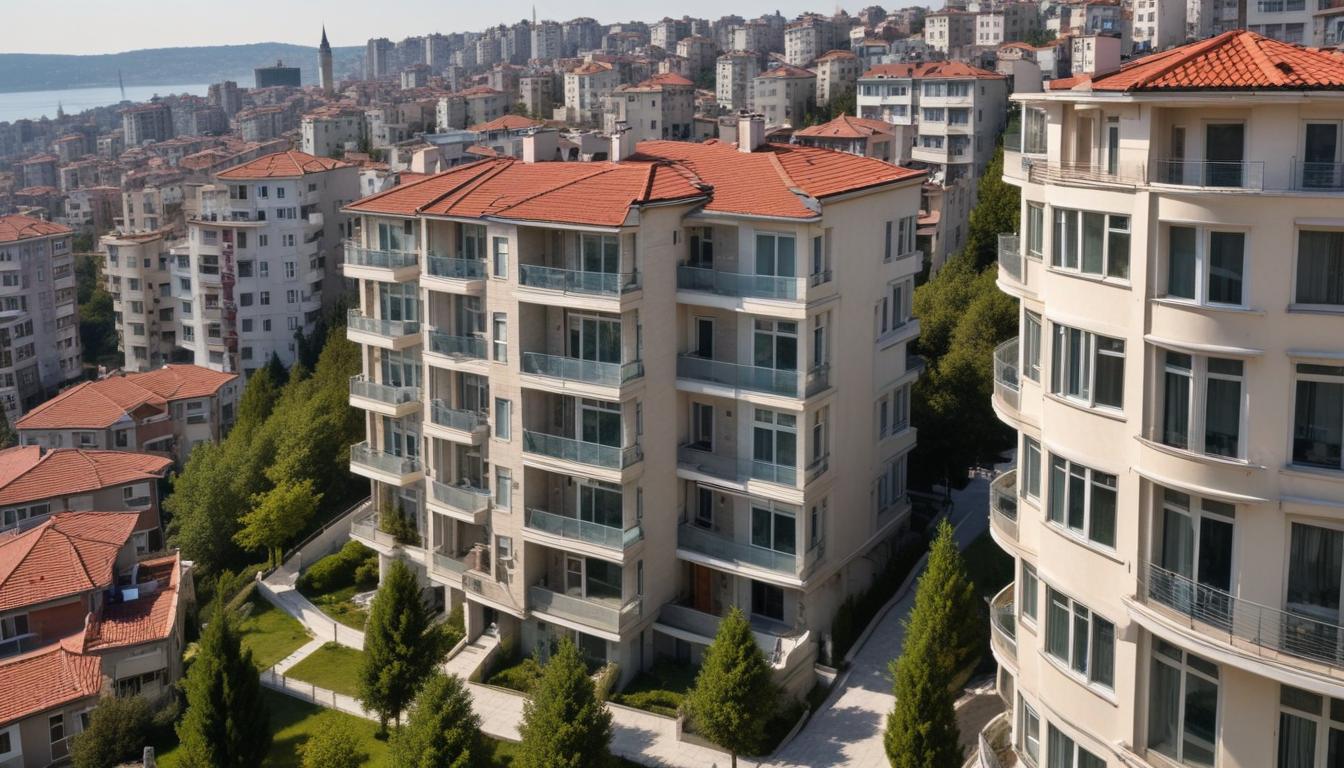
Six months ago, Bahçeşehir was still considered a commuter suburb—a place young families fled to for affordable square metres and shopping malls. Today, the neighbourhood west of Sisli is unrecognizable, with three major residential towers under construction along Merkez Mahallesi and another four projects approved for sites adjacent to the E-5 corridor.
The shift reflects a broader recalibration of Istanbul's property market. While Besiktas and Beyoglu remain premium anchors, averaging $3,500–$4,200 per square metre, Bahçeşehir has climbed from $1,800 to $2,650 in just eighteen months. Project completions are expected to accelerate through 2027, with developers citing improved metro connectivity and the recent Metropolitan Municipality approval of mixed-use zoning along Bahçeşehir Bulvari as decisive factors.
"The narrative has changed," says one local development firm representative. "Sisli's growth has created a spillover effect. Investors now see Bahçeşehir not as a suburb but as the next frontier before Esenyurt." Municipal records show twenty-seven building permits issued in the past quarter alone—a pace comparable to Sisli's heated 2024 season.
Three features distinguish this boom from previous cycles. First, infrastructure: the E-5 widening project, due completion in 2027, promises to cut commute times to Taksim by twenty minutes. Second, amenities: BGS shopping mall's expansion, coupled with planned educational and healthcare hubs, attracts family investors seeking more than dormitory living. Third, foreign appetite remains robust. Citizenship-by-investment applicants now represent an estimated 22 percent of new registrations in the neighbourhood—higher than Sisli's 18 percent.
Yet challenges persist. Oversupply warnings echo from analysts watching similar suburban booms elsewhere across Turkey. The completed inventory in Bahçeşehir's immediate pipeline could absorb eighteen to twenty-four months of demand at current absorption rates. School capacity remains strained, and public transportation beyond the metro link relies on congested bus corridors.
For now, the construction cranes tell a clearer story than the spreadsheets. Walk Merkez Mahallesi in the early morning, and the soundscape has shifted from quiet residential to industrial percussion. Projects marketing at $2,900–$3,100 per square metre, unheard of in Bahçeşehir two years ago, are moving units within weeks.
Whether Bahçeşehir sustains this trajectory depends on execution: infrastructure timelines, economic conditions, and the broader Istanbul appetite for westward migration. But for now, the suburb has ceased being overlooked.
This article was compiled by AI from the sources linked above and screened before publishing. See our editorial standards.