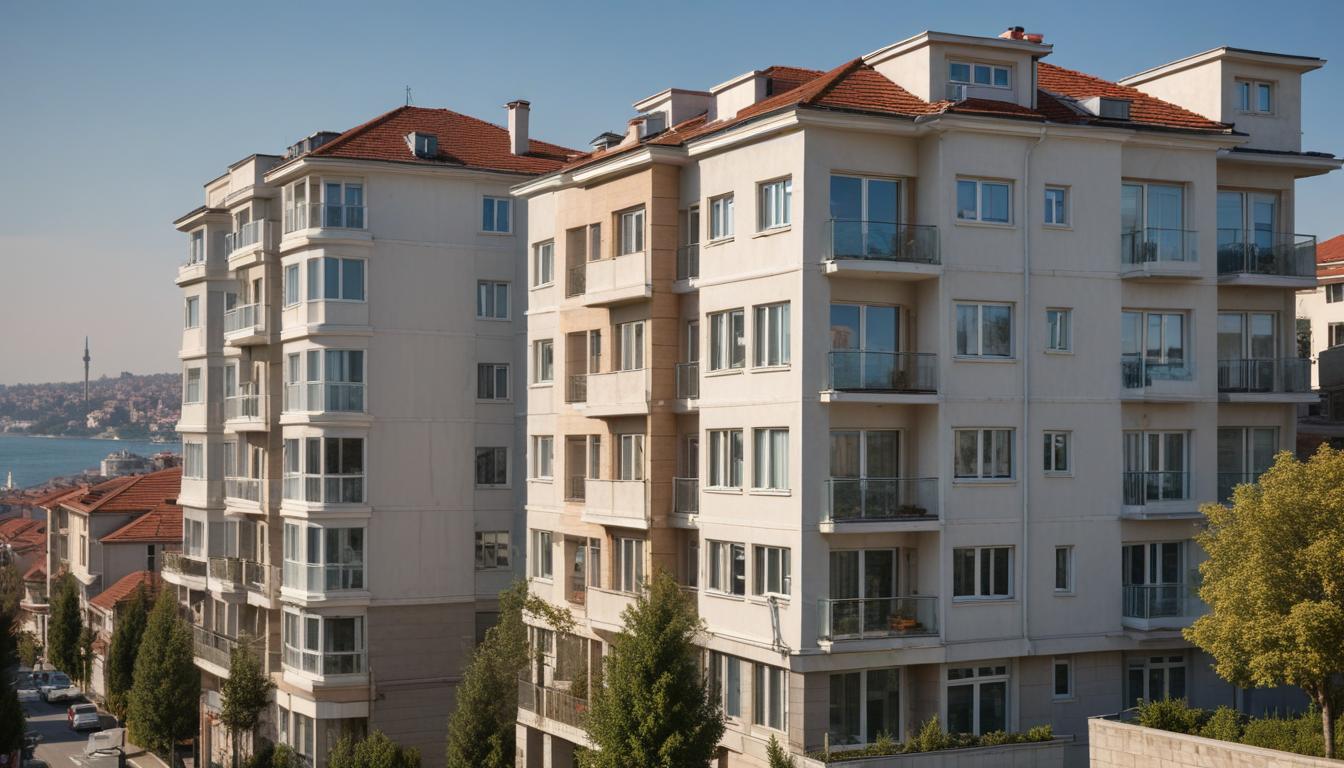
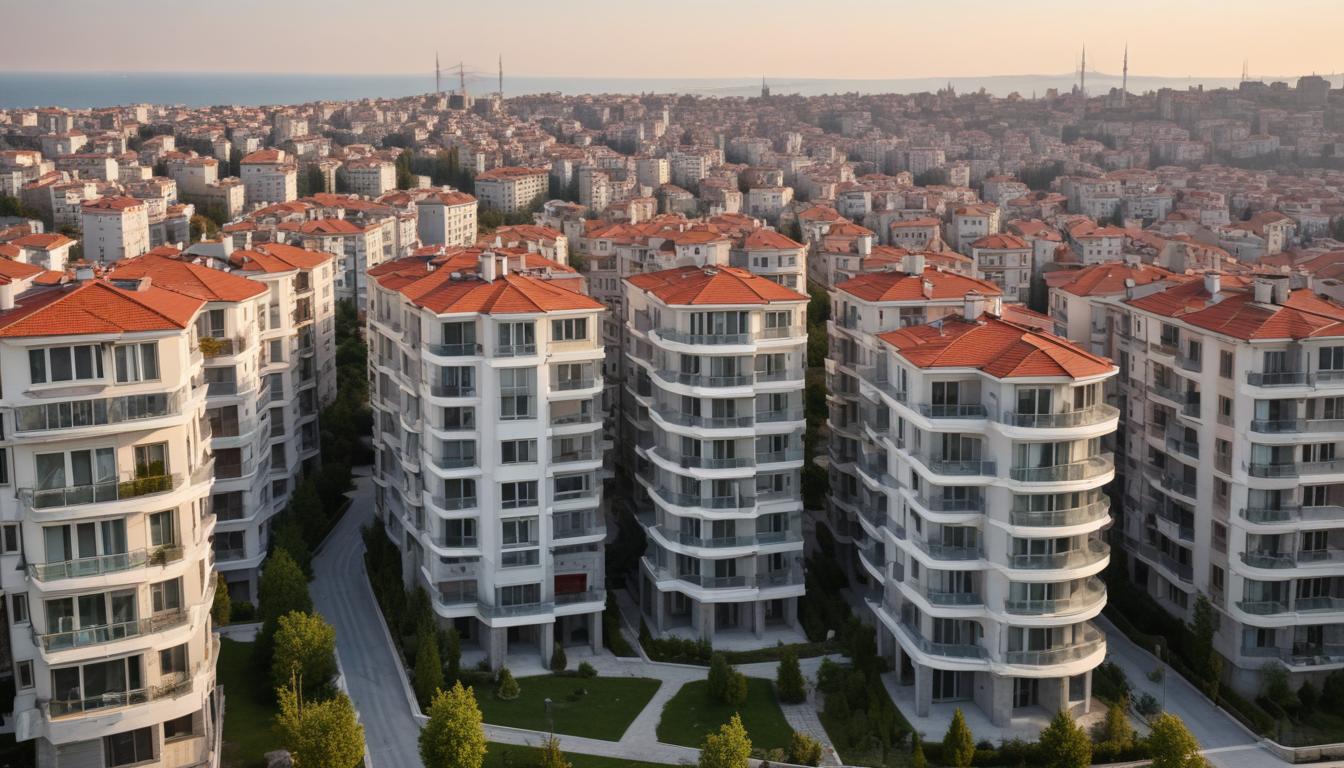
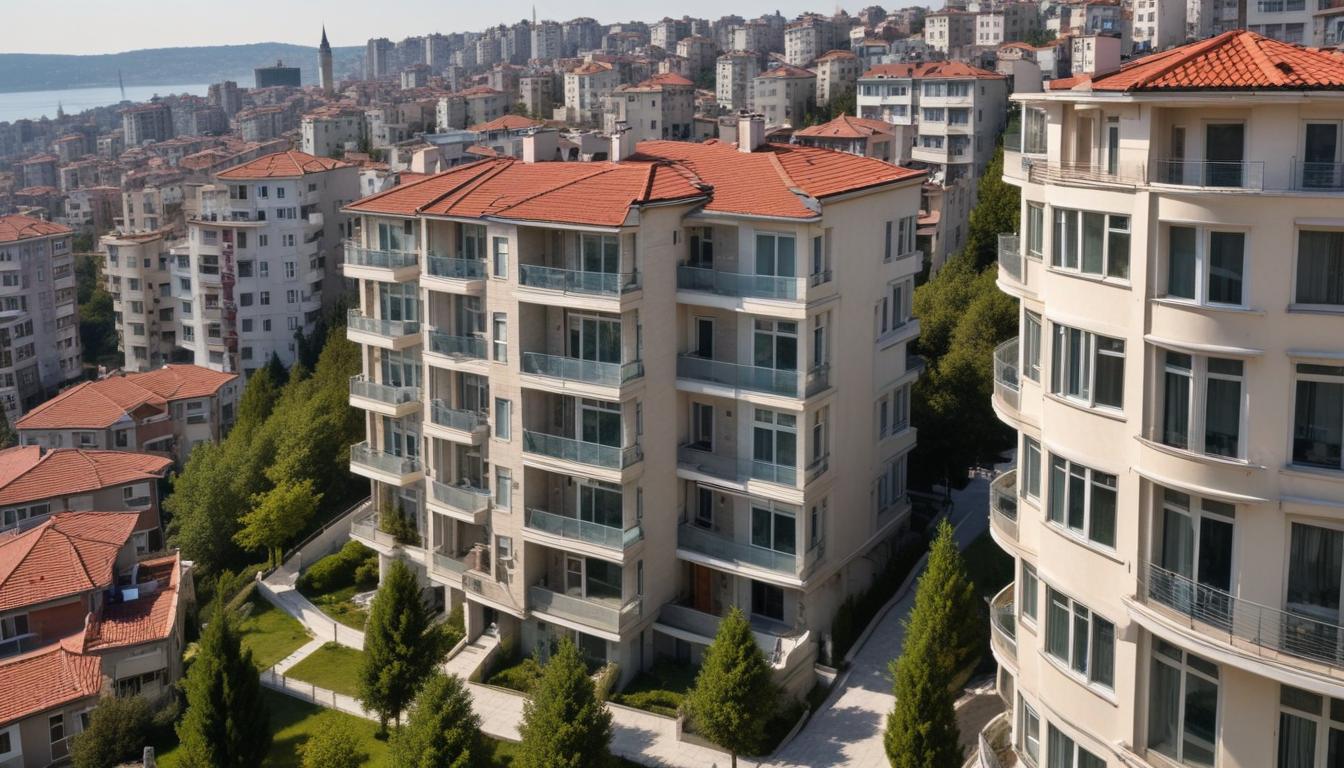
Istanbul's social housing market is quietly reshaping investor expectations. While luxury penthouses in Besiktaş command $5,000-plus per square metre, a emerging class of mixed-tenure developments is delivering returns between 4.2 and 6.8 percent annually—figures that are beginning to attract serious institutional capital.
The shift is most visible in peripheral growth zones. In Sisli's Mecidiyeköy district, where average prices hover near the city mean of $2,500 per square metre, several investor-backed affordable schemes have launched over the past 18 months. According to data from the Istanbul Real Estate Association, these projects—typically offering units at 15-25 percent below neighbourhood averages—are yielding rental returns of 5.4 percent on average, compared to 3.1 percent for comparable luxury stock in Beyoğlu.
The mathematics favour volume over price. A $280,000 two-bedroom apartment in Sisli, rented at 8,500 Turkish lira monthly ($280), generates predictable cash flow that luxury investors simply cannot match. More importantly, occupancy rates in social housing exceed 94 percent city-wide, versus 78 percent for high-end rentals—a stability that institutional funds increasingly value.
On the Asian side, Kadıköy's Göztepe and Feneryolu corridors have become testing grounds. The Acibadem Health Group's mixed-income residential project, completed in 2024, achieved full lettings within eight months. While confidential, industry observers estimate 5.9 percent net yields, bolstered by corporate tenant agreements and proximity to employment clusters.
Government incentives are amplifying returns. Recent amendments to Istanbul Municipal regulations now allow developers to offset social units against density bonuses—effectively reducing construction costs by 8-12 percent. That margin flows directly to investor returns without cutting tenant benefits.
Challenges remain. Financing social housing still requires 2-3 percentage point higher interest rates than luxury development, and perceived reputational risk deters some traditional players. Yet the 'Home for a Home' initiative's expansion suggests policy winds are shifting. Three new investor consortiums registered with the Istanbul Development Agency in Q2 2026 alone, targeting affordable schemes across Bağcılar, Eyüpsultan, and Pendik.
The story isn't about windfall gains or speculative flipping. It's about patient capital discovering that predictable 5-6 percent returns from occupied, socially necessary housing may outperform the volatility of trophy real estate—especially in a market where foreign citizenship-driven demand is normalising price correction. For yield-focused investors, Istanbul's affordable sector is no longer charity. It's becoming arithmetic.
This article was compiled by AI from the sources linked above and screened before publishing. See our editorial standards.