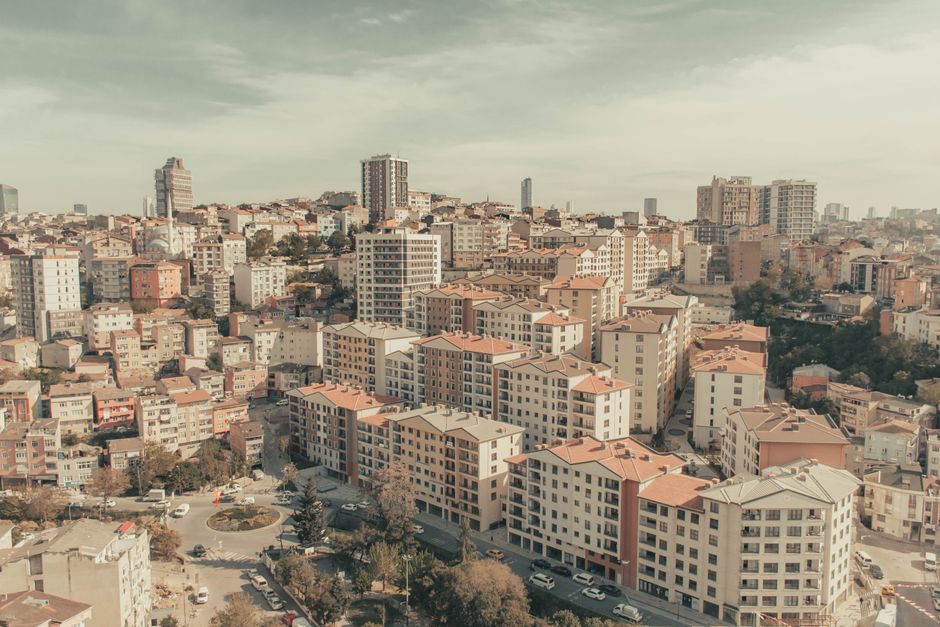
For years, Istanbul's property investment conversation centred on the same familiar postcodes: the Bosphorus views of Besiktas, the bohemian cache of Beyoglu, the waterfront appeal of Kadikoy. But a quiet shift is reshaping the rental market, and it's happening in Sisli—a neighbourhood once dismissed as merely residential but now emerging as the city's most compelling yield play for informed investors.
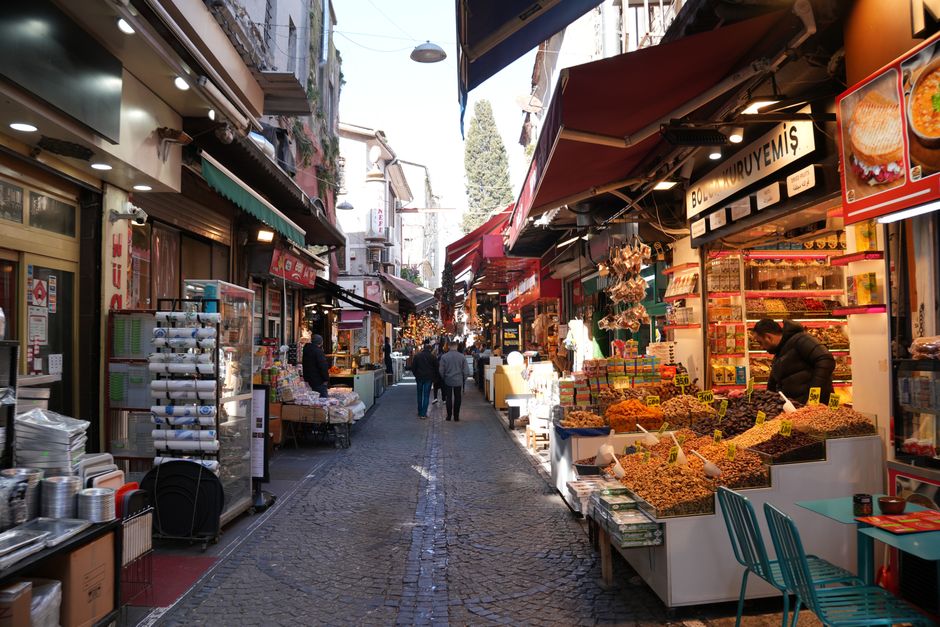
Sisli's transformation reflects a fundamental change in what renters want. The neighbourhood, anchored by landmarks like Osmanbey Avenue and the cultural hub of Sisli Mosque, sits at the intersection of accessibility and livability. It's a 15-minute metro ride to Taksim, a five-minute walk to boutique cafes along Halaskargazi Street, and home to several international schools and hospitals. Unlike the tourism-heavy volatility of Beyoglu or the speculative fervour driving Besiktas prices, Sisli attracts long-term residents: young professionals, expat families, and corporate relocations.
The economics tell the story. While citywide average prices hover around USD 2,500 per square metre, Sisli's central pockets—particularly around Osmanbey and Tesvikiye—now command USD 3,200–3,800 per sqm. Crucially, rental yields are outpacing purchase price appreciation. A two-bedroom apartment fetching USD 450,000 can reasonably generate USD 1,800–2,200 monthly in rent, yielding a gross return of 4.8–5.8 percent annually. That's competitive with Kadikoy and substantially ahead of oversaturated Besiktas, where yields have compressed below 3.5 percent.
For landlords, the neighbourhood offers structural advantages. The Turkish citizenship-by-investment programme continues channelling foreign capital into the market, but Sisli attracts residents seeking permanence, not quick exits. Corporate tenancy—particularly around the business districts near Sisli's northern edge—provides stability. Vacancy rates remain low, and turnover costs are reasonable given the neighbourhood's appeal to quality renters.
Local real estate professionals note that regulatory headwinds, including new short-term rental restrictions in core tourist zones, are quietly pushing investor interest toward residential-focused areas like Sisli. Properties marketed as primary residences face fewer compliance burdens than holiday rentals in Beyoglu.
Timing matters. While early-stage investors in Sisli have already seen 15–20 percent appreciation over three years, the neighbourhood hasn't yet experienced the speculative run that inflated Besiktas. For landlords seeking sustainable income streams rather than quick flips, Sisli offers what Istanbul's overheated hotspots no longer do: yield combined with realistic growth.
This article was compiled by AI from the sources linked above and screened before publishing. See our editorial standards.