Istanbul's rental landscape has entered a paradoxical phase. While headline vacancy rates remain historically low—hovering around 3-4% across premium districts—the composition of that vacancy tells a more nuanced story about who is renting, where, and at what price.
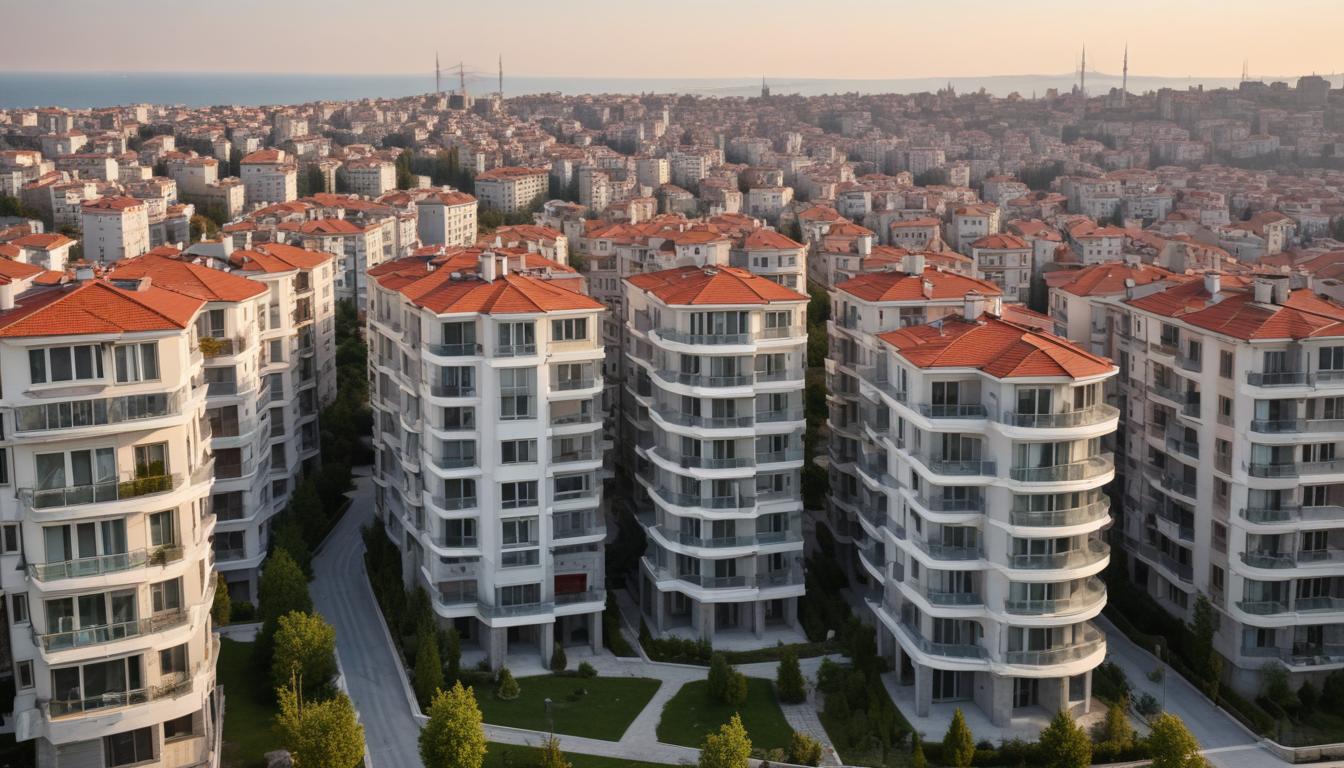
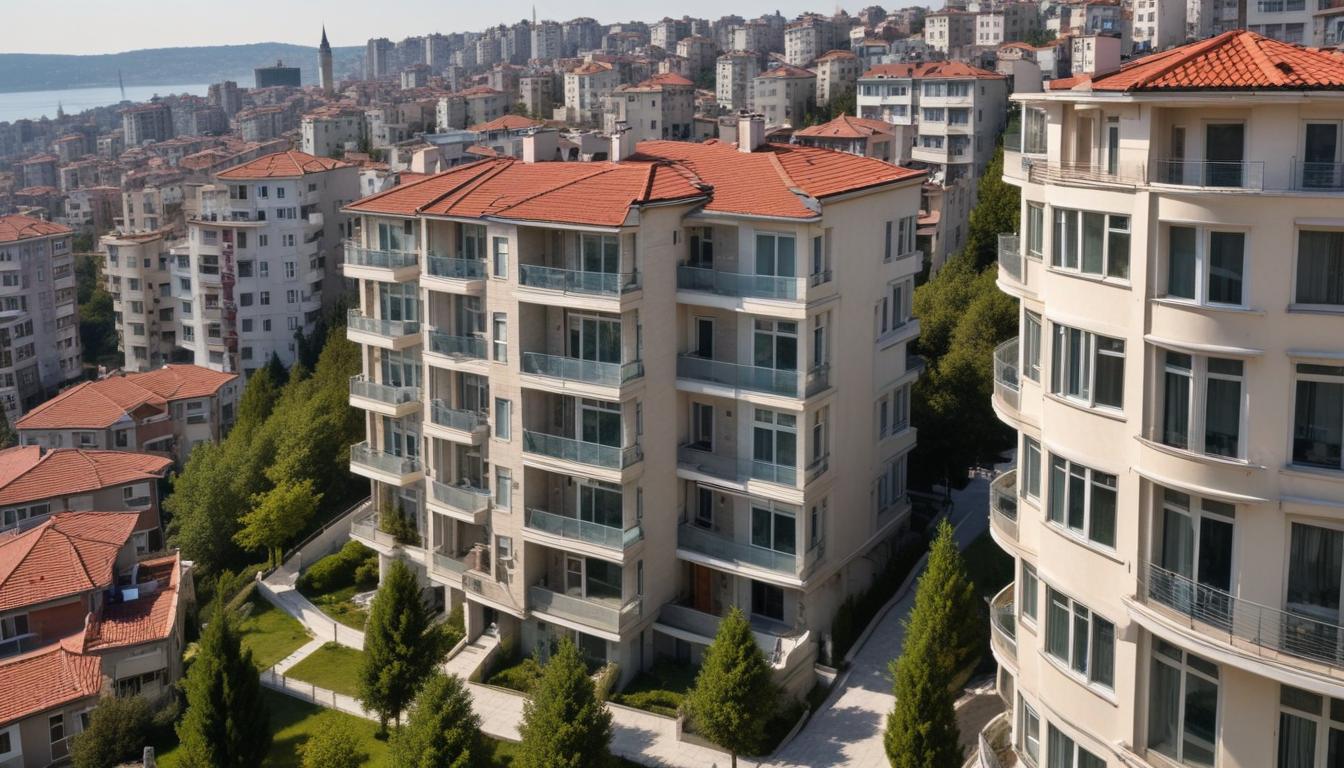
In Besiktas and Beyoglu, where monthly rents for a two-bedroom apartment now routinely exceed $1,500, landlords report longer turnovers between tenants, suggesting a tightening at the luxury end. Conversely, mid-range neighbourhoods like Sisli and increasingly Kadikoy on the Asian side are experiencing brisk activity, with furnished one-bedroom units moving within days of listing. The citizenship-by-investment programmes continue channelling foreign capital into acquisition, yet many of these properties sit dark while investors await appreciation rather than rental returns.
For tenants, the picture is decidedly mixed. First-time renters in Sisli and around Osmanbey Avenue report competitive bidding scenarios—landlords demanding six months' deposit, references from previous landlords, and proof of income. Meanwhile, longer-term renters in stabilised neighbourhoods like Kadikoy's Moda district, near the waterfront venues and Fenerbahce Stadium, enjoy relative negotiating power. Lease renewals there often see single-digit percentage increases, a far cry from the double-digit hikes common in 2024.
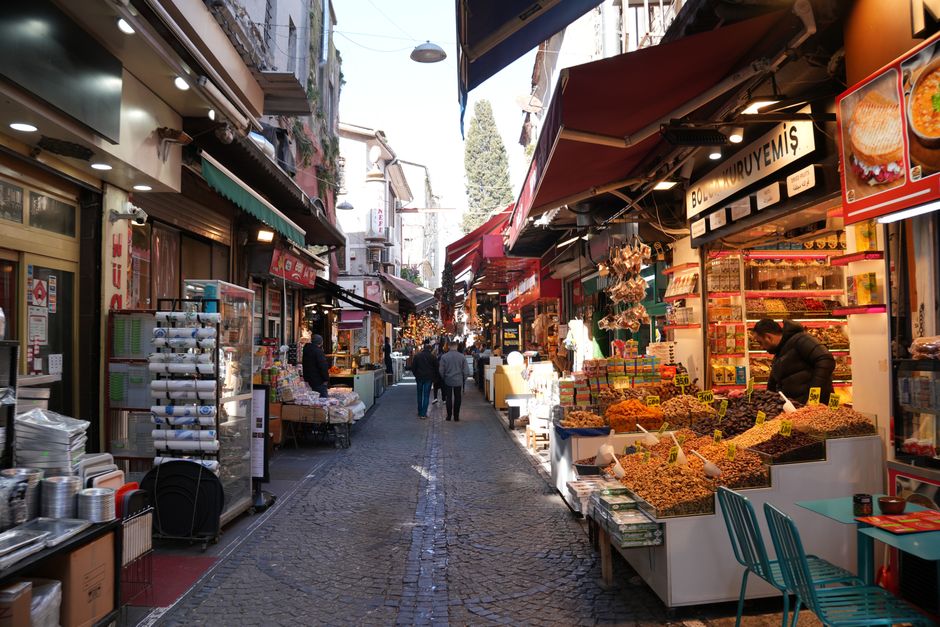
What has shifted most dramatically is tenant mobility. The proliferation of short-term furnished units—driven partly by the vacation rental boom around the Golden Horn—has fragmented the traditional long-term rental pool. Young professionals and remote workers increasingly favour flexibility over permanence, creating a two-tier system: premium, transient housing in tourist-adjacent areas, and stable, community-oriented rentals in working neighbourhoods.
Landlords face their own pressures. Regulatory tightening around tenant protections has extended dispute resolution timelines, making evictions costlier and slower. Several property management firms report that owners in secondary locations—Beyazit, Fatih—are reconsidering buy-to-let strategies, opting instead to hold land speculatively or convert properties to short-term lettings with higher turnover but greater vacancy risk.
The emerging consensus among Istanbul's rental sector: markets are bifurcating. Trophy properties in Besiktas command premiums and attract institutional interest. Mid-market rentals in Sisli and Kadikoy offer stability and reliable yields. Everything else faces headwinds. For tenants, this means opportunity exists—but location and timing matter more than ever.
This article was compiled by AI from the sources linked above and screened before publishing. See our editorial standards.