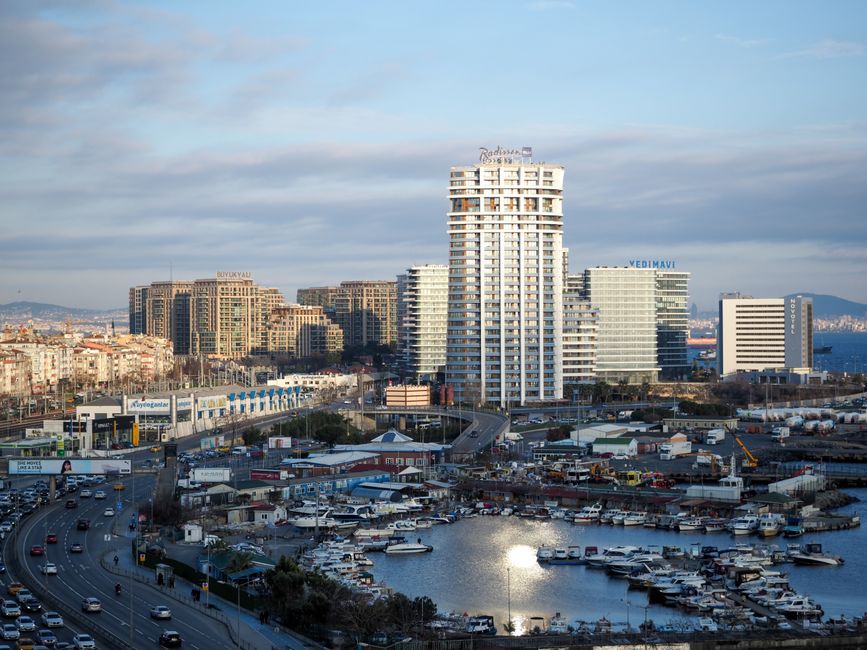
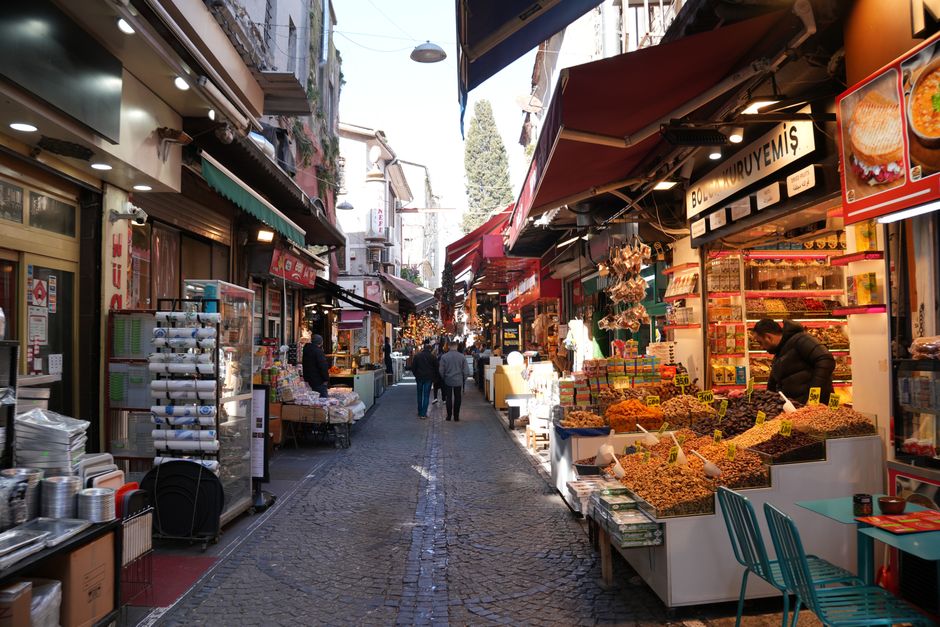
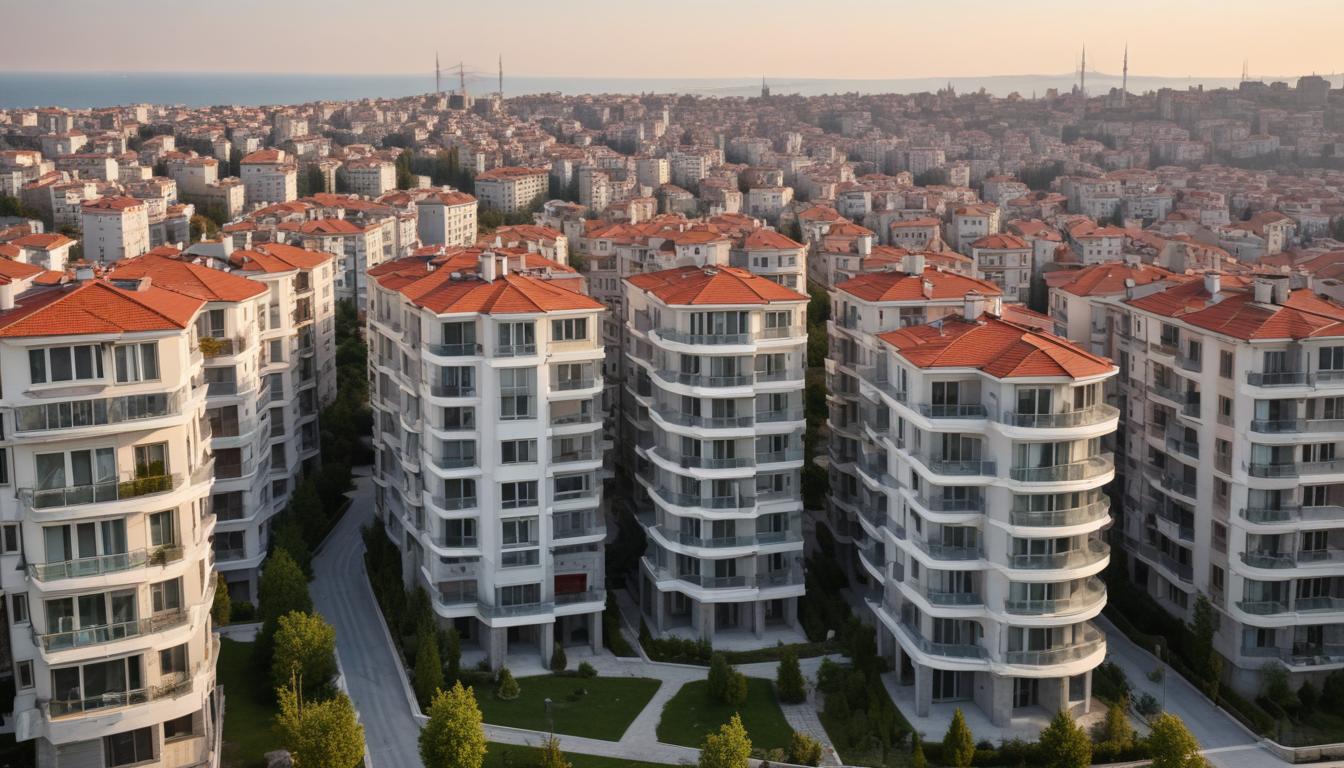
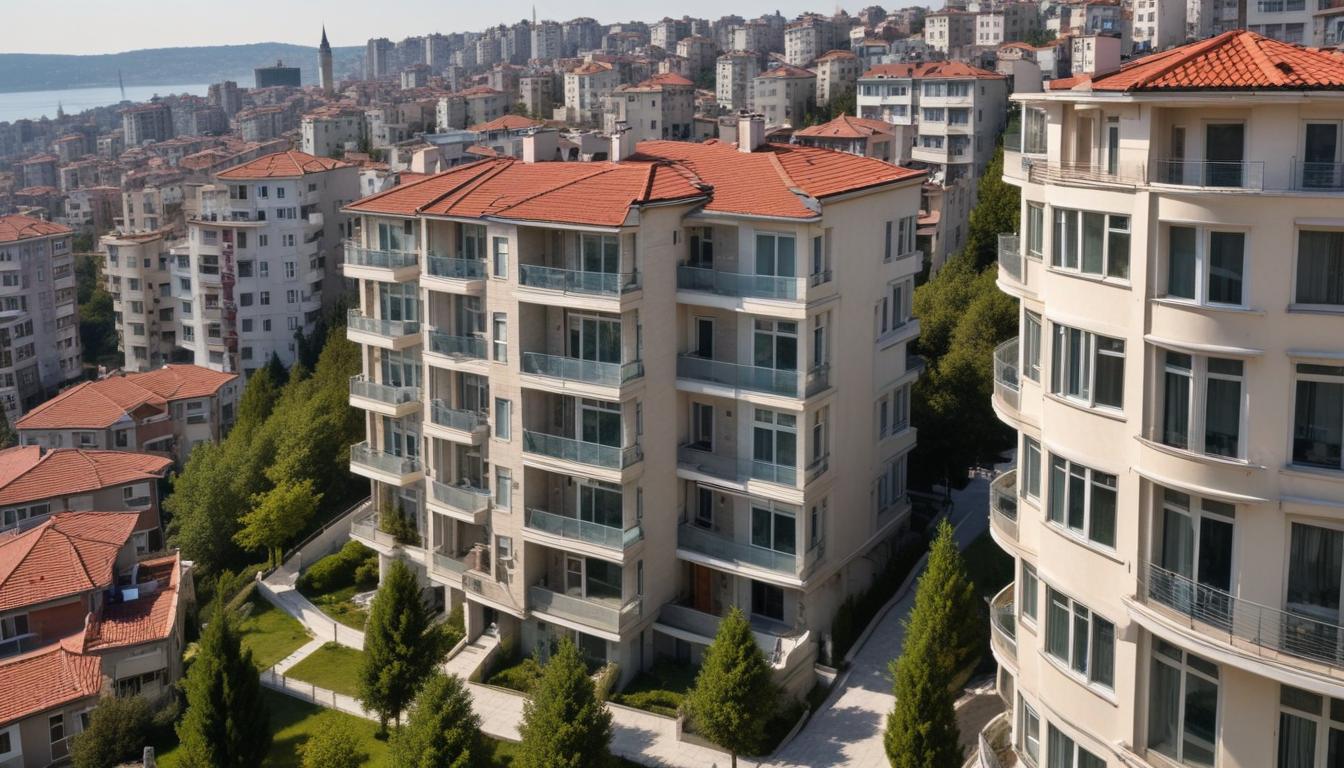
Istanbul's luxury property sector, long accustomed to predictable investment patterns, is experiencing a significant recalibration following the Istanbul Metropolitan Municipality's revised zoning regulations announced in early 2026. The sweeping planning changes, which affect building heights, density coefficients, and preservation zones across premium neighbourhoods, have already reshaped where Turkey's wealthiest buyers and international investors are placing their capital.
The most visible impact surrounds Sisli, where new restrictions on floor-area ratios have prompted developers to pivot from mid-rise residential clusters toward ultra-luxury boutique projects. Properties along Cumhuriyet Caddesi, traditionally priced between $4,500–$6,800 per square metre, have seen increased competition as developers compress their plans into architecturally ambitious single or dual-tower developments. A 450-square-metre penthouse near Taksim recently traded at $3.2 million—a 12% premium over comparable units just eighteen months ago—reflecting investor appetite for compliant, newly approved designs.
Besiktas and Beyoglu have experienced opposite pressures. Heritage preservation mandates introduced in March 2026 have made waterfront renovations costlier and slower, yet paradoxically strengthened prices for already-approved luxury conversions. Restored Ottoman mansions overlooking the Bosphorus in Ortakoy now command $8,500–$10,200 per square metre, compared to the broader Istanbul average of $2,500. Buyers increasingly accept longer development timelines to secure planning certainty.
The policy shift has also accelerated interest in Kadikoy on the Asian side, where zoning changes have been less restrictive. Foreign investors holding Turkish citizenship through the investment programme have begun diversifying their portfolios eastward, targeting new-build luxury residential complexes near Bahariye Caddesi. Market analysts report a 23% year-on-year increase in non-Turkish buyer inquiries for Kadikoy premium properties.
Real estate consultancies report mixed sentiment among major developers. While compliance costs have risen, regulatory clarity has reduced speculative buying and brought more institutional capital into the market. Banks are now more willing to finance projects with explicit municipal approvals, lowering borrowing costs for developers and supporting price stability.
The lesson is clear: Istanbul's luxury market is no longer a free-for-all. Policy now dictates geography as much as prestige does. Investors who understand the updated zoning landscape—and can navigate the municipality's approval processes—are positioning themselves to capture outsized returns. For others, the era of assumption-based purchasing has ended.
This article was compiled by AI from the sources linked above and screened before publishing. See our editorial standards.