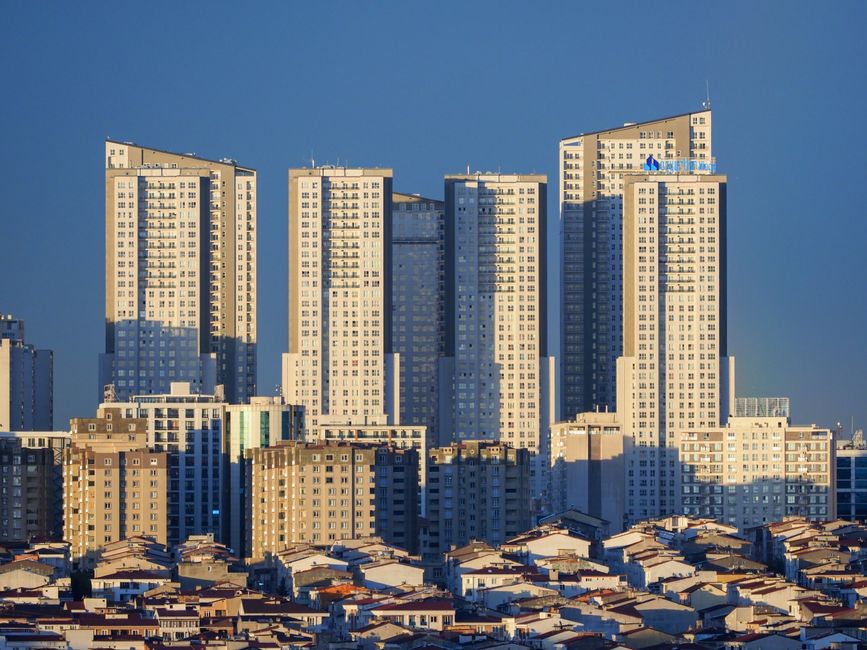
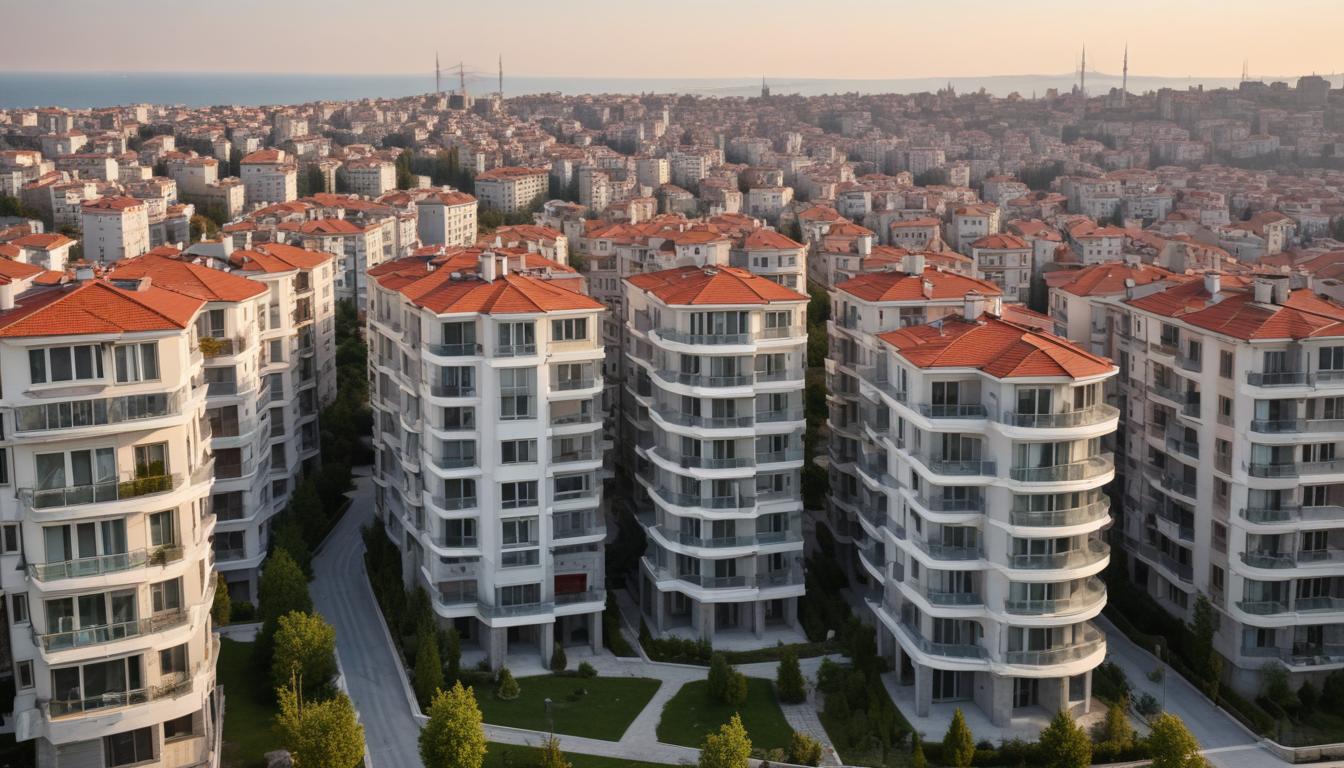
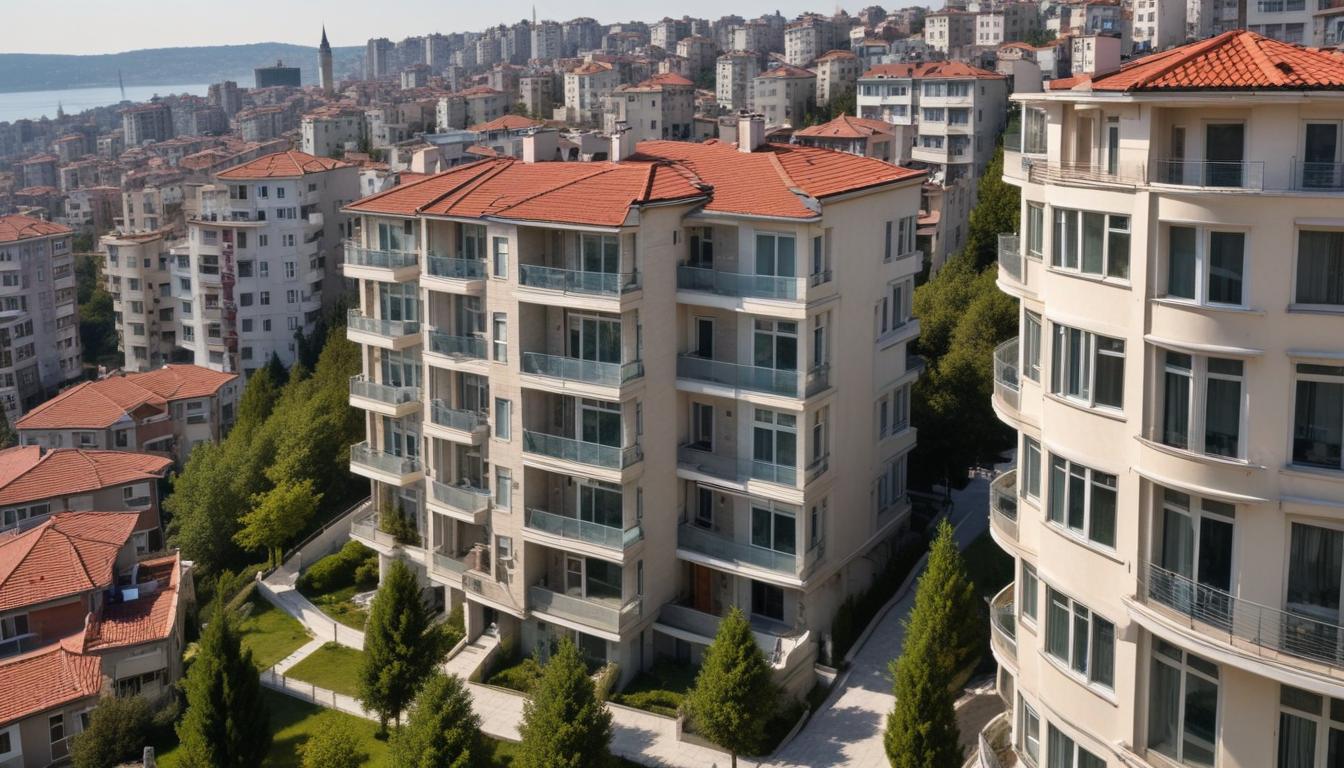
Istanbul's property market has entered a new phase of complexity. While headlines focus on luxury penthouses in Besiktas and waterfront developments along the Bosphorus, an equally significant story is unfolding in neighbourhoods like Sisli, Kadikoy, and Bagcilar, where first-time buyers and middle-income families are finding fewer options at prices they can afford.
The data tells a stark picture. At an average of $2,500 per square metre across the city, properties in premium zones such as Beyoglu now exceed $4,000/sqm, while even secondary neighbourhoods are climbing steadily. A modest two-bedroom apartment in Sisli—once considered relatively accessible—now routinely commands $350,000 to $450,000. Yet wages have not kept pace. This mismatch is the core driver reshaping who can afford to live where.
Several forces are converging. Citizenship-by-investment programmes have flooded the market with foreign capital, particularly from Gulf states and Central Asia. Developers increasingly target this lucrative segment, leaving fewer mid-range projects. Supply-side constraints matter too: land availability in desirable districts remains tight, and zoning restrictions limit new residential projects in established neighbourhoods like Kadikoy on the Asian side, where demand remains high despite rising prices.
Currency volatility amplifies the problem. Many developers price in dollars, protecting themselves against lira fluctuations but passing costs to local buyers. Additionally, informal rental markets and short-term tourism lets (driven by platforms capitalizing on Istanbul's appeal to international visitors) have removed thousands of residential units from long-term rental stock, forcing more families toward purchase rather than rental pathways they might otherwise prefer.
For buyers entering the market now, timing and location strategy are critical. Neighbourhoods like Bagcilar and Gaziosmanpasa on the European side, while less glamorous than central districts, remain comparatively affordable at $1,500–$2,000/sqm and benefit from improving transport links. Crossing to the Asian side—particularly emerging areas around Maltepe or Pendik—can yield better value, though commute times to central employment hubs matter.
Recent policy discussions around social housing have gained urgency. Advocacy groups and municipal leaders recognize that without intervention, Istanbul risks pricing out its workforce. Several municipalities have initiated affordable housing programmes, though scale remains modest relative to need.
The lesson for buyers: understand whether you're purchasing for long-term residence or investment. For residents, proximity to employment and transport matters more than speculation potential. For investors, secondary neighbourhoods with infrastructure development pipelines may offer better returns than already-saturated premium zones. Above all, act with currency and interest-rate awareness—Istanbul's housing market is increasingly global, and local purchasing power depends on factors beyond the city itself.
This article was compiled by AI from the sources linked above and screened before publishing. See our editorial standards.