Istanbul's property market has entered a new phase. With average prices hovering around $2,500 per square metre citywide, seasoned investors are watching yields compress in premium zones while emerging opportunities emerge in unexpected quarters. Understanding what's fuelling this shift is essential for anyone considering a purchase today.
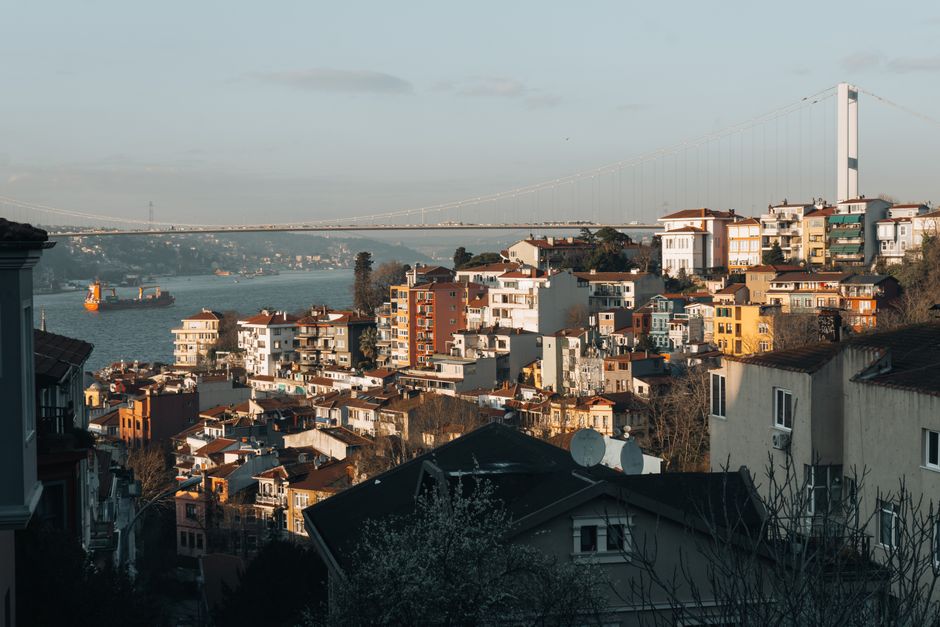
The citizenship-by-investment pathway remains the primary engine. Foreign buyers—particularly from the Gulf, Central Asia, and Europe—continue to view Istanbul real estate as both a gateway to Turkey and a hard asset in uncertain times. This has kept pressure on headline prices in established strongholds like Besiktaş and Beyoğlu, where waterfront apartments and restored period buildings command premiums that stretch yields thin for pure rental investors.
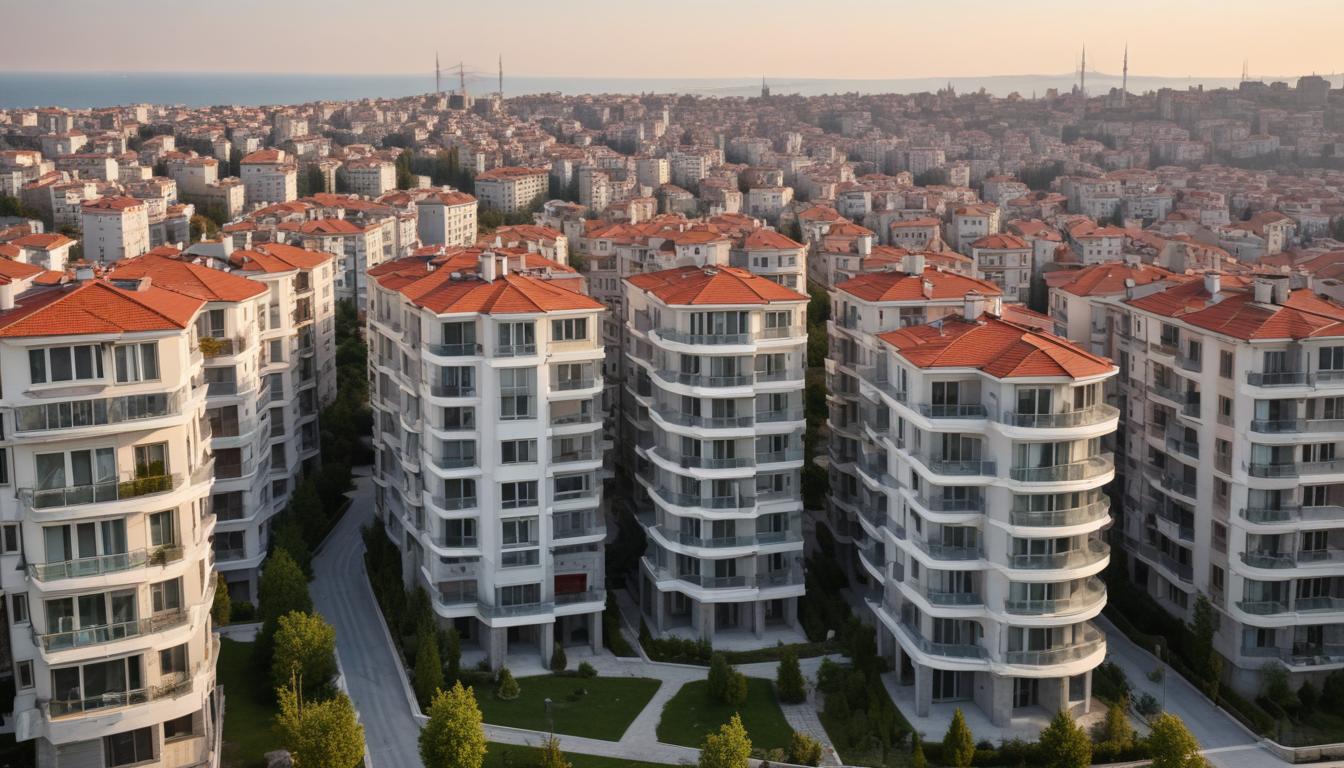
But the story is more nuanced. Şişli, once overlooked, is experiencing genuine momentum. New metro connectivity, the revival of Abide-i Hürriyet Avenue, and proximity to corporate hubs around Maslak have attracted both owner-occupiers and yield-focused landlords. A modest two-bedroom apartment here might yield 4–5 per cent annually—meaningful in today's low-rate environment—compared to 2.5–3 per cent across Beyoğlu's premium listings.
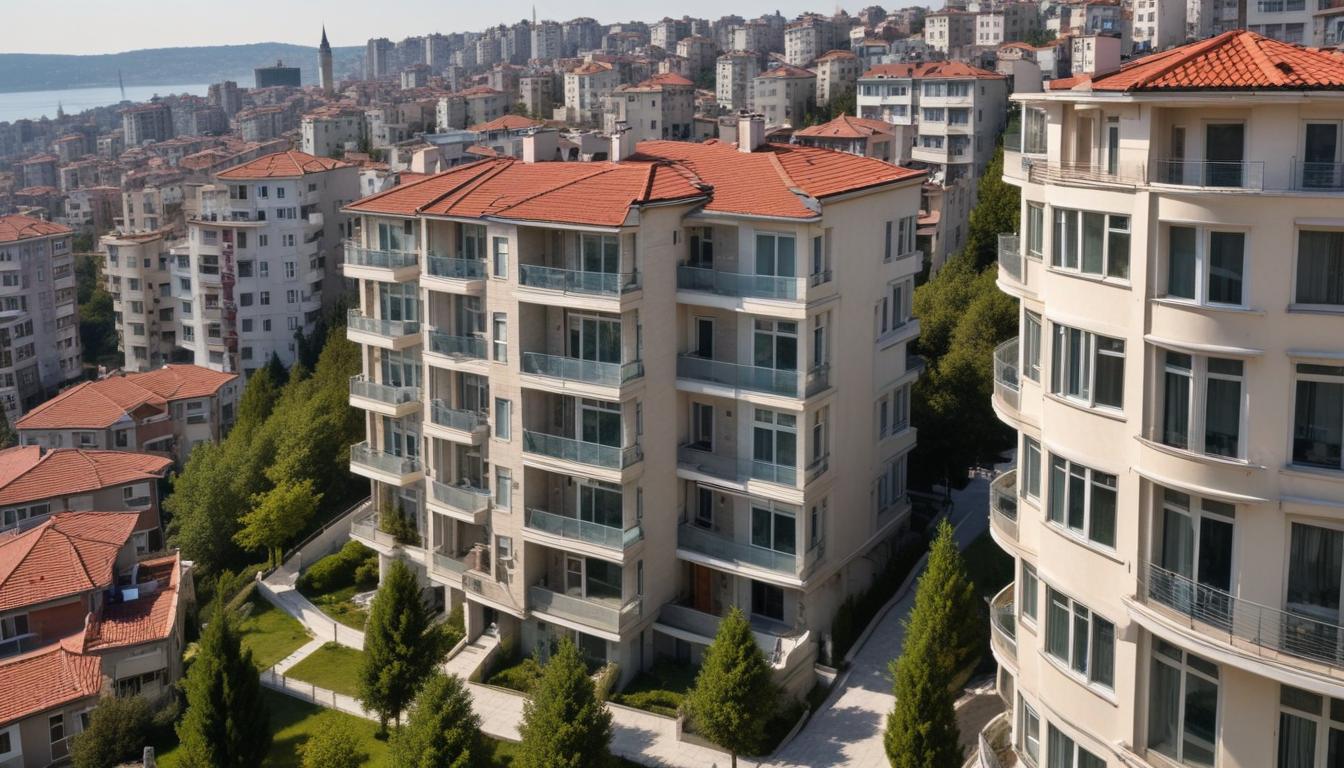
The Asian side tells another story. Kadıköy remains popular, but price appreciation has outpaced rental growth. Smart money is exploring secondary neighbourhoods like Maltepe and Pendik, where proximity to transport links and growing commercial activity are beginning to attract younger professionals and families seeking better value.
What buyers need to know: first, understand your end game. If citizenship or capital appreciation drives your decision, accept lower yields. If you're building a rental portfolio, look beyond the postcard neighbourhoods. Second, currency hedging matters. Most international buyers think in dollars; rental income typically comes in lira. Exchange volatility can erase margin.
Third, regulations are tightening. Local authorities are increasingly monitoring short-term rental platforms—Airbnb-style operations face scrutiny in residential buildings. Long-term lease agreements with professional tenants or corporate housing platforms offer stability that viral marketing cannot.
Finally, infrastructure projects deserve attention. The ongoing development around Eyüpsultan and completion of transport links to outer European-side neighbourhoods like Arnavutköy will reshape demand patterns over the next three years. Early positioning in these zones requires patience but could reward long-term holders.
The market hasn't peaked, but the low-hanging fruit has been picked. Success now demands granular local knowledge, realistic yield expectations, and clarity about whether you're investing for appreciation or income. In Istanbul's accelerating market, the difference between these strategies determines winners and losers.
This article was compiled by AI from the sources linked above and screened before publishing. See our editorial standards.