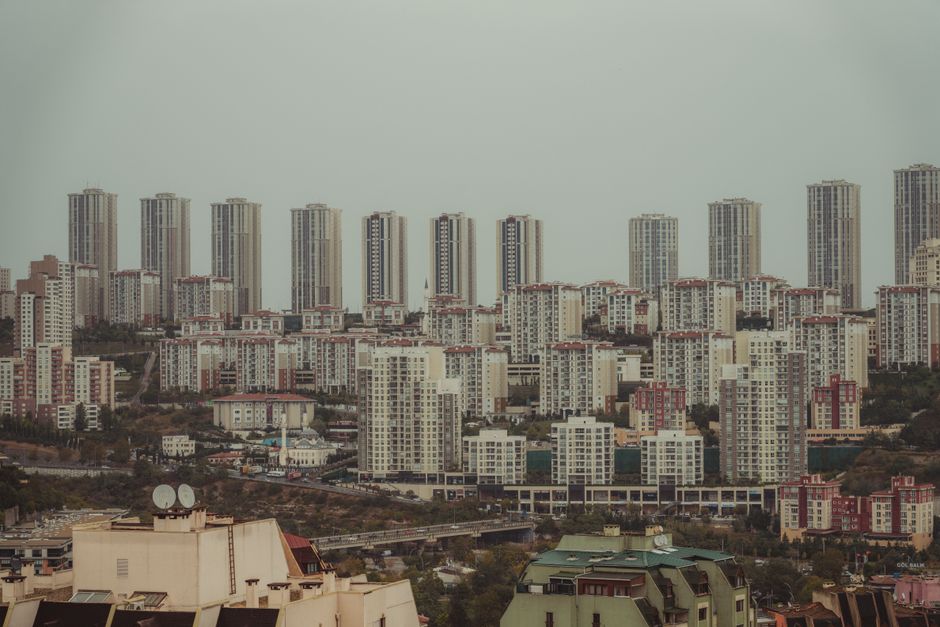
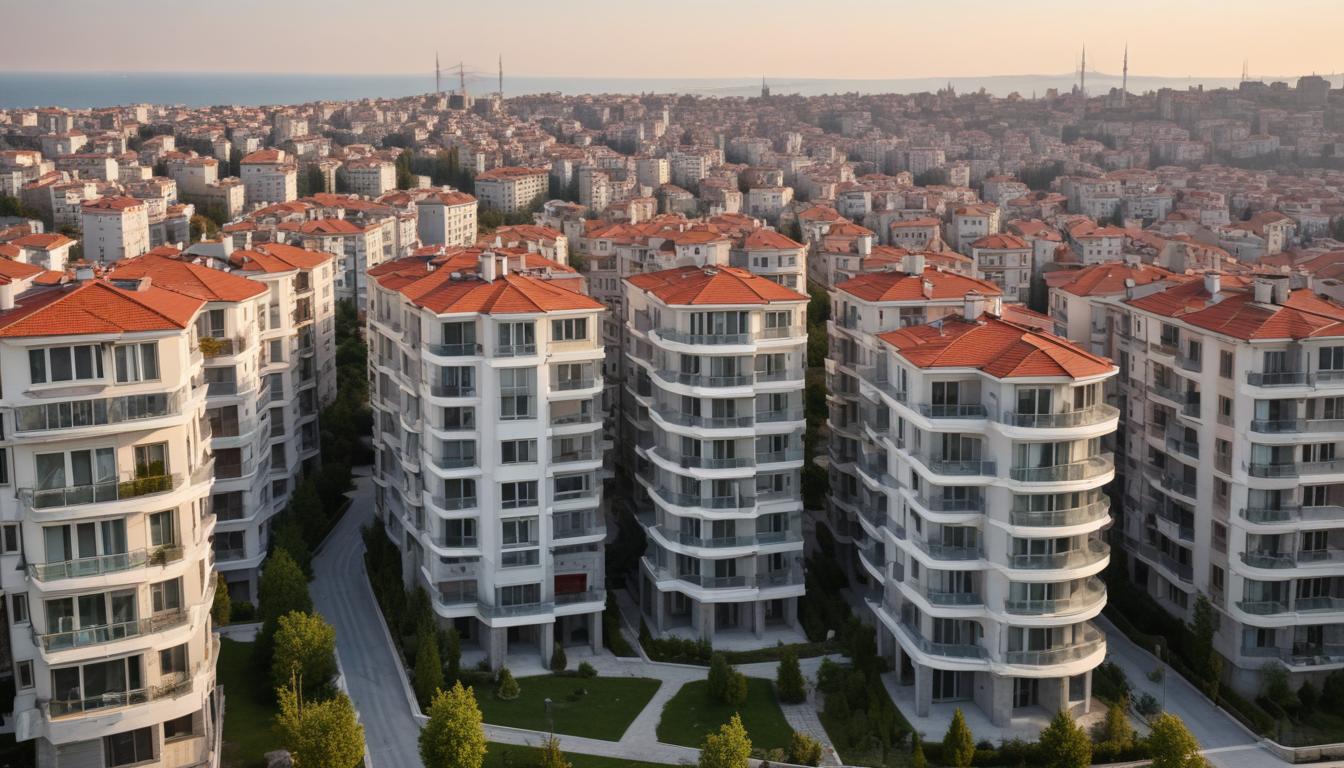
For years, Istanbul's property conversation has centred on Besiktas waterfront penthouses and Beyoglu's bohemian charm. But a subtle shift is reshaping the city's first-time buyer landscape, and it's happening in Sisli—a neighbourhood that's quietly becoming the smart money's playground.
At approximately USD 2,800–3,200 per square metre, Sisli sits comfortably above the city average of USD 2,500/sqm, yet remains significantly cheaper than Besiktas's USD 5,000+ premiums. For first-time buyers navigating Turkey's mortgage landscape, this sweet spot matters enormously. The neighbourhood's transformation—driven by proximity to Taksim, established metro connectivity, and ongoing commercial development—has triggered renewed institutional attention without the speculative frenzy that's priced out younger investors elsewhere.
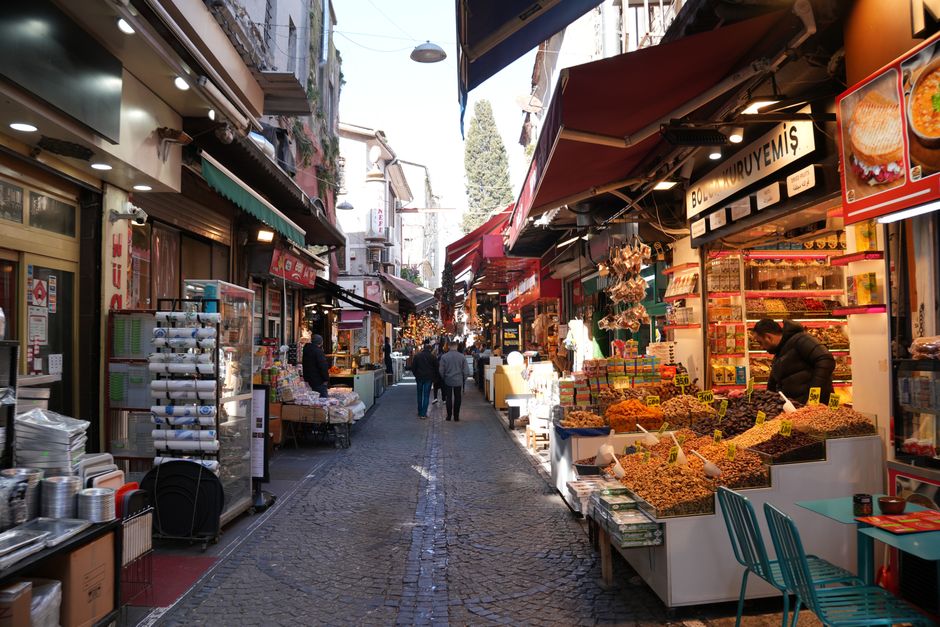
Cumhuriyet Caddesi, Sisli's main artery, anchors the appeal. This tree-lined avenue hosts everything from independent cafes to established retailers, creating the mixed-use vitality that international investors increasingly demand. Nearby Halaskargazi Street, historically commercial, is experiencing residential densification, with several mid-rise projects targeting exactly this demographic: salaried professionals aged 28–40 seeking their first owned property.
Financing headwinds remain real. Turkish banks typically require 20–30% down payments, and mortgage terms cap at 15 years for USD-denominated loans. However, first-time buyer schemes—administered through Turkey's state-backed Halkbank and Vakifbank—offer marginally improved terms for properties under USD 350,000. A USD 250,000 two-bedroom in Sisli now qualifies for these preferential rates, whereas similar Beyoglu stock sits well above threshold.
Foreign citizenship-by-investment demand, already reshaping coastal markets, hasn't yet saturated Sisli's residential stock. This creates a unique window: neighbourhood appreciation without the price acceleration that citizenship capital typically triggers. Real estate analysts tracking 2024–2025 sales data suggest Sisli saw 18% annual growth—outpacing broader Istanbul averages—yet remaining anchored to fundamentals rather than speculative inflows.
Smart first-time buyers are also recognising infrastructure arbitrage. The proposed Sisli-Fatih metro extension, currently in planning phases, could unlock secondary growth areas like the quieter Nispetiye Caddesi corridor, where comparable stock runs 12–15% cheaper than central Sisli.
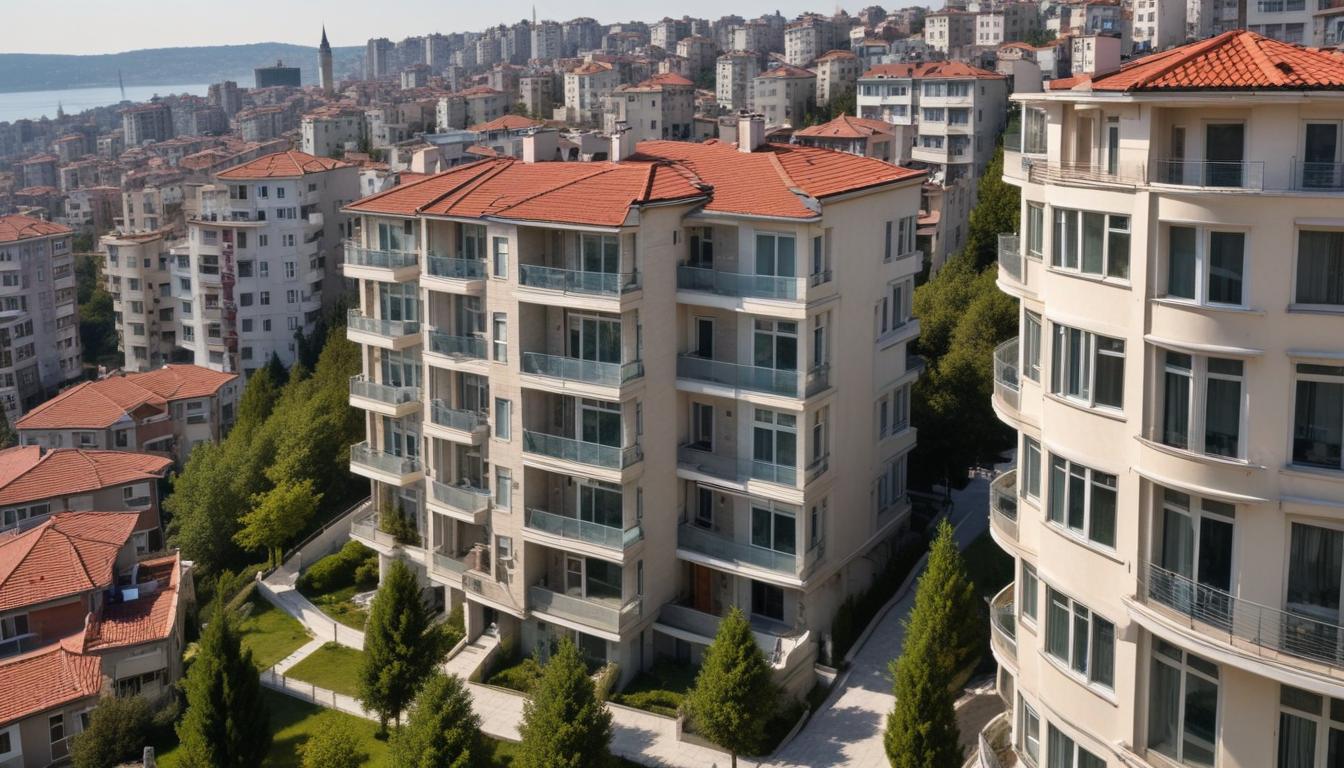
The neighbourhood isn't perfect. Noise from constant development, limited green space compared to Asian-side alternatives like Kadikoy, and older building stock requiring renovation assessment remain legitimate considerations. But for first-home purchasers balancing ambition with financial reality, Sisli represents exactly what the market needs: accessible entry into an established, improving neighbourhood with genuine upside, not hype.
This article was compiled by AI from the sources linked above and screened before publishing. See our editorial standards.